
Table of Contents
Why Cuenca Is a Top Choice for Dental Tourism
Cuenca, Ecuador, has become a popular destination for travelers seeking high-quality dental care at a lower cost than in North America and parts of Europe. With a compact historic center, experienced clinicians, and modern dental clinics clustered near the city core, Cuenca offers a combination of convenience and culture that makes a dental trip surprisingly pleasant.
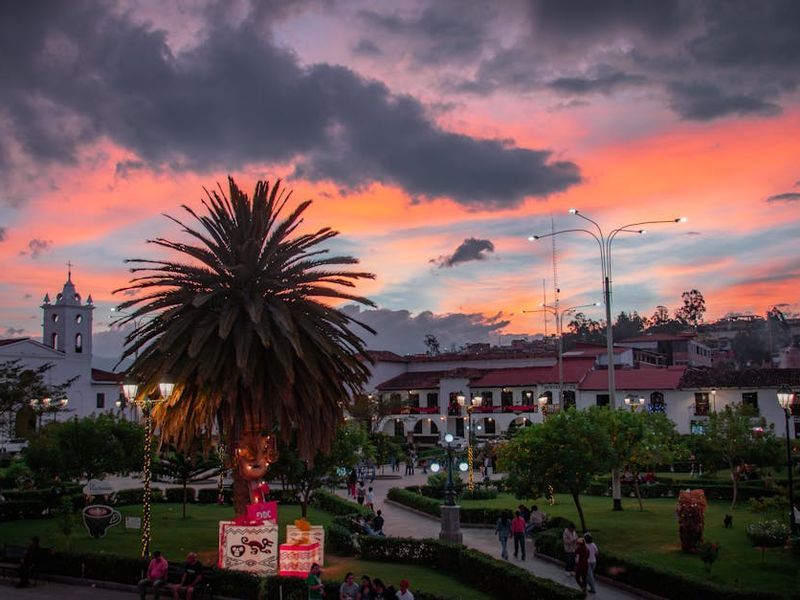
Beyond cost savings, many patients are attracted to Cuenca’s walkable colonial streets, comfortable year-round climate, and easy access via Mariscal Lamar International Airport (CUE). Add in Ecuador’s use of the US dollar, a helpful factor for budgeting, and you can see why this city is on the map for dental travelers.
Types of Dental Treatments People Travel for
Cuenca clinics commonly provide a wide range of treatments, and understanding which procedures suit a short trip versus a multi-stage plan will shape how long you should stay.
- Routine care: cleanings, fillings and root canals—usually same-day or short visits.
- Cosmetic dentistry: veneers, crowns and teeth whitening—often completed in 1–2 visits spread over 1–2 weeks.
- Implants and bone grafting: can be done as single-stage (immediate load) or staged treatments that require months between visits.
- Full-mouth restorations: complex cases that will require detailed planning, labs and possible multiple trips.
How to Choose a Clinic: Credentials, Tech, and Trust
Selecting the right clinic is the most important step. Look beyond price and focus on quality and communication. Consider these practical checks:
- Ask for the dentist’s license and educational background; request full names and credentials and verify them when possible.
- Request before-and-after photos of similar cases and ask for references from previous international patients.
- Confirm the clinic uses modern imaging (digital X-rays, CBCT) and high-quality materials, and ask what dental implant and crown brands they use.
- Check online reviews on Google, Facebook, and dental travel forums. Be wary of clinics with no verifiable presence or only five-star reviews that seem canned.
- Look for clinics with English-speaking coordinators who can manage logistics like airport pickup, appointments, and follow-ups.
Planning Your Timeline: Avoid Rushed Treatments
One of the most common mistakes travelers make is trying to cram complex dental work into an overly short trip. A realistic timeline reduces stress and improves outcomes:
- If you need crowns or veneers, plan for at least one to two weeks. Labs may need multiple days for precision work.
- For implants, understand the clinic’s protocol: immediate-load implants can sometimes be done in 1–2 weeks, but traditional protocols often require three to six months for osseointegration—meaning either temporary teeth will be delivered in Cuenca or you’ll return later for final restorations.
- Schedule a tele-consultation before you travel. Many clinics will provide a preliminary treatment plan and cost estimate after reviewing photos and dental records.
Budgeting Wisely: What to Ask For
Price is a major motivator, but a low quote without details can lead to surprises. Ask clinics for a written, itemized estimate and read it carefully:
- Request line-item pricing for diagnostics, the procedure, materials (types of crowns, implant brands), lab fees, and follow-up visits.
- Ask about additional costs: local anesthesia vs. IV sedation, CBCT scans, medications, and aftercare kits.
- Discuss warranties and what happens if a restoration fails—who pays for adjustments or replacements, and for how long.
- Factor in travel costs: airfare to CUE, airport transfers, hotels, meals, local transport, and any sightseeing you plan to do while recovering.
Practical Travel Logistics for a Smooth Visit
Small logistical details can make a big difference in your recovery and overall experience.
- Cuenca’s airport (Mariscal Lamar International) is small and convenient; let your clinic arrange pickup if possible to avoid language barriers upon arrival.
- Choose accommodation close to the historic center (Parque Calderón) if you like walking to restaurants and cafes. Many clinics are within a short taxi ride of central neighborhoods.
- Remember Cuenca sits at about 2,500–2,600 meters elevation—altitude can affect anesthesia and healing. Discuss any respiratory or cardiac conditions with your dentist and your physician before travel.
- Bring copies of your medical history, allergy list and any recent dental X-rays. Digital files sent ahead allow clinics to prepare efficiently.
Recovery Tips: What to Expect and How to Heal Faster
Post-op care will vary by procedure, but these universal tips help you recover comfortably in Cuenca:
- Plan for at least 48–72 hours of reduced activity after surgeries like implants. Avoid high-altitude hikes or strenuous walking that could increase swelling or bleeding.
- Stock up on soft, nutritious foods. Cuenca has excellent markets and restaurants—look for soups like locro de papa, soft rice dishes, avocado, and plantain-based options that are gentle after dental work.
- Keep a list of nearby pharmacies and emergency services. Antibiotics and pain relievers are widely available but bring prescriptions if you’re concerned about language or availability.
- Use ice packs, sleep propped on pillows for the first nights after oral surgery, and follow all post-op instructions closely—especially about rinsing, smoking, and alcohol use.
Combining Dental Work with Tourism: Smart Sightseeing
Cuenca isn’t just a place to get dental work—it’s a UNESCO World Heritage city with plenty to explore while you rest between appointments.
- Take short, low-effort activities during healing days: stroll along the Tomebamba River, visit Pumapungo Museum and ruins, and relax in cafés near Parque Calderón.
- Save more strenuous outings—like a full day in Cajas National Park—until after any major procedures have healed. Cajas is beautiful but can be physically demanding at high altitude.
- Consider a cultural day trip to artisan towns like Chordeleg (jewelry) and Gualaceo (textiles) if you want a relaxed experience away from the city.
- Enjoy local cuisine, but choose gentle options during recovery. Cuenca’s markets are great places to try fresh, soft foods that help healing.
Follow-Up Care and Coordinating with Your Home Dentist
Good communication with both your Cuenca dentist and your regular dentist at home ensures a smooth long-term result.
- Ask the Cuenca clinic for detailed treatment notes, digital records and lab prescriptions to send to your home dentist.
- Confirm who will handle any adjustments after you return—if a crown needs tweaking or an implant requires attention, what’s the clinic’s policy for follow-up and costs?
- Schedule a check-up with your local dentist within 4–8 weeks after returning home for continuity of care.
Safety, Insurance, and Emergency Preparedness
Safety should be front of mind. While complications are uncommon, being prepared reduces stress.
- Check whether your travel insurance covers dental procedures and potential complications; many policies exclude routine dental treatment but may cover emergency care.
- Some clinics offer limited post-procedure coverage for a set period—get the terms in writing and understand any exclusions.
- Know where the nearest hospital or emergency dental facility is located, and ensure the clinic has emergency protocols and contacts.
Smart Communication: Questions to Ask Before You Book
Before you commit, ask clear, specific questions. Here are essentials to include in your initial conversations:
- What are the dentist’s qualifications and how long have they practiced?
- Can you provide a detailed written treatment plan and timeline?
- Which implant systems, crown materials and dental labs do you use?
- Do you provide pre-op and post-op instructions in English?
- Are there photos of similar cases and contactable patient references?
- What are the exact costs, and what is included versus extra?
Final Checklist Before You Travel
Use this checklist to make your visit efficient and stress-free:
- Obtain a pre-op tele-consult and written estimate.
- Get clearance from your physician if you have chronic conditions or take medications that affect dental surgery.
- Pack necessary medical documents, recent X-rays, and a list of medications.
- Reserve lodging near the clinic for convenience after procedures.
- Plan several quiet days for recovery and book any sightseeing accordingly.
- Confirm pickup details and emergency contact numbers with your clinic.
Conclusion: Make Your Dental Vacation Productive and Enjoyable
A dental trip to Cuenca can blend excellent care with an enjoyable travel experience if you plan thoughtfully. Prioritize clinic verification, realistic timelines, clear communication and sensible recovery planning. With careful preparation you can save money, receive quality treatment, and return home with a healthier smile — and some wonderful memories of one of Ecuador’s most charming cities.
Adam Elliot Altholtz serves as the Administrator & Patient Coordinator of the “Smilehealth Ecuador Dental Clinic“, along with his fellow Expats’ beloved ‘Dr. No Pain‘, right here in Cuenca, Ecuador, and for purposes of discussing all your Dental needs and questions, is available virtually 24/7 on all 365 days of the year, including holidays. Adam proudly responds to ALL Expat patients from at least 7:00am to 9:00pm Ecuador time, again every single day of the year (and once more even on holidays), when you write to him by email at info@smilehealthecuador.com and also by inquiry submitted on the Dental Clinic’s fully detailed website of www.smilehealthecuador.com for you to visit any time, by day or night. Plus, you can reach Adam directly by WhatsApp at +593 98 392 9606 -or by his US phone number of 1‐(941)‐227‐0114, and the Dental Clinic’s Ecuador phone number for local Expats residing in Cuenca is 07‐410‐8745. ALWAYS, you will receive your full Dental Service in English (NEVER in Spanish), per you as an Expat either living in or desiring to visit Cuenca by your Dental Vacation, plus also to enjoy all of Ecuador’s wonders that are just waiting for you to come arouse and delight your senses.