
Table of Contents
Introduction: Dental Tourism Meets a Perfect Recovery Destination
If you’re weighing where to get dental implants, crowns or veneers without paying North American prices and long wait times, Cuenca, Ecuador should be at the top of your list. This charming Andean city combines highly trained dentists, modern clinics with cutting-edge technology, dramatic cost savings, and a calm, beautiful environment ideal for recovery. In short: it’s not just dental care — it’s a dental vacation.
Why Cuenca Is Ideal for Dental Tourism
Cuenca’s advantages for dental travelers are practical and powerful. Expect savings of 60–70% compared to U.S. and Canadian prices, short appointment wait times, and personalized one-on-one care that large clinics at home rarely provide. Add reliable use of international implant systems, digital diagnostics (CBCT scans, CAD/CAM milling) and skilled lab technicians — and you get world-class outcomes without the world-class bill.
Massive Cost Savings Without Cutting Corners
Typical price comparisons are eye-opening. In the U.S. or Canada a single dental implant can easily cost $3,000–$6,000; in Cuenca comparable implants often range from roughly $800–$1,500. Crowns that cost $800–$1,500 north of the border commonly run $250–$500 in Cuenca, and veneers can be 60–70% cheaper as well. These are approximate ranges and depend on materials and complexity, but the overall message is clear: you can achieve excellent dentistry for a fraction of the price.
World-Class Training and Clinic Standards
Many Cuenca dentists trained at Ecuador’s top dental schools and pursued postgraduate work abroad, giving them a blend of local expertise and international techniques. Clinics in the city invest in modern sterilization, CBCT 3D imaging, digital impressions, and in-house labs with CAD/CAM milling and zirconia fabrication. That means fewer lab delays, more consistent restorations, and the ability to offer implant brands and prosthetics trusted globally.
How the Dental Vacation Works: Typical Timelines & Procedures
Understanding the typical timeline helps you plan. Procedures vary by patient and treatment plan, but here are common scenarios:
- Veneers or crowns: Many cases can be completed in 7–10 days when clinics use digital impressions and have on-site labs — ideal for combining with a week-long vacation.
- Single implants (with staged healing): Implant placement is often done in one trip, followed by a healing period of 3–4 months for osseointegration before the crown is attached; many patients schedule the restorative crown on a shorter return visit or coordinate with their local dentist.
- Immediate-load implants: Some practices offer same-day temporaries and final restorations in 7–14 days when conditions allow, using digital workflows and in-house labs.
Clinics are experienced at tailoring treatment for travelers: preoperative consults can be done via video, records reviewed in advance, and a clear timeline and quote provided so you know what to expect before you book flights.
Travel Logistics: Getting to Cuenca and Moving Around
Most international visitors connect through Quito (UIO) or Guayaquil (GYE) and take a short domestic flight to Mariscal La Mar International Airport (CUE), which is about 20–30 minutes from Cuenca’s historic center. Alternately, a scenic 3–4 hour bus ride from Guayaquil or a 6–7 hour trip from Quito is popular for travelers who prefer ground transport.
Where to Stay
Cuenca offers accommodation options for every budget: boutique hotels and bed-and-breakfasts around Parque Calderón, modern serviced apartments with kitchens (handy for soft-food recovery), and quieter neighborhoods like San Sebastián for restful evenings. Many clinics provide transportation from the airport and can arrange hotel bookings for patients seeking convenience and peace of mind.
Practical Travel Tips
- Bring all dental records and recent X-rays (if available). Many clinics will request these before finalizing treatment plans.
- Carry prescription details and a list of medications — clinics will want to know if you’re on blood thinners or other drugs that affect healing.
- Account for altitude: Cuenca sits at about 2,560 meters (8,400 ft). Most people are fine, but take it easy on arrival and hydrate well — this is particularly important before and after procedures involving sedation.
- Check visa requirements — many nationalities receive a 90-day tourist entry, and Ecuador uses the U.S. dollar, simplifying payments.
Healing in Cuenca: A Recovery Setting That’s Hard to Beat
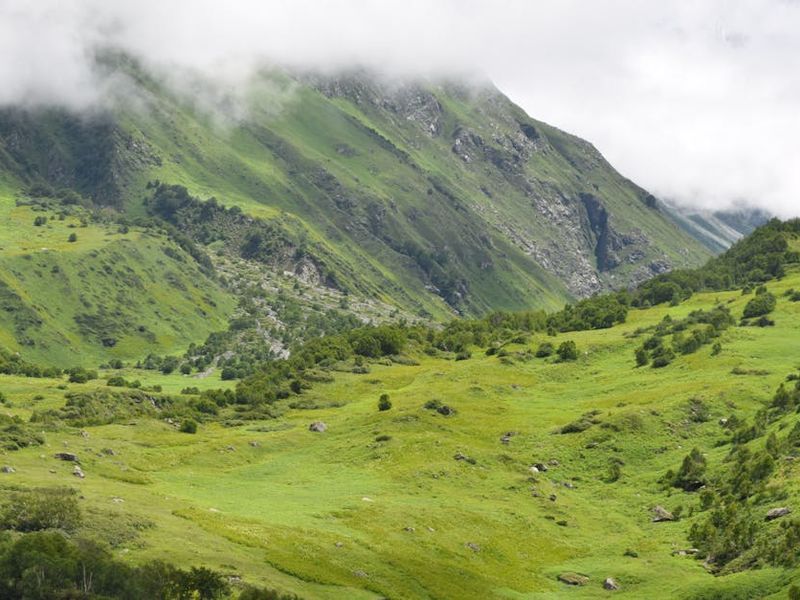
One big, often-overlooked benefit of choosing Cuenca for dental work is the city itself. With a spring-like climate year-round, tree-lined streets, colonial plazas and a slower pace of life, Cuenca is an ideal place to rest and recover. Swap hospital wards and busy city noise for comfortable hotels, gentle walks along the Tomebamba River, artisan markets, and nearby nature escapes like El Cajas National Park.
Activities That Complement Recovery
After a dental procedure you’ll likely want low-impact activities: morning strolls in the historic center, a visit to a local café for soft Ecuadorian cuisine, a leisurely museum or craft market visit, or a short scenic drive to El Cajas for mild, restorative hikes. These gentle options let you enjoy your vacation while supporting a calm recovery.
One-on-One Care and Short Wait Times
Cuenca clinics are known for personalized attention. You rarely feel like a number: appointments are scheduled with direct doctor involvement, clinics often assign patient coordinators who speak English, and the pace of treatment is efficient. Many patients report much shorter wait times compared to booking specialist appointments at home — an important advantage if you want your treatment started quickly.
How to Choose a Clinic in Cuenca
Selecting the right clinic is your most important decision. Here’s a checklist to help you evaluate providers:
- Request credentials: verify the dentist’s university training, postgraduate certifications, and any training abroad.
- Ask about technology: do they use CBCT 3D imaging, digital impressions (intraoral scanning), and CAD/CAM for crowns and zirconia restorations?
- Material transparency: insist on details about implants and restorative materials (brands and composition). High-quality clinics use reputable implant systems and certified dental ceramics.
- See before-and-after photos and ask for patient references or online reviews. Independent reviews can be very telling.
- Sterilization and safety: confirm the clinic’s infection-control protocols and sedation monitoring standards.
- Get a written treatment plan and itemized cost estimate that includes consultations, imaging, surgical fees, materials and follow-up.
Costs, Warranties and Follow-Up Care
Cost transparency is essential. Reliable clinics provide itemized quotes and often offer warranties on prosthetics — ask for terms in writing. Many practices also coordinate follow-up care with your local dentist, supplying digital files and treatment documentation so any future maintenance is seamless. If a second visit is required (common for staged implants), clinics help schedule your return trip and may offer discounted rates for restorative visits.
Safety, Language and Practical Concerns
Cuenca is widely regarded as one of Ecuador’s safest cities, with a large expat population and a well-developed medical tourism infrastructure. While Spanish is the primary language, many clinics have bilingual staff and dentists who speak English. If you prefer extra peace of mind, book clinics that provide patient coordinators and translators to walk you through appointments and paperwork.
Insurance and Payment
Most North American dental insurance plans won’t cover procedures performed abroad, but the dramatic cost savings often offset this. Consider travel insurance that covers medical complications and ask clinics about payment options — many accept major credit cards, bank transfers, and in some cases offer financing plans.
Sample Itineraries: Combine Treatment with a Memorable Ecuadorian Vacation
Here are two practical itineraries depending on your treatment scope:
- Short trip for veneers/crowns (7–10 days): Day 1: arrival and consult; Day 2: preparation and impressions; Days 3–5: relaxation, light sightseeing while lab fabricates restorations; Day 6: final placement and follow-up; Day 7–10: extend for sightseeing and rest before return.
- Comprehensive implant plan (staged): Trip 1 (7–10 days): consult, extractions if needed, implant placement and temporary restorations; recovery and follow-up over months at home; Trip 2 (3–7 days): final prosthetic placement after healing, with digital records minimizing time required.
Final Checklist Before You Book
- Obtain a written itemized estimate and treatment timeline.
- Arrange teleconsultation and share all previous dental records.
- Confirm clinic technologies, material brands and warranty terms.
- Plan for altitude acclimation and soft-food recovery days.
- Book accommodations close to the clinic and request transfers if needed.
- Purchase arrival and travel medical insurance for peace of mind.
Conclusion: Exceptional Value and a Beautiful Place to Heal
Dental tourism in Cuenca isn’t just about lower prices — it’s about value. You get expertly trained dentists, modern clinics, reliable international materials, fast scheduling, and a welcoming, restorative city where you can recuperate and enjoy a vacation. Whether you need a single implant, a full smile makeover with veneers, or multiple crowns, Cuenca offers a blend of clinical excellence and a recovery setting found nowhere else. For many patients, the powerful combination of quality, affordability, and the chance to explore Ecuador’s cultural and natural treasures makes Cuenca the world’s best destination for dental implants, crowns and veneers.
Ready to explore options? Start by arranging a virtual consultation, gather your dental records, and plan a flexible travel window so you can combine top-tier dental care with an unforgettable stay in one of South America’s most beautiful cities.