
Table of Contents
Why Cuenca is a top pick for a restorative dental getaway
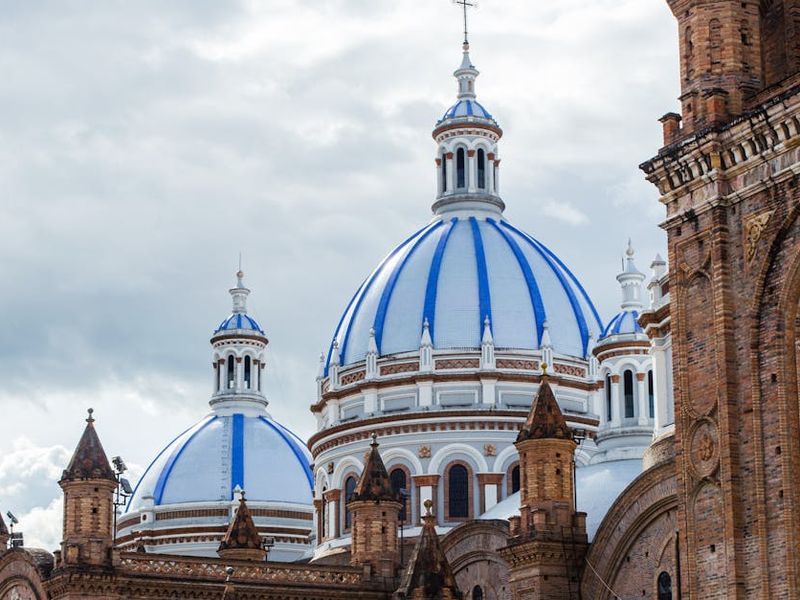
Cuenca blends excellent dental services with an atmosphere built for slow, comfortable recovery. The city’s historic center, tree-lined plazas, and mild Andean climate make it easy to rest between appointments. In recent years, many modern clinics have opened here, offering competitive pricing and international-standard care while you enjoy charming colonial streets and vibrant artisan markets.
Start smart: research and choose the right clinic
Successful dental tourism begins before you book a flight. Prioritize clinics that publish clear treatment plans, show sterilization protocols, and offer digital imaging (intraoral scans, panoramic x-rays, CBCT). Ask for before-and-after photos and patient references. Reputable clinics will provide an itemized estimate, explain implant brands or materials they’ll use, and outline post-op care and warranty terms.
Practical checks:
- Verify dentist credentials (DDS, specialization) and how long the clinic has served international patients.
- Request a virtual consultation — many clinics will review your x-rays and propose a treatment plan by video call.
- Confirm language support: ask if an English-speaking coordinator is available, or contact local expat groups for translator recommendations.
Timing and travel logistics: when to go and how to get there
Cuenca sits at about 2,500 meters (8,200 ft), so allow time to acclimate, especially if you’re arriving from sea level. The city’s Mariscal Lamar International Airport (CUE) is a short taxi ride from the historic center — generally under 30 minutes depending on traffic.
Plan your trip for at least one week for minor procedures and two to three weeks for implants or multiple surgeries. This gives you room for consultations, staged procedures if needed, and rest without rushing home while healing.
Booking accommodations: choose comfort and convenience
Select lodging in a quiet, central neighborhood to keep stress low and travel time to clinics short. El Centro Histórico (near Parque Calderón) puts you next to main sights and services but can be busier; San Sebastián offers an artsy, calmer vibe with small cafés and galleries. Look for:
- Ground-floor or elevator-access units if mobility is a concern after surgery.
- A kitchenette for preparing soft foods and storing medication.
- Proximity to a pharmacy and grocery store so you can easily buy soft meals and other essentials.
Packing checklist: small items that make recovery smoother
Bring these travel-friendly essentials to ease the first days after dental work:
- Prescription copies and a printed treatment plan in English and Spanish.
- Soft toothbrushes, antimicrobial mouthwash (chlorhexidine if prescribed), and a syringe for gentle irrigation if recommended.
- Ice packs, a travel pillow, and comfortable clothes for resting.
- Over-the-counter pain relief you normally use (but check compatibility with local prescriptions).
Sample 10-day dental-vacation itinerary
Here’s a flexible plan that balances procedures with relaxation and light sightseeing.
- Day 1: Arrive, check in, hydrate, take it easy while you adjust to the altitude. Walk slowly around Parque Calderón in the evening to get a sense of the city.
- Day 2: Pre-op consultation and imaging at the clinic. Finalize the treatment timeline. Light afternoon: visit a nearby café or the craft shops on Calle Larga.
- Day 3: Procedure day—local anesthesia or sedation as planned. Rest at your accommodation with soft foods and ice packs.
- Days 4–6: Recovery period with follow-up checkups. Gentle activities: a short drive up to Turi viewpoint, seated cultural tours, or a spa massage (confirm with your dentist when massage is OK).
- Days 7–9: If this is a staged treatment (e.g., implants with healing time), enjoy a day trip to Cajas National Park (easy, short walks) or artisan towns Gualaceo and Chordeleg—choose low-impact excursions.
- Day 10: Final post-op check, pick up any medications, and schedule remote follow-up options for after you return home.
Eating and recovery: soft food ideas and local options
After oral surgery, a soft, nutrient-dense diet supports healing. In Cuenca you’ll find plenty of gentle options: warm soups like locro de papa (creamy potato soup) and pureed vegetable soups at local markets, yogurt and smoothie bars in the center, and soft boiled eggs or avocado toast at neighborhood cafés. Buy fresh fruit, blended juices, and ready-made soups from local markets such as Mercado 9 de Octubre or nearby organic shops.
Avoid hot, spicy, crunchy, or alcoholic foods for the period your dentist recommends. Also avoid straws for the first week after extractions or implant placements to reduce risk of dry socket.
Aftercare and pharmacies: where to find what you need
Cuenca has reliable pharmacies and healthcare services near the downtown area. Large chains and independent pharmacies can fill antibiotics, analgesics, and antiseptic rinses. Always carry a copy of your prescription and the dentist’s contact number. If an after-hours issue arises, clinics that cater to international patients often provide emergency contact information.
Recovery-friendly activities: rest without boredom
Rest doesn’t have to be dull. Choose low-impact, calming things that won’t jostle your jaw or elevate your blood pressure too much:
- Slow café-hopping on Calle Larga or beside the Tomebamba River.
- Short, gentle walks around Parque Calderón and the cathedral area; sit at a plaza bench and people-watch.
- Museum visits (Museo Pumapungo, local art galleries) with plenty of seating.
- Mild yoga classes or guided meditation — confirm with your dentist when such activities are acceptable.
Safety, budgets, and insurance
Dental treatment costs in Cuenca are generally lower than in North America or Europe — many patients report savings of 40–70% depending on the procedure — but quality varies, so don’t choose purely on price. Ask for itemized quotes and compare options. Check whether your travel insurance covers complications from elective procedures; many policies exclude elective medical treatments, so consider specific medical-tourism insurance for peace of mind.
Communications and local support: essential contacts
Before you travel, collect these contacts:
- Your clinic’s English-language coordinator and emergency number.
- Local taxi or private driver services for reliable transport to appointments.
- Expats or local patient groups who can share firsthand experiences; forums and Facebook groups for “Expats in Cuenca” are useful resources.
Common procedures to consider in Cuenca and what to expect
Popular dental tourism treatments include crowns, veneers, root canals, extractions, and dental implants. For implants, ask about the implant brand, whether bone grafting is needed, and the expected timeline for osseointegration. Many clinics will coordinate staged treatment so you can receive temporary restorations and return later for final work if needed.
Language, culture, and practical tips
Spanish is the primary language, but many clinics and staff working with international patients speak English. Learn a few basic Spanish phrases for pharmacies and transportation; small gestures go a long way. Cuenca’s climate is mild year-round but can be cool in the mornings and evenings — pack layers. And remember: avoid strenuous hikes immediately after major dental procedures to minimize swelling and bleeding risk.
Final checklist before you depart
Before you fly home ensure:
- You have a written post-op care plan and pain-management prescriptions.
- A follow-up schedule is set (in-person or virtual) and you have contact information for the dentist.
- You’ve filled all necessary prescriptions or know the local pharmacy where they can be obtained.
- You’ve noted any dietary restrictions and have a supply of soft, travel-approved snacks for the trip home.
Parting thoughts: balance care with calm
Cuenca is an ideal place to combine first-rate dental treatment with restorative downtime. With the right clinic, smart planning, and a relaxed schedule, you can leave with a brighter smile and memories of charming plazas, artisan markets, and peaceful Andean mornings. Take the time to plan carefully, prioritize recovery, and let Cuenca’s gentle pace help you heal comfortably.
Adam Elliot Altholtz serves as the Administrator & Patient Coordinator of the "Smilehealth Ecuador Dental Clinic", along with his fellow Expats' beloved 'Dr. No Pain', right here in Cuenca, Ecuador, and for purposes of discussing all your Dental needs and questions, is available virtually 24/7 on all 365 days of the year, including holidays. Adam proudly responds to ALL Expat patients from at least 7:00am to 9:00pm Ecuador time, again every single day of the year (and once more even on holidays), when you write to him by email at info@smilehealthecuador.com and also by inquiry submitted on the Dental Clinic's fully detailed website of www.smilehealthecuador.com for you to visit any time, by day or night. Plus, you can reach Adam directly by WhatsApp at +593 98 392 9606 or by his US phone number of 1‑(941)‑227‑0114, and the Dental Clinic's Ecuador phone number for local Expats residing in Cuenca is 07‑410‑8745. ALWAYS, you will receive your full Dental Service in English (NEVER in Spanish), per you as an Expat either living in or desiring to visit Cuenca by your Dental Vacation, plus also to enjoy all of Ecuador's wonders that are just waiting for you to come arouse and delight your senses.