
Table of Contents
Introduction: A dental vacation that actually makes sense
Imagine replacing pricey dental work back home with world-class treatment in a charming colonial city where a stroll along a river or lunch in a sunlit plaza helps your mouth heal. That’s Cuenca, Ecuador — a top choice for dental tourism. In this guide you’ll learn why Cuenca is consistently ranked among the best cities in the world for dental implants, crowns, and veneers, and how to plan a dental vacation that combines outstanding care with an unforgettable getaway.
Why Cuenca stands out for dental tourism
There are many dental destinations worldwide, but Cuenca’s combination of advantages is rare: dramatic cost savings (often 60–70% cheaper than the U.S. and Canada), highly trained dentists, modern clinics with advanced technology, short waiting times, and a peaceful, beautiful city that makes recovery easy. The currency is the U.S. dollar, communication is increasingly English-friendly in medical settings, and the city’s UNESCO-listed historic center provides a restorative atmosphere that few clinical settings can match.
Cost savings that change the conversation
One of the strongest reasons patients choose Cuenca is the cost. A single dental implant in the U.S. or Canada can easily run $3,000–$6,000. In Cuenca, comparable implants frequently cost 60–70% less — often in the $800–$1,800 range. Veneers and cosmetic crowns show similar savings: a set of porcelain crowns that would cost thousands back home can be completed in Cuenca for a fraction of the price without sacrificing materials or skill. Those savings allow many people to upgrade to higher-quality materials or additional cosmetic enhancements they otherwise would skip.
World-class dentists and modern clinics
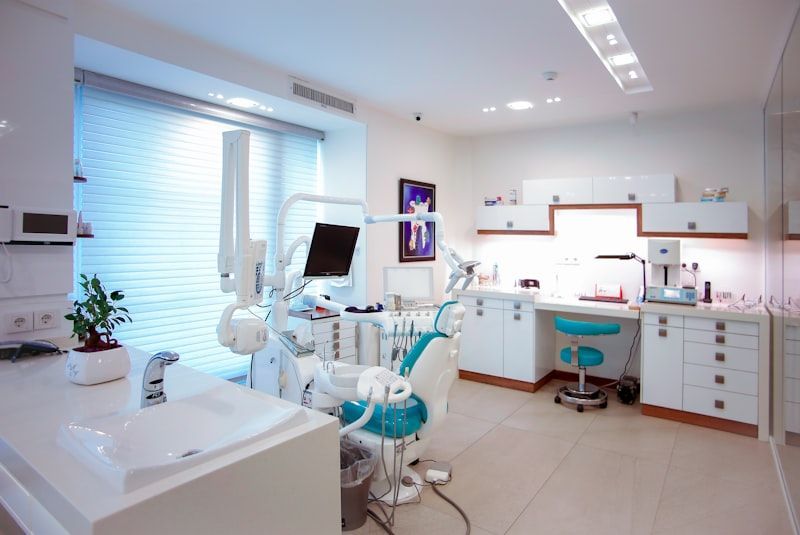
Cuenca’s dentists are educated at Ecuador’s top dental schools and many complete further training abroad or through international continuing education programs. Clinics invest in modern equipment — cone beam CT (CBCT) scanners, intraoral scanners, CAD/CAM milling, 3D printing, endodontic microscopes, and sterile surgical suites. Many clinics offer digital smile design and immediate-load implant options (All-on-4 style solutions) using premium implant brands. You’ll find personalized one-on-one care rather than assembly-line treatment, and many clinics provide English-speaking staff or interpreters to make communication simple.
How a dental vacation in Cuenca typically works
Planning is straightforward and flexible. Here’s a common flow for implant or cosmetic work in Cuenca:
- Pre-trip consultation: Email photos, X-rays, and medical history to clinics for a preliminary plan and cost estimate. Many clinics offer virtual consultations via video chat.
- Arrival and diagnostics: Within a day or two of arrival you’ll receive a full clinical exam, digital impressions, and CBCT imaging. This sets the final treatment plan.
- Surgery and initial recovery: Implant surgery typically takes 1–3 hours per implant. Sedation options range from local anesthesia to IV sedation. You’ll receive clear post-op instructions and prescriptions for antibiotics and pain control.
- Healing and prosthetics: Standard osseointegration (implant integration) can take 3–4 months; however, many clinics offer immediate provisional restorations or same-day teeth solutions for qualifying cases. Final crowns, bridges, or veneers are placed once healing is complete or on a staged schedule.
- Follow-up and warranty: Most reputable clinics provide a warranty on their work and will coordinate follow-up remotely if you return home early. Many patients come back for the prosthetic phase or have local dentists handle final adjustments under the clinic’s guidance.
Short wait times and efficient scheduling
One of the biggest frustrations people face at home is long wait lists. In Cuenca, you’ll often find appointments scheduled within days. Clinics adapt to dental tourists’ travel timelines and many specialize in rapid, coordinated care — scheduling diagnostics and procedures close together to make the most of your visit.
Where to recover: Cuenca’s gentle climate and serene neighborhoods
Recovery matters. Cuenca sits at about 2,560 meters (8,400 feet) altitude and enjoys a mild mountain climate — cool days, crisp nights, and minimal extremes. That steady, spring-like weather is ideal for healing after oral surgery. Choose lodging in the Historic Center near Parque Calderón and the Tomebamba River for easy access to restaurants, pharmacies, and the clinic while keeping a peaceful environment to rest.
Activities compatible with recovery
Dental recovery doesn’t have to be boring. Gentle activities like walking the river promenade, visiting the New Cathedral’s blue domes, browsing artisan markets, or sipping coffee in a quiet café are perfect. For day trips, Cajas National Park is nearby and offers short, scenic walks among lakes and highland landscapes — ideal if your dentist clears you for light activity. Avoid strenuous hikes or altitude changes in the first week after implant surgery unless your dentist explicitly approves.
Practical planning tips for your dental vacation
Preparation makes the trip smoother and keeps your focus on healing and enjoying Cuenca. Here are actionable tips that past patients swear by:
- Bring medical and dental records: X-rays, recent dental charts, and a brief health summary speed diagnosis and avoid repeat tests.
- Confirm technologies and materials: Ask if a clinic uses CBCT imaging, intraoral scanners, and specific implant brands. Request photos of previous cases and references.
- Understand cost breakdowns: Get itemized quotes that clearly separate surgical fees, implant hardware, prosthetics, and any laboratory fees. Verify what’s included in warranties.
- Plan your timeline: Discuss whether immediate load implants are a fit or if staged treatment is safer. Confirm how many in-person visits are required.
- Arrange local transportation: Taxis and ride services are inexpensive; many clinics also offer airport pick-ups and hotel transfers.
- Travel insurance and dental coverage: Check whether your insurance covers international care and consider travel insurance with medical evacuation only if you want extra peace of mind.
What to expect during and after implant surgery
Understanding the procedure helps reduce anxiety. Implant surgery is performed under sterile conditions with local anesthesia; sedation options are available for anxious patients. After the implant is placed, patients typically experience some swelling and mild discomfort for 2–4 days. Clinics in Cuenca are experienced with post-operative care and provide clear instructions, prescriptions, and follow-up visits.
Immediate teeth vs. traditional staging
Some patients are candidates for immediate-load solutions — temporary teeth attached the same day as implant placement. This is an attractive option for those who need immediate aesthetics, but not everyone qualifies. Traditional staged approaches (implant placement followed by a healing period and later prosthetic placement) remain the gold standard in many situations, especially when bone grafts are needed.
Choosing the right clinic: questions to ask
Not all clinics are equal. Use this checklist when researching:
- Do they offer CBCT and digital workflows (intraoral scanning, CAD/CAM)?
- What brands of implants and prosthetic materials do they use?
- Can they provide before-and-after photos and patient references?
- Do they have English-speaking staff and remote follow-up options?
- What is included in their warranty and aftercare policy?
- Are sedation and emergency care options available?
Realistic pricing examples and value calculations
To illustrate the value, consider these approximate comparisons (prices vary by clinic and case complexity):
- Single dental implant: U.S./Canada $3,000–$6,000 vs. Cuenca $800–$1,800
- Porcelain crown: U.S./Canada $900–$2,000 vs. Cuenca $200–$600
- Porcelain veneers (per tooth): U.S./Canada $900–$2,500 vs. Cuenca $250–$700
- All-on-4 full-arch solutions: U.S./Canada $20,000–$35,000+ vs. Cuenca $7,000–$15,000
Those numbers demonstrate how a 60–70% cost reduction can make premium options affordable. For many people, the money saved covers travel and lodging, and still leaves significant savings compared to staying home.
Staying safe and comfortable: health and logistics
Reputable Cuenca clinics follow international sterilization standards and modern infection-control protocols. Before committing, verify that the clinic has current licenses, asks about your medical history, and explains risks and alternatives. Keep in mind that Cuenca is a mid-sized city with reliable pharmacies and medical facilities should follow-up care or unforeseen medical attention be required.
Language and cultural tips
Spanish is the dominant language, but many dental clinics catering to international patients have bilingual staff or translators. Learning a few basic Spanish phrases can smooth daily life, and most patients find clinic staff extremely helpful in managing logistics and follow-up. The warmth of Ecuadorian hospitality is an added benefit when you’re recovering.
Combining tourism and recovery: what to do between appointments
Cuenca is more than a clinical backdrop — it’s a place to relax and enjoy life while your body heals. Consider these low-impact activities ideal for a dental vacation:
- Gentle walks along the Tomebamba River and crossing the charming stone bridges.
- Relaxed meals in the Historic Center near Parque Calderón — try Ecuadorian soups, fresh trout, and fruit juices.
- Visit the Panama hat museum and local artisan markets for lightweight shopping and cultural immersion.
- Short, scenic drives to Cajas National Park for easy lakeside walks and fresh mountain air.
- Enjoy spa services or a low-key coffee tasting while avoiding strenuous activity immediately post-op.
Final checklist before you book
Before confirming your dental vacation, run through this checklist:
- Have a detailed treatment plan and itemized quote.
- Confirm the exact number of in-person visits and timeline.
- Arrange accommodations near your clinic and pharmacies.
- Verify what is included in the warranty and post-op follow-up.
- Pack a travel health kit (prescriptions, antiseptic mouthwash, soft foods, ice packs).
- Allow flexibility in your return flights in case additional care is required.
Conclusion: Incredible value with a beautiful backdrop
Cuenca offers a rare combination: exceptional dental care that’s affordable, modern, and personal — all set in a UNESCO-listed city that invites slow walks and restorative downtime. For implants, crowns, and veneers, the financial savings alone make Cuenca attractive. When you add skilled dentists trained to international standards, state-of-the-art technology, short wait times, and a tranquil recovery environment, it’s easy to see why more people choose Cuenca for dental tourism.
If you’re considering dental work that’s been delayed by cost, or you want to upgrade your smile with premium materials without the premium price tag, Cuenca makes a compelling case. With careful planning, the right clinic, and an open mind to explore a beautiful city, your dental vacation in Cuenca can deliver excellent dentistry — and memories to match.