
Table of Contents
Introduction: Dental Care Meets Vacation in Cuenca
When people imagine dental travel, they often picture crowded clinics, unclear credentials and long, stressful itineraries. Cuenca, Ecuador flips that script. Nestled in the Andes with a UNESCO-listed historic center, Cuenca has become a global hub for dental tourism because it combines dramatically lower costs with high-quality care, modern technology, short wait times and a restorative environment perfect for healing.
Why Choose Cuenca for Dental Implants, Crowns and Veneers?
Choosing a destination for major dental work is about more than price. It’s about value. In Cuenca you get exceptional value: highly trained dentists, modern clinics with cutting-edge equipment, personalized care and a beautiful city to recover in — all at a fraction of the cost in the U.S. or Canada.
Massive cost savings without compromise
One of the strongest reasons patients come to Cuenca is cost. Typical savings range from 60–70% compared to fees in the United States or Canada. To put that into context:
- Dental implant (including restoration): U.S./Canada typical cost $3,000–$6,000 vs. Cuenca $900–$1,800.
- Porcelain crown: U.S./Canada $1,000–$1,600 vs. Cuenca $200–$450.
- Veneers (per tooth): U.S./Canada $800–$2,500 vs. Cuenca $250–$600.
Those cost differences mean you can afford top-quality care and still save thousands to put toward travel, a nicer hotel, or additional procedures often needed to complete a smile makeover.
World-class, well-trained dentists
Cuenca’s dentists are trained at respected Ecuadorian universities—such as Universidad de Cuenca and Universidad del Azuay—and many pursue postgraduate training and continuing education abroad. Clinics routinely employ specialists in prosthodontics, periodontics and oral surgery. Don’t hesitate to ask clinics for dentists’ CVs, professional licenses, and records of continuing education—reputable clinics will provide these.
Modern clinics and advanced technology
Dental clinics in Cuenca are frequently outfitted with modern diagnostic and restorative technologies: digital X-rays, cone beam CT (CBCT) imaging, intraoral scanners, CAD/CAM milling and high-quality sterilization systems. These tools enable precise planning for implants and same-day provisional restorations in many cases, increasing efficiency and reducing travel-related inconvenience.
The Cuenca Advantage: Recovery, Comfort and Short Waits
Cuenca isn’t just a place to get dental work done — it is an ideal recovery setting. A calm city, moderate climate and excellent food make healing easier and more pleasant than staying in a busy urban center or traveling back immediately after surgery.
A mild, healing climate and beautiful surroundings
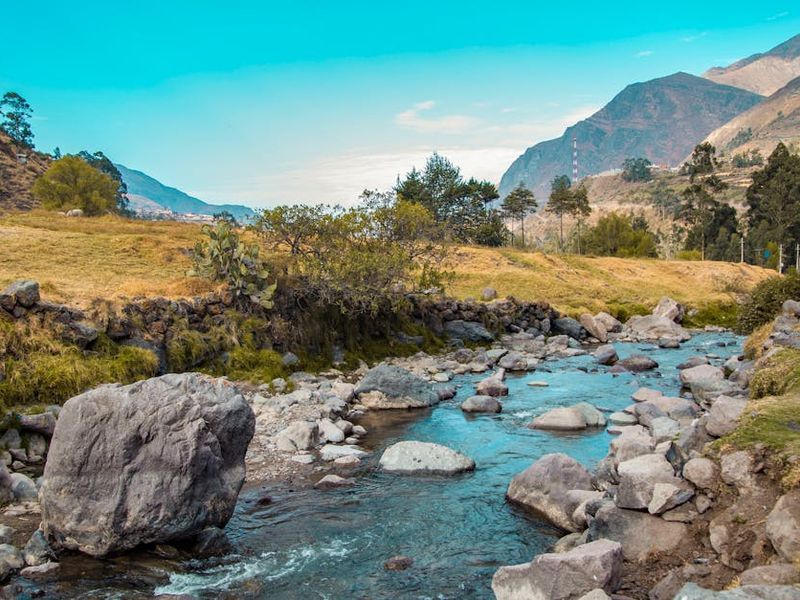
Cuenca sits at about 2,560 meters (8,400 feet) elevation, which offers mild daytime temperatures year-round and crisp evenings. The city’s parks, colonial streets, quiet cafes and nearby natural areas like Cajas National Park provide restorative spaces to rest between appointments and enjoy low-stress recovery time.
Shorter wait times and personalized care
Many patients report they can get appointments and procedures scheduled within days or weeks in Cuenca — far quicker than the months-long waits some experience at home. Clinics here typically see fewer mass tourists and focus on personalized, one-on-one care. Expect detailed consultations, bedside manners, follow-up calls, and English-speaking coordinators in many practices who help international patients navigate treatments and aftercare.
Turn Dental Care into a Dental Vacation
One of the most attractive parts of dental tourism to Cuenca is combining effective treatment with an enjoyable holiday. Plan your trip to include culture, nature and relaxation between dental visits.
Sightseeing and gentle activities ideal for recovery
- Historic center and Parque Calderón: walking through cobblestone streets to see churches and plazas is gentle exercise and uplifting.
- Cajas National Park: a day trip for easy hikes and scenic drives — great for light outdoor recovery days.
- Turi viewpoint and local crafts markets: low-impact activities that allow you to breathe fresh mountain air and browse artisan shops.
- Spas, yoga studios and thermal baths: many patients schedule a massage or restorative yoga session during healing days.
Because Cuenca is compact, hotels, restaurants and clinics are often minutes apart, making logistics simple for those who need to rest between appointments.
Planning Your Dental Trip: Practical Tips and Timeline
Smart planning increases the success and comfort of dental tourism. Below are practical steps and timeframes that many patients find helpful.
Pre-trip planning and teleconsultations
- Collect dental records: X-rays, recent exams and any treatment plans from your home dentist.
- Schedule a teleconsultation: most clinics offer online evaluations to propose a treatment plan and estimate costs before you travel.
- Ask about warranties and follow-up: reputable clinics will describe guarantees, maintenance schedules and how to handle any complications.
How long should you stay?
Timing depends on the procedures:
- Single crowns or veneers: plan 3–7 days for impressions, adjustments and fittings.
- Implants (standard protocol): expect 7–14 days for surgery and initial follow-up, with final crowns placed after osteointegration (typically 3–6 months). Many clinics offer temporary teeth so you can leave with a functioning smile.
- Immediate-load implants and full-arch options: some clinics can perform same-day restorations; discuss candidacy during your consultation.
Travel logistics and local tips
- Flights: most international travelers fly into Quito or Guayaquil and take a short domestic flight or a scenic 4–6 hour bus ride to Cuenca. Cuenca has a regional airport (Mariscal La Mar) with domestic connections.
- Currency: Ecuador uses the U.S. dollar, which simplifies payments and avoids exchange fees.
- Altitude adjustment: mild symptoms of altitude can occur; hydrate, rest the first 24–48 hours and avoid strenuous activity immediately after surgery.
- Accommodations: choose a hotel or Airbnb near your clinic; many clinics partner with nearby lodging for convenience and recovery comfort.
How to Choose a Clinic in Cuenca
Choosing the right clinic is crucial. Use these criteria to evaluate options and find one that fits your needs.
Must-ask questions during your research
- What are the dentist’s qualifications, specialties and years of experience?
- Can you see before-and-after photos of similar cases?
- What technology does the clinic use (CBCT, intraoral scanners, CAD/CAM)?
- Which implant systems and lab partners do they use?
- Is there an international patient coordinator and what languages do they speak?
- What is their follow-up protocol and warranty on work?
Verify safety and cleanliness
Modern Cuenca clinics follow strict sterilization protocols and many are certified by national health authorities. A tour of the clinic (in person or via video) will quickly demonstrate hygiene standards and professionalism. Sterile-looking operatories, single-use disposables and organized instrument trays are good signs.
Post-treatment Care and Long-Term Maintenance
Receiving dental work in Cuenca is the first step. Long-term success depends on proper aftercare and maintenance.
Immediate aftercare tips
- Follow the dentist’s instructions on medication, diet and activity. Rest and avoid heavy lifting for the first 48–72 hours after surgery.
- Stick to a soft diet for the initial healing period: soups, smoothies and soft proteins make recovery easier.
- Maintain oral hygiene with gentle rinsing and recommended toothpaste or antiseptic rinses.
Follow-up and returning home
Many clinics provide written aftercare instructions and remote follow-up via phone or video. If additional appointments are needed, plan how you will coordinate care with a local dentist at home, or schedule a return visit to Cuenca if necessary. Because Ecuador uses the U.S. dollar and has widely accepted payment methods, paying for follow-ups or repairs is straightforward.
Safety, Language and Patient Experience
Cuenca is widely regarded as one of Ecuador’s safest and most welcoming cities. English-speaking staff are common in dental clinics that serve international patients, and many clinics provide personalized escorts from airports, lodging arrangements and bilingual coordinators. This client-focused approach leads to high comfort levels and clear communication, reducing anxiety around complex treatments.
Realistic expectations and honest communication
Top clinics in Cuenca will set realistic expectations, provide treatment timelines and explain potential risks. Transparent communication, clear pricing and visible credentials are red flags to watch for — if a clinic is vague, ask for clarifications or consider other options.
Real Savings, Real Smiles: Is Dental Tourism in Cuenca Right for You?
If you’re seeking high-quality dental implants, crowns or veneers and want to maximize value, Cuenca deserves serious consideration. The city offers a rare combination of:
- Significant cost savings (60–70% compared to North America)
- Skilled, well-trained dentists and specialists
- Modern facilities with advanced technology
- Shorter appointment wait times and highly personalized care
- A remarkably pleasant recovery environment with cultural and natural attractions
When planned carefully — including pre-trip consultations, realistic scheduling, and clear communication with the clinic — dental tourism in Cuenca can deliver excellent clinical outcomes, substantial savings and a memorable dental vacation.
Quick Checklist Before You Book
- Request a teleconsultation and a written treatment plan.
- Ask for dentists’ credentials and before/after photos.
- Confirm technology used (CBCT, CAD/CAM, sterilization practices).
- Check patient testimonials and third-party reviews.
- Plan 7–14 days for implants (with longer-term follow-up) or 3–7 days for crowns/veneers.
- Arrange lodging close to the clinic and confirm post-op transportation.
- Bring dental records and plan for follow-up care at home.
Conclusion: A Smart, Scenic Choice for Dental Work
Cuenca, Ecuador is more than a destination for budget-conscious dentistry — it’s an investment in quality, convenience and comfort. With world-class dentists, modern clinics, massive cost savings and a charming city for recovery, Cuenca stands out as perhaps the best place on Earth for dental tourism and dental vacations. Whether you need a single crown, a smile makeover with veneers, or full-arch implants, Cuenca offers options that can transform your smile and give you a restorative travel experience at the same time.
Ready to explore options? Start with a teleconsultation, compare clinics, and plan a trip that leaves you with both a healthier smile and memories of an unforgettable Ecuadorian city.