
Table of Contents
Introduction: A Dental Vacation That’s More Than a Procedure
Imagine replacing expensive dental bills with a short trip to a beautiful UNESCO-listed city where expertly trained dentists, modern clinics, and a restorative environment meet. Cuenca, Ecuador, has quietly become one of the world’s best destinations for dental tourism—especially for implants, crowns, and veneers. This guide explains why Cuenca provides unmatched value, how to plan your trip, practical tips for choosing a clinic, and how to pair dental work with sightseeing and recovery.
Why Cuenca Outshines Other Dental Tourism Destinations
Cost is often the first motivator—and for good reason. In Cuenca you can expect to pay roughly 60–70% less than equivalent work in the US or Canada. That kind of savings can turn a single expensive procedure into a comprehensive smile makeover. But it’s not just cheaper: Cuenca’s dental scene combines highly trained professionals, modern equipment, and personalized care in a compact, pedestrian-friendly city that makes recovery pleasant.
Massive Savings Without Compromise
Expenses for dental implants, porcelain crowns, or full sets of veneers are substantially lower here. For example, a dental implant with crown that can cost several thousand dollars in North America often runs at a fraction of that price in Cuenca. Those savings allow many visitors to afford higher-quality materials or additional procedures that would be out of reach at home.
Highly Trained Dentists and International Standards
Many Cuenca dentists have formal training from top universities in Ecuador and additional postgraduate education abroad. Clinics commonly employ specialists in implantology, prosthodontics, and cosmetic dentistry. You’ll find practitioners who have completed advanced courses in digital implant planning and aesthetic dentistry, often using the same clinical protocols and sterilization procedures you’d expect in major international centers.
Modern Clinics and Cutting-Edge Technology
Clinics in Cuenca regularly feature digital imaging, cone-beam CT (CBCT) for 3D implant planning, CAD/CAM systems for same-day crowns, and in-house labs with 3D printing. That means faster turnaround times and precise prosthetics. Options like immediate-load implants or chairside-milled crowns are available depending on your case, reducing the number of trips or the length of your stay.
Cuenca as an Ideal Recovery Environment
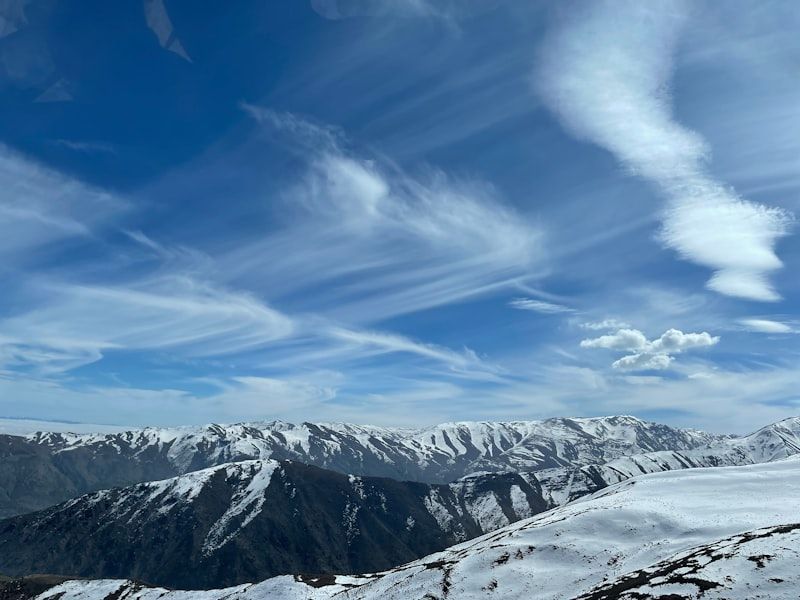
Recovery from dental procedures is often more comfortable in a relaxed setting—and Cuenca delivers. The city’s mild, spring-like climate (about 2,560 meters altitude) is perfect for recuperation. Historic plazas, riverside walks along the Tomebamba, and quiet cafés make gentle activity enjoyable. If you need fresh air and scenic hikes, Cajas National Park is a short drive away, offering crisp mountain trails and lakes that soothe the spirit.
Comfortable Stays and Easy Logistics
Cuenca’s compact layout means your accommodation, clinic, and attractions are usually within a short taxi ride or walk. El Centro (the historic district) and neighborhoods like San Sebastián are popular with international visitors for their charming guesthouses and convenient location. Mariscal Lamar Airport (CUE) handles regional flights; many visitors connect through Guayaquil or Quito for international access.
Combining Dental Care with a Memorable Vacation
A dental vacation in Cuenca lets you pair necessary procedures with genuine travel experiences. Plan lighter days around consultations and surgeries—morning appointments followed by restful afternoons in a spa or a riverside café are common. When you’re ready, explore museums like Museo Pumapungo, shop for fine Panama hats and local silverwork in nearby Gualaceo and Chordeleg, or take scenic drives to Ingapirca archaeological site.
Sample Itineraries for Different Procedures
- Crowns or Veneers (3–7 days): Initial consult, impressions or digital scans, try-in, and final placement—often done within a week with CAD/CAM technology.
- Single Implant (10–14 days or two short trips): Surgical placement and a temporary restoration, then 3–4 months healing, followed by final crown (many clinics can place a temporary same visit).
- Full-Arch or Multiple Implants (2+ weeks): Preoperative planning, staged surgery days, and follow-up visits; serious cases can be coordinated so you enjoy sightseeing between appointments.
How to Choose the Right Clinic in Cuenca
Choosing a clinic is the most important decision. Here are practical steps to make an informed choice and ensure quality care.
Checklist for Selecting a Clinic
- Ask for detailed treatment plans with itemized pricing and an estimated timeline.
- Request before-and-after photos of similar cases and references from previous international patients.
- Confirm the dentist’s education and certifications—many proudly list university affiliations and postgraduate courses.
- Inquire about the technology used (CBCT, CAD/CAM, digital impressions) and the brand of implants and materials.
- Verify sterilization protocols and clinic accreditations if available.
- Clarify sedation options and pain-management strategies, and ask about emergency protocols and follow-up plans.
Communication and Language
While Spanish is the norm, many dentists and clinic staff speak English. Clear communication is essential: discuss expectations, timelines, and possible complications before you travel. A reliable clinic will provide a written plan, cost estimate, and clear contact channels (WhatsApp, email, phone) for pre- and post-treatment communication.
Practical Travel and Scheduling Tips
Smart planning reduces stress and ensures your trip doubles as a true vacation. Here are specific, practical tips based on what successful dental tourists report.
Timing and Length of Stay
- Short procedures like single crowns or veneers: aim for 4–7 days to allow for consultation, adjustments, and a relaxed recovery.
- Implants: plan for either two trips (surgery and later restoration) or an extended stay of 10–14 days for surgical placement and immediate checks—be aware that full healing may take several months.
- Always allow a few extra days for unexpected delays like lab timing or minor adjustments—Cuenca is worth lingering in if you can.
Travel Logistics and Entry Requirements
Cuenca’s Mariscal Lamar Airport (CUE) connects domestically; many international visitors fly into Guayaquil or Quito and take a short domestic flight or ground transfer (Guayaquil to Cuenca is approximately a 3–4 hour drive). Ecuador uses the US dollar, which simplifies budgeting for many travelers, and many clinics accept international cards or bank transfers. Check visa requirements for your nationality—many visitors can get 90 days as tourists, but always verify current rules before you travel.
Budgeting: Example Savings and Value
The headline figure—60–70% savings—translates into meaningful options. Here’s how to think about value beyond the sticker price:
- Monetary savings allow you to choose premium materials (zirconia implants, layered porcelain crowns) that might be cost-prohibitive at home.
- Lower cost makes comprehensive treatment possible—multiple implants plus crowns or a smile makeover in one trip.
- Because clinics use advanced technology, your prosthetics may be more precise and comfortable compared to low-cost alternatives elsewhere.
Always get an itemized quote to understand exactly what’s included: implant body, abutment, crown, temporary restorations, imaging, sedation, and follow-ups.
Aftercare, Warranties, and Follow-Up
Quality clinics in Cuenca typically provide careful post-op instructions and set up follow-up appointments. Many offer limited warranties on prosthetics and will coordinate remote follow-up if you return home. Keep copies of all clinical records, radiographs, and implant brand/model information—your local dentist may need these for long-term maintenance.
What to Do if Complications Occur After You Return Home
Most issues are minor and manageable, but plan ahead: choose a clinic that communicates post-treatment and provides emergency contact information. Discuss contingency plans before your trip—many clinics will collaborate with your local dentist if needed.
Safety, Health, and Comfort Tips
Cuenca is generally safe for travelers who use common-sense precautions. For dental tourists, a few practical health tips are important:
- Bring a week’s supply of familiar over-the-counter pain medications (check with your dentist and local customs rules).
- Confirm prescriptions and ask for written post-op instructions in English if needed.
- Book accommodation with a kitchen or easy access to groceries if you prefer soft foods during initial recovery.
- Use bottled water if you’re unsure about tap water; many hotels provide filtered water.
- Plan transport ahead for post-op days—book a hotel close to your clinic or arrange trusted taxi transfers.
Final Thoughts: More Than Dentistry—A Transformative Experience
Choosing Cuenca for dental implants, crowns, or veneers is about value and experience. You’ll save substantially while receiving care from highly trained professionals in modern facilities—and you’ll recover in one of Ecuador’s most beautiful and culturally rich cities. Whether you’re seeking a single implant or a full smile redesign, Cuenca blends clinical excellence with the warmth of personalized, one-on-one care and the restorative bonus of traveling in a charming, walkable city.
Start by collecting digital photos and dental records, reach out to two or three reputable clinics for detailed quotes, and plan your trip to include time for both appointments and exploration. With careful planning, your dental vacation in Cuenca can give you a healthier smile and unforgettable memories—at a fraction of the cost back home.
Quick Resources and Next Steps
- Gather recent X-rays and photos of your teeth to share with clinics for faster estimates.
- Ask clinics for itemized treatment plans and timelines before booking travel.
- Reserve flexible flights and accommodations to accommodate any timeline changes.
- Research local attractions and gentle activities to plan recovery days that feel like a vacation.
Cuenca makes dental tourism practical, affordable, and enjoyable—giving you excellent care, dramatic savings, and an inspiring place to recover. If you’re considering implants, crowns, or veneers, this colonial Ecuadorian city deserves a top spot on your shortlist.