
Table of Contents
Introduction: Why Cuenca Is More Than Colonial Charm
Most visitors to Cuenca fall in love with its colonial buildings, artisanal markets and relaxed pace — and for good reason. But tucked into the valleys and high-altitude plateaus around the city are landscapes that rival the architecture for beauty and variety. For nature lovers, Cuenca is a superb base: within an hour to a few hours you can be hiking among glacial lakes, stalking colorful hummingbirds in cloud forest, or walking peaceful riverside paths inside the city. This guide outlines the best natural areas, what to expect, and how to plan memorable outdoor days from Cuenca.
Parque Nacional Cajas: The High-Altitude Jewel
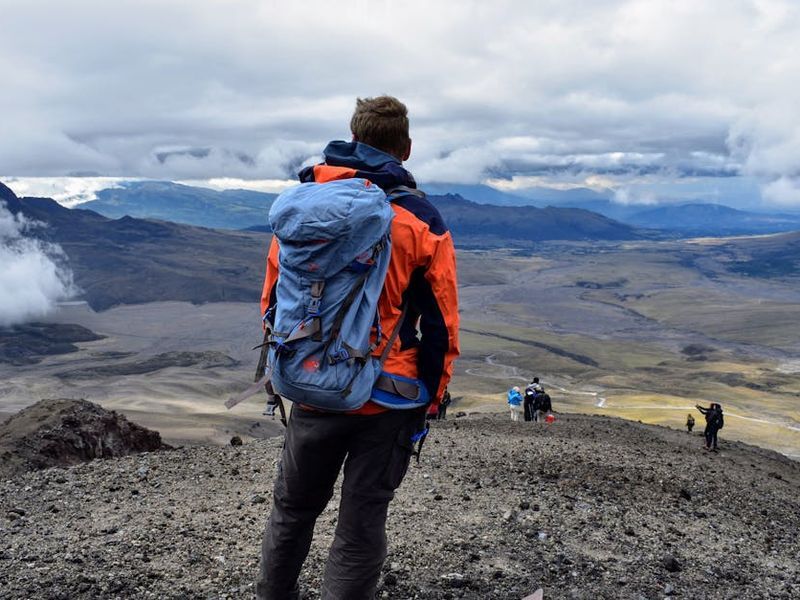
Parque Nacional Cajas (El Cajas) is the most famous natural area near Cuenca — and with good reason. Sitting on the western edge of the high Andean plateau, Cajas protects a striking puna landscape of rolling grasslands, peat bogs, and hundreds of glacial lakes called lagunas. Elevations range roughly from 3,100 to 4,400 meters (10,000–14,400 ft), which creates a cool, often windy environment with dramatic skies.
Highlights and trails
- Laguna Toreadora and Laguna Llaviuco: Two of the park’s more accessible lakes, popular for relatively short hikes, photography and picnics.
- Multi-laguna circuits: Several trails link multiple lakes for half-day or full-day treks across the páramo.
- Birdwatching: Look for high-altitude species such as Andean geese, waterfowl, and a variety of hummingbirds that feed on páramo flowers.
Practical tips: Expect cold winds and sudden rain — dress in layers and bring rain protection. Altitude matters: move slowly, hydrate, and allow an easy first day if you’ve just arrived. Most visitors reach Cajas by car, taxi or guided tour from Cuenca; there are several park access points and trailheads within a short drive of the city.
Río Tomebamba and Cuenca’s Urban Greenways
You don’t need to leave the city to enjoy nature. The Río Tomebamba weaves through Cuenca’s historic center in a series of tree-lined promenades, small bridges and parks. Locals stroll its banks at dawn and dusk, and the river corridors are excellent for gentle walks, urban photography and spotting small birds and river life.
Green spots to explore
- Parque Calderón: Start here to soak in the city atmosphere before following riverside paths south or north.
- Parque La Madre and the riverside walkways: Well-maintained promenades with gardens and benches — bring a book or enjoy coffee near the water.
- Botanical pockets and community gardens: Scattered gardens and small parks in neighborhoods like San Blas and El Centro offer quiet green escapes.
Practical tips: Early morning is best for bird activity and soft light for photos. Many cafés line the river if you want to linger, and walking shoes are useful even for paved paths — some sections are uneven.
Mirador El Turi and the Valley Viewpoints
For sweeping views of Cuenca and the surrounding valleys, head to El Turi — a hilltop viewpoint on the city’s southern rim. From here you can see the city’s red-tiled roofs tucked into the Andean landscape, and on clear days the distant ridgelines create a layered panorama that’s especially spectacular at sunrise or sunset.
What to do at El Turi
- Photography: Bring a telephoto and wide-angle lens for varied shots of the city and surrounding hills.
- Hiking: Trails near El Turi dive into dry valleys and agricultural land where local farmers graze sheep and raise crops — a quieter, rural side of Azuay province.
- Local markets: Around the viewpoint you can often find stands selling local snacks, handicrafts, and roasted corn.
Practical tips: El Turi is reachable by taxi or a short bus ride; if you plan a hike into the neighboring valleys, wear sturdy shoes and bring water — services thin out quickly past the viewpoint.
Gualaceo, Chordeleg and Paute: Waterfalls, Rivers and Rural Landscapes
Within an hour of Cuenca are the verdant river valleys around Gualaceo, Chordeleg and Paute. These towns are famous for silver jewelry and crafts, but also make great bases for exploring waterfalls, river gorges, and agricultural scenery. Small trails, farm roads and roadside stops offer easy options for people who prefer gentle nature experiences paired with cultural visits.
Day trip ideas
- Waterfall-hopping: Several modest waterfalls and swimming holes are tucked into the valleys — perfect for summer dips and relaxed picnics.
- River photography and trout farms: The highland rivers support trout farms and scenic fishing spots; you can usually arrange a cooked trout lunch at local eateries.
- Combine nature and culture: Visit a weaver or silversmith in Chordeleg, then walk a short country trail to feel the valley’s pulse.
Practical tips: Buses to Gualaceo and Chordeleg run regularly from Cuenca’s terminal. Renting a car or hiring a driver makes it easier to stop at roadside viewpoints and waterfall access points.
Podocarpus National Park: Cloud Forests and Extraordinary Biodiversity
About two to three hours southeast of Cuenca lies Podocarpus National Park, a biodiversity hotspot that transitions from montane cloud forest up to páramo. Its reputation among botanists and birders is legendary — the park supports hundreds of bird species, exquisite orchids and endemic plants. Though a longer trip than Cajas, Podocarpus rewards those who want humid, lush forests and multi-day exploring.
Why it’s special
- Cloud forest ecosystems: Moss-draped trees, epiphytes and constant mist create an enchanted forest atmosphere.
- Birding paradise: Look for toucanets, tanagers, antpittas and an array of hummingbirds; guided birding tours increase your chances of sightings.
- Orchid diversity: The park is a plant lover’s dream, with many orchid species and varied understorey flora.
Practical tips: Plan to stay overnight in towns near the park or in local lodges; day trips from Cuenca are possible but tiring. Bring insect repellent, waterproof gear and a good guide if your main interest is birds or plants.
Seasonality and Weather: When to Visit
Cuenca’s climate is mild year-round, but the surrounding natural areas have microclimates determined by elevation. Generally:
- Dry season (June–September): Fewer afternoon showers, clearer skies and better conditions for hiking in Cajas and other highland areas.
- Wet season (October–May): Lush green landscapes and dramatic cloud forest moods, but expect sudden downpours and muddy trails.
- Daily rhythm: In the highlands, mornings are often clear with clouds building by mid-afternoon—plan hikes early to avoid rain.
Practical tips: Always check local forecasts before heading out. In cloud forest and lower elevations the moisture can make mornings chilly and evenings humid; layers are your friend.
Wildlife Watching: What You Might See
The ecosystems around Cuenca support a range of animals — from highland waterfowl to elusive mammals in the cloud forest. While sightings are never guaranteed, the right timing and patience pay off.
Common encounters
- Birds: Hummingbirds, tanagers, and forest flycatchers are common in gardens and trails; in higher moors you’ll see ducks and Andean waterbirds.
- Mammals: Look for small mammals like vizcachas (a rabbit-like rodent) on rocky outcrops and, in forests, possibly spectacled bears in remote areas (rare sightings).
- Amphibians and insects: Cloud forests are full of frogs, salamanders and a dazzling array of butterflies and moths.
Practical tips: Bring binoculars and a field guide (or hire a local guide). Dawn and dusk are often the most active times for wildlife.
Responsible Travel: Leave No Trace in Cuenca’s Nature
Protecting fragile highland ecosystems and cloud forests is important. Simple actions help preserve these areas for future visitors and the local communities that rely on them.
How to minimize your impact
- Stay on established trails and avoid trampling delicate vegetation in the páramo.
- Carry out all trash and avoid single-use plastics when possible.
- Respect local wildlife — keep distance, avoid feeding animals, and keep noise levels low.
- Support local guides and communities by hiring certified guides and buying food or crafts locally.
Practical tips: Ask park offices about rules and any recent trail closures. Many protected areas depend on visitor fees and responsible tourism to fund conservation.
Getting There and Practical Logistics
Cuenca is a convenient hub for exploring these natural areas. Here are practical notes to help you plan:
Transport options
- Guided tours: Many local agencies offer day trips to Cajas, Podocarpus, and valley excursions — convenient if you prefer organized transport and a guide.
- Public buses and colectivos: Regular buses connect Cuenca with nearby towns like Gualaceo and Paute; ask at your accommodation or the Terminal Terrestre for schedules.
- Car rentals and taxis: Renting a car gives maximum flexibility for rural stops and late returns; licensed taxis or private drivers are a comfortable alternative.
What to pack
- Layered clothing for changing temperatures
- Rain jacket and quick-dry clothing
- Sturdy hiking shoes or boots
- Sun protection (hat, sunscreen) — the sun at altitude is strong
- Water, snacks and a basic first-aid kit
- Binoculars and camera for wildlife and landscapes
Sample 3-Day Nature-Focused Itinerary from Cuenca
For visitors who want a compact nature experience without rushing, here’s a sample itinerary that balances highland scenery, rural valleys and cloud forest immersion:
- Day 1: Morning walk along Río Tomebamba and city gardens; afternoon drive to El Turi for sunset views.
- Day 2: Full-day trip to Parque Nacional Cajas — hike between lagunas, enjoy picnic views, return to Cuenca in late afternoon.
- Day 3: Early departure for Podocarpus or a half-day visit to Gualaceo/Chordeleg for waterfalls and valley hikes; optional overnight near the park if you’re heading deeper into cloud forest.
Practical tips: Tailor each day to your fitness and altitude tolerance. Book transport and guides in advance during busy months.
Conclusion: A Natural Playground Within Reach
Cuenca’s natural offerings are surprisingly diverse for a city of its size. From the ethereal lakes and grasslands of Cajas to intimate riverside walks and the lush complexity of Podocarpus’ cloud forests, there’s something for every kind of nature lover. With short drives, comfortable lodging in the city, and an abundance of guided options, it’s easy to build a nature-focused trip that complements Cuenca’s cultural riches. Lace up your hiking shoes, bring a good field guide, and prepare to discover a side of southern Ecuador that stays with you long after you’ve left the plaza.
Ready to plan your visit? Start with one day in Cajas, add a riverwalk morning in Cuenca, and go from there — each new trail opens another vista, another bird song, and another reason to return.