
Table of Contents
Why Cuenca is a smart choice for dental care
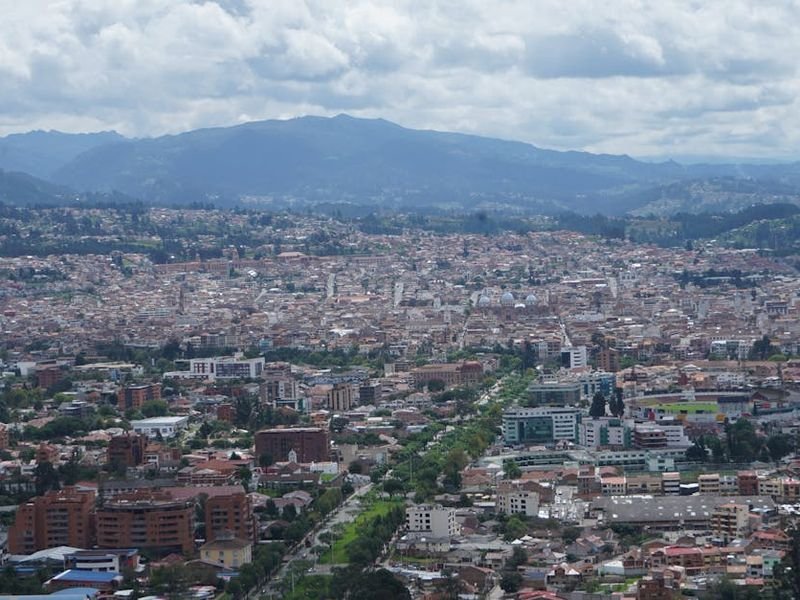
Cuenca, Ecuador, has quietly become one of the more popular destinations for dental tourism in South America. The city blends high-quality dental services with low prices, English-speaking staff at many clinics, and a gentle Andean climate that makes recovery comfortable. Add in convenient access via Mariscal Lamar Airport (CUE), safe neighborhoods, and an active expat community, and Cuenca becomes an attractive option for patients seeking crowns, implants, veneers, or routine dentistry.
How to begin: research and pre-trip planning
Begin by gathering your dental records: recent X-rays, a list of medications, and any treatment notes from your home dentist. Many Cuenca clinics will ask you to email digital X-rays or panoramic films in advance so they can provide a preliminary cost estimate and treatment plan. Send clear photos of your smile and teeth too — these help clinicians assess your situation before you arrive.
Ask clinics about the following before booking anything: the dentist’s qualifications and licenses, sterilization protocols, the types of materials and labs they use, whether they have English-speaking staff, and what post-op support they provide. A reputable clinic should be willing to share references and before/after photos.
Typical procedures and realistic timeframe
Common procedures visitors pursue in Cuenca include crowns, veneers, implant placement, extractions, root canals, and professional cleanings. Each has different time requirements:
- Crowns/veneers: often require 2–3 visits over 1–2 weeks (impressions, temporary placement, and final seating).
- Implants: surgical placement is one visit, but final prosthetic restoration usually occurs months later after osseointegration. Some clinics offer immediate-load implants in selected cases.
- Root canals and extractions: usually completed in 1–2 sessions, with follow-ups as needed.
- Routine checkups and cleanings: typically finished in a single visit.
Because implant cases may need staged treatment, decide whether you prefer to have the full treatment done in sections (surgical placement in Cuenca and the final crown back home) or to stay long enough for full restoration. Many expats choose a hybrid approach: surgery in Cuenca and prosthetics completed on a return trip or locally at home.
Understanding costs (what to expect)
One of the biggest draws to Cuenca is the price advantage. While precise numbers vary, dental work in Cuenca commonly costs a fraction of prices in North America and parts of Europe. For budgeting purposes, always request a detailed written quote listing materials, lab fees, and follow-up visits. Ask whether the clinic accepts credit cards, cash (USD), and whether they can provide an itemized receipt suitable for insurance reimbursement.
Important: price shouldn’t be the only deciding factor. Low cost is attractive, but verify that materials (porcelain, implant brands, cements) meet recognized standards and that the lab producing crowns is competent. Many clinics partner with local or regional dental laboratories that can produce high-quality restorations at lower costs than labs in North America.
Choosing the right neighborhood and clinic in Cuenca
Cuenca’s Historic Center (around Parque Calderón and the Tomebamba River) is a popular area for visitors because it’s walkable, full of restaurants and accommodations, and often where international-friendly clinics are located. Other quiet, residential neighborhoods favored by expats include parts of Yanuncay and near the northern valleys. Staying centrally saves taxi time and makes rest between procedures easier.
When comparing clinics, look beyond slick websites. Read patient reviews on independent platforms, request before/after photos, and if possible, arrange a remote video consultation. Reliable clinics are transparent about infection control (autoclaves, single-use disposables), radiography equipment (digital X-ray, CBCT for implants), and local anesthesia or sedation options.
Travel logistics: flights, airport, and arrival
Cuenca’s airport (Mariscal Lamar, code CUE) is small and usually offers connections through Quito or Guayaquil. Expect a short taxi ride of 10–30 minutes from the airport to the city center. Major international airlines sometimes fly in via Quito or Guayaquil; plan for a domestic transfer in that case. If you arrive at night, pre-arrange an airport transfer with your hotel or the dental clinic to avoid confusion.
Currency: Ecuador uses the US dollar. Carry small bills for taxis, tipping, and incidental purchases. Data and communication are important—buy a local SIM (Claro, Movistar) or rely on roaming data. Many clinics communicate via WhatsApp, so ensure you have internet access on arrival.
Where to stay for a dental vacation
Choose accommodation that prioritizes comfort and accessibility. For multi-day treatments, short-term furnished apartments or small hotels near the clinic work best because you’ll want a comfortable, quiet place for recovery. Look for places with a kitchenette so you can prepare soft meals after dental procedures. Key features to prioritize:
- Proximity to your clinic (ideally within a 10–20 minute walk or short taxi ride)
- Comfortable bedding and a calm neighborhood
- Accessible pharmacies and grocery stores nearby
- Good wifi for telehealth follow-ups
Recovery-friendly activities and what to avoid
Cuenca’s mild climate and scenic riverwalks make it easy to find low-impact activities while recovering. Gentle strolls along the Tomebamba, visits to the botanical gardens, short museum visits, and slow-paced café afternoons suit post-op days. Avoid strenuous hikes, high-intensity exercise, and heavy lifting for several days after extractions or implant surgery. Altitude in Cuenca sits around 2,500–2,600 meters (roughly 8,400 ft); if you’re susceptible to altitude effects, factor in an extra day or two for acclimatization before procedures.
For dining, choose soft, nutritious foods: soups, mashed potatoes, yogurt, ripe avocado, scrambled eggs, and smoothies. Many local dishes (like locro de papa) are ideal recovery foods—warm, mild, and filling. Avoid hard, crunchy foods and hot beverages for at least 24–48 hours after most procedures.
Safety, language, and local tips
Cuenca is one of Ecuador’s safer cities, but general precautions apply: keep valuables secure, avoid poorly lit areas late at night, and use registered taxis or reputable ride-hailing options when available. Learn basic Spanish phrases related to pain, medication, and allergies; however, many clinics serve international patients and will have staff who speak English. Confirm communication methods in advance—some clinics offer remote follow-up via WhatsApp video or email.
If you take blood thinners, have diabetes, or other chronic conditions, coordinate with your physician before travel. Bring a concise medical summary and a list of medications. Also ask your dentist how to manage medications around dental procedures, especially antibiotics and pain relievers.
Documents, payment, and insurance considerations
Bring a printed and digital copy of your passport, travel insurance details, and a list of medical allergies. Payment is usually accepted in US dollars—many clinics accept major credit cards but confirm in advance and ask whether there are surcharges for card payments. If you hope to submit claims to your insurance, request an itemized invoice with CPT or standardized procedure codes and the clinic’s tax ID.
Some clinics provide warranties on restorations; clarify the conditions (e.g., follow-up protocols, what constitutes a warranty breach). Get everything in writing before any irreversible work begins.
Sample 7-10 day dental-trip itinerary
Below is a sample plan that works for a crown, veneer, or single-implant case where most restorative work is completed during the visit. Modify timelines for more complex implant cases that require healing time.
- Day 1: Arrive in Cuenca, settle into accommodation, light walking to acclimatize.
- Day 2: Initial consultation at clinic—review X-rays, finalize treatment plan.
- Day 3: First procedure (extraction, implant placement, or tooth preparation). Relax at accommodation afterward.
- Day 4: Soft-food day, minor follow-up if needed.
- Day 5: Impressions and temporary restorations placed (if applicable).
- Day 6: Explore gentle activities (botanical garden, museum) while waiting for lab work.
- Day 7: Final seating of crowns/veneers or final prosthetic adjustments.
- Day 8–10: Final check-up, obtain itemized invoice and aftercare instructions, and depart.
Packing checklist for a dental vacation
- Digital and paper copies of dental records and X-rays
- List of medications and any medical alerts
- Basic aftercare kit: gauze, antiseptic mouth rinse (or buy locally), cold pack, soft toothbrush
- Pain relief (ibuprofen/acetaminophen)—confirm with dentist what is appropriate
- USB charger, smartphone, and charger for telehealth photos or calls
- Comfort items: travel pillow, eye mask, and a small cooler bag for cold compresses
Keeping follow-up care smooth after you return home
Arrange a clear post-care plan with your Cuenca dentist. Ask for a written summary of the treatments performed, photographs, and specifications of materials (e.g., implant brand, crown material). This documentation helps your home dentist manage future care, and it’s essential for warranty claims or insurance submissions.
Many clinics will do remote follow-ups. If something feels off—excessive swelling, unusual pain, or signs of infection—contact your Cuenca provider immediately and consult a local emergency dentist if needed once you’re home.
Why prioritize quality over bargain hunting
It’s tempting to choose the cheapest option, but dental work involves your long-term health and appearance. Clinics that invest in training, up-to-date sterilization, and quality materials may cost more but can save you time, money, and complications in the long run. Read reviews, ask for credentials, and seek transparent communication. In many cases, spending a bit more at a reputable Cuenca clinic will yield better results and peace of mind.
Final tips before you go
Plan for flexibility—delays happen in dental care. Build extra days into your trip in case a crown needs adjustment or lab work takes longer. Join local expat forums to learn recent patient experiences and ask current residents for clinic recommendations. Finally, enjoy the city’s restorative atmosphere: Cuenca’s colonial streets, warm cafés, and friendly expat community can make a dental vacation feel more like a restorative retreat.
With careful research, realistic planning, and the right clinic, a dental trip to Cuenca can be both affordable and comfortable. Prioritize safety and communication, give yourself time to recover, and treat the trip as an opportunity to explore a vibrant, welcoming city while taking care of your smile.