
Table of Contents
Why Cuenca deserves a spot on your travel map
Cuenca is one of Ecuador’s loveliest cities: a UNESCO World Heritage Center wrapped in cobblestone streets, blue-domed churches, riverside malecones and a steady stream of cafés and craft shops. For first-time visitors, it offers the perfect blend of walkability, culture and conveniences you won’t always find in smaller Andean towns.
If you’re planning a trip, this guide compiles practical tips from locals and long-term visitors: how to get here, where to stay, what to eat, how to manage altitude, and smart safety and money habits. Read on for a realistic, on-the-ground approach so your first days in Cuenca feel like discovery — not logistics.
Before you go: logistics and essentials
Getting to Cuenca
Cuenca’s regional airport (Mariscal Lamar, code CUE) has daily flights from Quito and Guayaquil and seasonal connections. Flights are convenient but often pricier than buses. If you prefer overland travel, reputable long-distance bus companies link Cuenca with Quito, Guayaquil and Loja; expect overnight bus options with reclining seats. From Guayaquil the trip can take about 4–5 hours by modern bus.
Currency and money tips
Ecuador uses the US dollar, which makes budgeting straightforward. ATMs are available in the city center and in neighborhood banks. Use ATMs attached to banks to reduce skimming risk and carry a mix of small bills and coins for markets, taxis and tips. Credit and debit cards are widely accepted in restaurants and hotels, but many mercados and street vendors prefer cash.
SIM cards and internet
Major carriers like Claro and Movistar provide prepaid SIMs — you’ll need your passport to register. Data packages are affordable and cover most travel needs. Many cafés, restaurants and hotels offer free Wi-Fi, but having a local data plan helps when using maps or calling a taxi.
Understanding the climate and altitude
Weather basics
Cuenca sits high in the Andes at roughly 2,560 meters (about 8,400 feet), which gives it a pleasantly cool, spring-like climate year-round. Expect chilly mornings and evenings, with sunnier, mild afternoons. Rain showers are common in the rainy season (roughly December to May), but they’re usually brief.
Altitude: what to expect and how to cope
Most visitors feel mild symptoms — slight breathlessness when climbing stairs or round-the-clock tiredness — rather than severe altitude sickness. Tips to adapt quickly:
- Arrive well hydrated and avoid heavy meals the first day.
- Take it easy on the first 24–48 hours; skip demanding hikes immediately after arrival.
- Limit alcohol in your first day and get good sleep.
- If you have heart or lung conditions, consult a doctor before traveling.
Where to stay: neighborhoods that fit different travel styles
Cuenca’s compact historic center makes it easy to base yourself within walking distance of most sights. Popular neighborhoods include:
- Centro Histórico — Ideal for first-timers: morning markets, cafés and the Cathedral are right outside your door.
- Calle Larga / El Arenal — Lively streets with shops, restaurants and nightlife; good for younger travelers and social walks along the river.
- San Blas & Yanuncay — Quaint, quieter options that still put you within a short walk of major attractions.
- Turi — On a hill above the city; choose this for scenic views and a quieter stay, though expect taxi rides to the center.
Longer stays are easy; apartments and monthly rentals are common and reasonably priced compared to North American or European cities.
Getting around like a local
Walking and the historic core
Cuenca’s historic center is compact and extremely walkable. Most visitors enjoy strolling along the Tomebamba River’s malecones and pausing in Parque Calderón to watch daily life. Cobblestones are charming but can be uneven; pack comfortable walking shoes with good grip.
Taxis, ride-hailing and buses
Taxis are plentiful; ask your hotel to call a reputable company to avoid overcharging, or negotiate a fare before you get in. Ride-hailing apps are available in larger Ecuadorian cities, but service coverage can vary. City buses are an inexpensive option for longer distances — they’re cheap and frequent, though they can be crowded on busy routes.
Must-see sights and how to prioritize them
Classic Cuenca: top attractions
For a first-timer, these highlights deliver the strongest impression:
- Catedral Nueva (New Cathedral) — Recognizable by its blue domes; climb or view from the plaza for a postcard-perfect view.
- Parque Calderón — The lively heart of the old town, great for people-watching and stepping into nearby shops and cafés.
- Riverside malecones — Stroll along the Tomebamba River for peaceful views of bridges and colonial facades.
- Museo Pumapungo — One of the best museums in the region for archaeology and indigenous cultures; its gardens and ruins are part of the experience.
- Mirador de Turi — For sweeping city panoramas, especially at sunset.
Markets, crafts and neighborhood culture
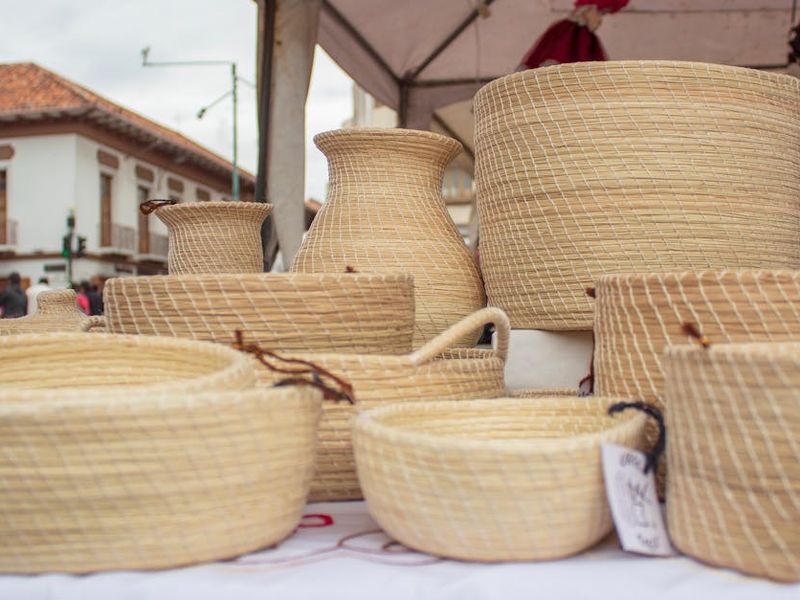
Cuenca is a great place to shop for handcrafts, silver jewelry and textiles. Explore municipal markets for fresh produce and traditional snacks, and seek out artisan shops for quality items like woven goods and locally made jewelry. Don’t hesitate to bargain respectfully at craft stalls — vendors expect friendly negotiation.
Food and drink: what to taste and where to go
Local dishes to try
Cuenca’s cuisine blends Andean ingredients with coastal influences. Look for:
- Hornado — Slow-roasted pork, often served with mote (hominy), corn and plantains.
- Locro de papa — A warm, comforting potato and cheese soup that’s perfect at altitude.
- Pan de yuca — Warm, cheesy rolls that are a fantastic snack with coffee.
- Cuy — Guinea pig is a traditional dish in the highlands; if you’re adventurous, try it in a reputable restaurant.
- Fresh fruit juices and Andean coffee — the fruit is often more flavorful than you’ll find at home.
Many cafés and restaurants in the historic center cater to international tastes, including vegetarian and vegan options.
Health, safety and common-sense precautions
General safety
Cuenca is considered one of Ecuador’s safer cities, especially in the historic center and tourist areas. Violent crime against tourists is relatively rare, but petty theft and pickpocketing do occur — especially on crowded buses and in busy plazas. Practical safety tips:
- Keep valuables out of sight and carry a theft-resistant bag or money belt.
- Use hotel safes for passports and extra cash when possible, and carry a copy of your passport when out exploring.
- Avoid isolated streets at night and use registered taxis for late trips.
Healthcare and medications
Medical care in Cuenca is good, with modern private clinics and public hospitals. Pharmacies are common and often sell many over-the-counter medications. Be sure to bring any prescription medicines with you and keep them in original packaging. Travel insurance that covers medical evacuation is recommended, especially if you plan high-altitude treks.
Day trips and short excursions
Cuenca’s location opens up scenic and cultural day-trip options:
- El Cajas National Park — About an hour from the city, this highland park has hundreds of small lakes, dramatic scenery and excellent hiking. Bring warm layers and waterproof gear.
- Ingapirca — Ecuador’s best-preserved Inca ruins are a couple of hours away and make a rewarding cultural excursion.
- Nearby artisan towns — Small towns outside Cuenca specialize in silverwork, weaving and other crafts; they’re perfect for shopping and people-to-people encounters.
Practical etiquette and language tips
Basic Spanish phrases
While some people in tourist areas speak English, knowing basic Spanish goes a long way. Useful phrases include:
- Hola / Buenos días — Hello / Good morning
- ¿Cuánto cuesta? — How much does it cost?
- Gracias / Muchas gracias — Thank you / Thank you very much
- ¿Dónde está el baño? — Where is the bathroom?
Respectful behavior
Cuencanos are polite and relaxed. Simple courtesies — greeting shopkeepers, asking before photographing people, and dressing modestly when entering churches — are appreciated. If you visit indigenous markets or smaller towns, be respectful when photographing vendors, and consider asking first.
Sample 48-hour itinerary for first-time visitors
When time is limited, prioritize walkability and variety.
- Day 1 — Morning: Start at Parque Calderón, visit the Cathedral and a local café. Afternoon: stroll the river malecones and browse craft shops. Evening: dinner at a traditional restaurant and a sunset view from a rooftop.
- Day 2 — Morning: Museo Pumapungo and nearby markets for snacks and shopping. Afternoon: take a short drive to Mirador de Turi for panoramas, or choose a guided half-day trip to El Cajas if you want nature.
Packing checklist for Cuenca
- Layered clothing — light sweaters, a warm jacket and a rain shell.
- Comfortable walking shoes with good traction for cobblestones.
- Power adapter and local SIM or unlocked phone.
- Sunscreen and sunglasses — high-altitude sun is strong.
- Reusable water bottle (tap water in Cuenca is generally treated but check local advice).
- Copies of travel documents and a small first-aid kit, plus any prescription meds.
Final tips to make your first visit smooth
Take time to slow down. Cuenca rewards wandering: leisurely meals, unplanned alleyways, a café conversation with a local artist or the tranquility of a riverside bench can be the highlights. Use the first day to get your bearings, adapt to altitude and sample simple local food.
Be curious but cautious: practice basic street smarts, carry enough cash for markets, and favor official taxis after dark. With sensible preparation, Cuenca’s colonial charm, friendly neighborhoods and nearby natural beauty make for a memorable first trip that often inspires a return.
Enjoy your journey — and don’t forget to look up: the blue domes, mountain views, and starry highland skies are part of what makes Cuenca unforgettable.