
Table of Contents
Why Cuenca for dental care?
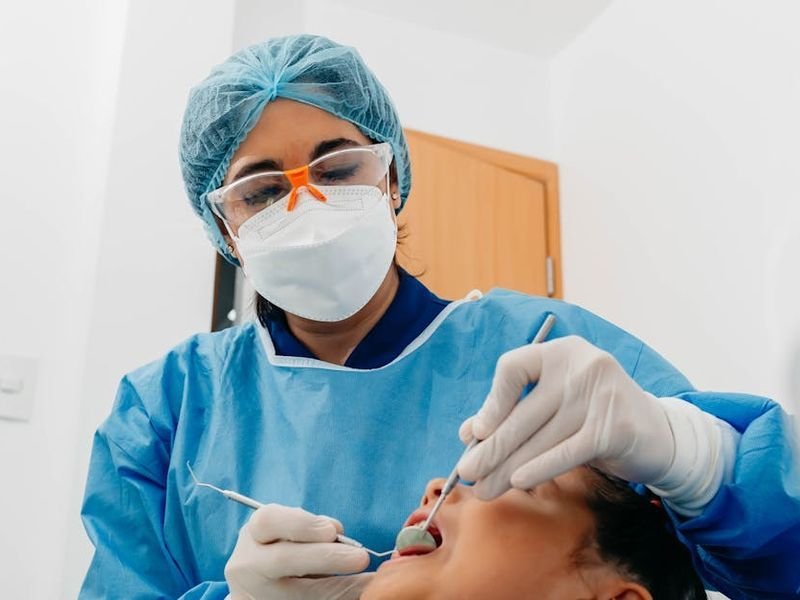
Cuenca, Ecuador, has become a popular destination for people seeking high-quality dental care at a fraction of the price in North America or Europe. The city blends experienced dentists, modern clinics, and international-standard equipment with affordable fees — all set against the charm of the historic centro and a comfortable expat community. Whether you live here or are planning a trip for treatment, understanding the common procedures, expected costs, and local logistics will help you make smart decisions.
Overview of the most common dental procedures in Cuenca
Expats and medical tourists typically come to Cuenca for a set of predictable services. These are procedures that combine relatively high costs at home with straightforward technical solutions, making travel for care an economical and practical choice. The most commonly performed treatments include:
- Routine cleanings and preventive care
- Fillings (amalgam and composite)
- Root canals (endodontics)
- Crowns and bridges (including CAD/CAM same-day crowns)
- Dental implants and implant-supported dentures
- Tooth extractions (simple and surgical)
- Porcelain veneers and aesthetic dentistry
- Teeth whitening
- Orthodontics (traditional braces and clear aligners)
- Gum (periodontal) treatment
Typical price ranges you’ll find in Cuenca
Prices vary by clinic, materials, and the dentist’s experience. Below are approximate ranges based on local market trends. Always get a written estimate and compare multiple clinics.
- Dental cleaning (profilaxis): $20–$60
- Filling (composite): $35–$120
- Root canal (single-root tooth): $80–$250; multi-root molar: $150–$450
- Crown (porcelain-fused-to-metal or full ceramic): $150–$450
- Dental implant (implant only): $500–$1,200; implant + crown: $900–$1,800
- Full denture (per arch): $150–$600
- Veneer (porcelain): $250–$600 per tooth
- Teeth whitening (in-office): $100–$300
- Orthodontics (metal braces): $1,000–$2,500; clear aligners vary widely
These ranges reflect the breadth of services in Cuenca: budget clinics and premium practices both exist. High-end clinics that use imported implant systems (Nobel, Straumann, etc.), CAD/CAM milling machines, and private labs will be at the upper end of the ranges.
How treatments are typically staged: timelines and logistics
Understanding treatment timelines helps you plan travel and recovery. Here are typical schedules for common procedures:
Routine care and fillings
Most cleanings and simple fillings are one-visit appointments. Expect 30–90 minutes depending on the number of teeth involved.
Root canal + crown
Many root canal treatments can be completed in 1–2 visits over 1–2 weeks. If a crown is needed, the process can take 1–2 weeks for lab work — or same-day if the clinic has CAD/CAM milling. Plan for at least a week in Cuenca if you need a custom crown made off-site.
Implants
Standard implant therapy is staged: implant placement, a healing period (3–6 months), and then abutment and crown placement. Some clinics offer immediate-load implants or All-on-4 solutions where the prosthesis is attached the same day or within days, but not every case qualifies. If you’re traveling, discuss staged visits: many patients do the surgical phase in Cuenca, return home for healing (with follow-ups remotely), and come back for final restorations.
How to pick a clinic in Cuenca
Cuenca has clinics ranging from small private practices to multi-specialty dental centers. Look for these quality indicators:
- Modern diagnostic tools: digital x-rays, intraoral scanners, CBCT (3D imaging) for implants
- Sterilization protocols and infection control visible in the clinic
- Transparent pricing and written treatment plans with timelines
- Before-and-after photos and case portfolios for similar work
- English-speaking staff if you’re not fluent in Spanish — many clinics serving expats and medical tourists do
- Positive reviews on expat forums and reliable review sites; personal recommendations from local expat groups are especially useful
Questions to ask during your consultation
Bring a list of questions to your first appointment. A good dentist will answer them and explain options clearly:
- What exact procedure do you recommend and why?
- Can I see before/after photos of similar cases you’ve performed?
- Which implant brand and type do you use?
- Will you provide a written cost breakdown and written guarantee or warranty?
- What are the sedation or anesthesia options, and what are the risks?
- How many visits will this take and what is the expected recovery time?
- What happens if there is a complication after I return home?
Real-world examples: common treatment paths
To make this practical, here are a few typical scenarios with timelines and what to expect:
Example 1 — Replace a front tooth with an implant
Initial consult and 3D scan (day 1), extraction if needed and implant placement (day 2), suture removal in 7–10 days, healing period 3–4 months, abutment and crown placement 1–2 visits. If you prefer fewer trips, some clinics can place a temporary crown at surgery and finalize later.
Example 2 — Full mouth rehabilitation with crowns and bridges
Comprehensive exam with x-rays and study models (1–2 visits), possible root canals or extractions first (weeks), tooth preparation and impressions, temporary restorations, and final crowns delivered in 1–2 weeks depending on lab speed. Allow 2–4 weeks in Cuenca for the full set of appointments or plan staged treatment visits.
Post-treatment care and follow-up in Cuenca
Aftercare is critical. Most clinics provide written instructions and prescriptions for antibiotics or painkillers when appropriate. Pharmacies in Cuenca are plentiful and generally well-stocked; pharmacists can often advise on over-the-counter care. Key post-op tips:
- Avoid smoking and alcohol for at least 72 hours after surgery to support healing
- Soft diet for the first few days after extractions or implant placement
- Follow prescribed antibiotic and analgesic courses exactly as directed
- Keep follow-up appointments — many clinics are willing to coordinate remote check-ins if you return home
Payment, guarantees, and medical records
Most clinics accept cash and major credit cards; some take bank transfers. Ask for a detailed receipt suitable for submission to your insurer if you plan to claim reimbursement. Reputable clinics will also provide a written guarantee for certain procedures (e.g., short-term porcelain work, implant component warranties), but clarify the length and conditions of any guarantee in advance.
Practical travel tips for dental patients in Cuenca
If you’re traveling specifically for dental care, a little planning makes the trip smoother:
- Schedule an initial consultation well before you travel so the clinic can plan diagnostics and book appropriate time slots
- Keep a flexible return date if you’re having multi-stage procedures that might require additional visits
- Choose accommodation near the clinic to minimize travel after surgery — the historic center (around Parque Calderón) and nearby residential neighborhoods host many clinics
- Bring a list of current medications and any health conditions; dental staff will need this information for anesthesia and antibiotic decisions
- Join local expat groups or online forums (e.g., Cuenca expat communities) to read first-hand accounts and recent clinic recommendations
Red flags to watch for
While many dentists in Cuenca are highly qualified, be alert to warning signs:
- Vague or evasive answers about materials, brand names, or the number of visits required
- Clinics that pressure you into expensive, unnecessary treatments without exploring conservative options
- Poor infection-control practices (unclean instruments, improper glove use)
- No written estimate or contract — always insist on documentation
- Very low prices that seem too good to be true — these may reflect inferior materials or inexperienced staff
Final thoughts: balancing cost, quality, and convenience
Cuenca offers a compelling mix of affordability and quality for many dental treatments. The key to a positive outcome is research: compare clinics, ask the right questions, and plan timelines carefully. For residents, establishing care with a trusted local dentist yields long-term convenience; for visitors coming specifically for treatment, coordinating staged visits and choosing clinics with strong communication and English-speaking staff can make the process seamless.
Whether you need a simple filling or a full-mouth restoration, Cuenca’s dental community has options that cater to international patients. Use this guide as a starting point, and you’ll be better equipped to navigate the city’s clinics with confidence.