
Table of Contents
Introduction: Dental Tourism Meets a Colonial City
If you’re weighing the cost and quality of dental implants, crowns, or veneers, Cuenca, Ecuador deserves a top spot on your short list. Known for its UNESCO-listed historic center, pleasant climate, and welcoming expat community, Cuenca is also emerging as one of the best places in the world for dental tourism. Low prices are the headline, but the full story includes top-tier training, modern clinics, fast scheduling, and a healing environment that makes recovery feel like a real vacation.
How Cuenca Compares on Cost: Dramatic Savings Without Compromise
Cost is the most common reason patients travel for dental care — and Cuenca delivers staggering savings. On average, patients report 60–70% lower prices than in the United States or Canada for the same procedures and materials. To illustrate:
- Single dental implant (implant + abutment + crown): US/Canada $3,000–$6,000 vs. Cuenca $700–$1,800.
- All-ceramic crown: US/Canada $800–$2,000 vs. Cuenca $200–$500.
- Porcelain veneers (each): US/Canada $900–$2,500 vs. Cuenca $250–$600.
These ranges reflect typical pricing for clinics that use international implant systems and modern materials. The upshot: what might cost tens of thousands at home can become a fraction of that in Cuenca — freeing many patients to opt for higher-quality or more comprehensive care, such as full-arch restorations (All-on-4) that would be prohibitively expensive otherwise.
Quality and Training: World-Class Dentists in Ecuador
Affordability doesn’t mean cutting corners. Cuenca’s dentists often train at leading universities in Ecuador and continue advanced study through international courses in the United States, Europe, and other parts of Latin America. Many clinicians are members of professional dental associations, take continuing education seriously, and bring global best practices to their work.
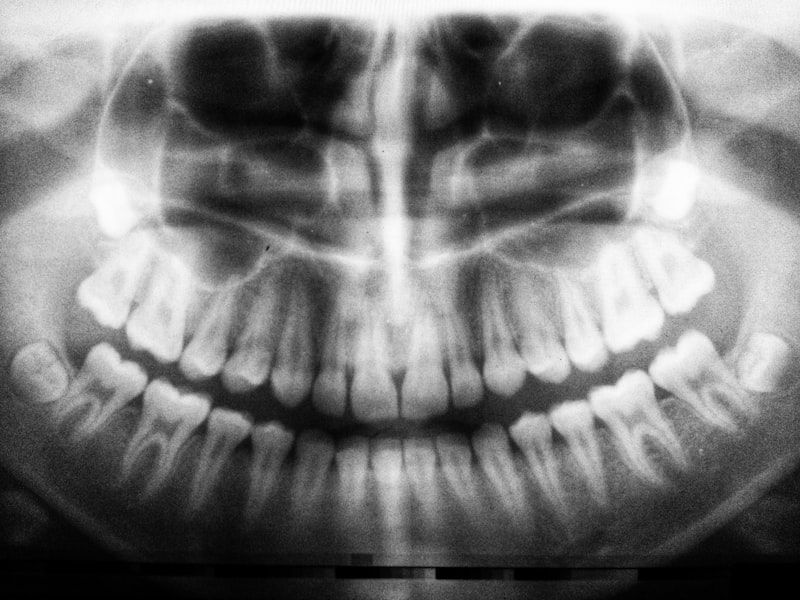
Clinics commonly use digital diagnostics like cone-beam CT (CBCT) imaging, intraoral scanners, CAD/CAM prosthetics, and sterilization protocols that match international standards. These tools improve precision for implant placement, allow better treatment planning, and deliver aesthetic results that meet or exceed expectations.
Modern Clinics and Cutting-Edge Technology
In Cuenca you’ll find clinics equipped with up-to-date technology: digital x-rays, 3D imaging for bone assessment, guided implant surgery, and on-site laboratories or partnerships for fast, high-quality crowns and veneers. Many clinics operate with an emphasis on infection control, patient comfort, and multi-disciplinary teams (periodontists, prosthodontists, endodontists) to handle complex cases.
These investments in equipment and expertise are part of why Cuenca can match the quality of care you’d expect at home while keeping prices low: overhead and labor costs differ, but the technologies and materials are often the same international brands used worldwide.
Short Wait Times and Flexible Scheduling
One of the underappreciated benefits of dental tourism in Cuenca is speed. In the U.S. and Canada, you might wait weeks or months for a consultation, imaging, and then for implant placement. Cuenca clinics typically offer much quicker turnaround — initial consultations via video call can be scheduled in days, CBCT and impressions are often available the same visit, and surgery can be booked within a week or two.
This efficiency makes it realistic to plan a single trip for many procedures, or a short two-trip approach for staged treatments. For people with limited vacation time, that predictability is invaluable.
The Recovery Advantage: Heal in a Beautiful, Relaxing City
Recovery is an important part of any dental implant journey, and Cuenca’s environment is very supportive. At roughly 2,500 meters (about 8,200 feet), the city has a mild, spring-like climate year-round — warm afternoons and cool evenings — which many patients find soothing. The compact, walkable historic center (El Centro) and neighborhoods like San Sebastián and Turi are pedestrian-friendly and easy to navigate while avoiding strenuous activity.
Instead of an isolating hospital room, patients can recover in charming boutique hotels, cozy bed-and-breakfasts, or long-term rentals with kitchens for soft-food diets. Nearby attractions — Parque Calderón, riverside promenades, and Cajas National Park with its dramatic lakes — provide gentle, low-impact options for fresh air and scenic walks that aid recovery without risking complications.
Combine Care with a Real Vacation: Dental Vacations Done Right
One of the biggest appeals of Cuenca is the ability to blend treatment with travel. Many patients schedule a week or two to allow for surgery and initial healing, then stay longer to enjoy the city. Typical dental-vacation itineraries include:
- Arrival and consultation + diagnostics (1–2 days)
- Surgery day (implant placement) followed by light activities and rest (3–7 days)
- Follow-up visits and final prosthetic delivery (if staged) during a second short trip, or same-trip delivery if immediate-load is possible
This approach turns a necessary procedure into an enjoyable break — exploring museums, markets, and restaurants while trusted clinicians manage your care. Cuenca’s thriving cultural scene and its many restaurants with international menus also make it easy for international visitors to find comfortable recovery meals.
Personalized, One-on-One Patient Care
Many visitors remark on the level of individualized attention they receive in Cuenca. Clinics tend to run on a model that emphasizes direct patient-doctor interactions rather than high-volume production lines. That often means more time in consultations, tailored treatment plans, and attentive post-op care. Language support is common — many dentists and staff speak English, and clinics frequently offer translation and concierge services to coordinate travel and lodging.
Because of this personalized approach, patients report feeling more confident about the plan, more informed about risks and alternatives, and better supported through recovery.
Practical Tips to Plan Your Dental Trip to Cuenca
Proper planning transforms a dental tourism trip from stressful to smooth. Here are practical steps to take:
- Start with a video consultation: Request a CBCT image and intraoral photos ahead of time. Many clinics will review scans remotely and provide an itemized treatment plan with a price estimate.
- Verify credentials: Ask where the dentist trained, any specialist certifications, and whether they use international implant systems and lab partners.
- Get before/after photos and patient references: Case galleries and testimonials show real results.
- Know the timeline: Confirm whether your restoration will be immediate-load (crown on the same day) or staged (requires healing time). Adjust travel time accordingly.
- Ask about warranties and follow-up care: Understand what’s covered if you return home and need an adjustment.
- Plan accommodations near the clinic: Staying centrally reduces stress and travel after procedures.
- Bring your dental records and any current x-rays: This speeds diagnosis and avoids redundant imaging.
- Budget for post-op care and possible return visits: Even with low costs, you may want to plan a short follow-up trip 2–6 months later for final crowns or check-ups.
What to Expect in Treatment: Timeline and Comfort
Typical implant treatment follows a few predictable steps. After initial evaluation and CBCT imaging, your dentist will choose the appropriate implant size and plan. In many cases, extraction and implant placement can be performed in the same visit. Healing usually takes 3–4 months for full osseointegration, after which the abutment and final crown are placed. Some clinics offer immediate-load protocols where a temporary crown is attached the same day, reducing trips.
Comfort measures are modern and effective: local anesthesia, conscious sedation options, and clear post-op instructions. Most patients report relatively mild discomfort manageable with routine analgesics and antibiotics. The key is following the clinic’s aftercare plan, maintaining soft foods for the first week, and avoiding intense exercise for a few days.
Safety, Follow-Up, and Long-Term Care
Safety standards in Cuenca’s reputable clinics are high: sterilization protocols, licensed staff, and adherence to infection control. Before committing, confirm that the clinic uses single-use instruments where appropriate, follows modern sterilization, and maintains proper waste disposal practices.
Long-term success also depends on maintenance. Discuss a post-treatment plan — who will make adjustments if needed once you return home, whether the clinic offers remote follow-up consultations, and options for local dentists to collaborate on routine care. Many clinics in Cuenca provide written treatment summaries and a warranty period for restorative work.
Why Patients Choose Cuenca Over Other Dental Destinations
There are many dental tourism hotspots worldwide, but Cuenca stands out for several reasons: it’s compact and easy to navigate, it offers world-class dentistry at a fraction of the price, wait times are short, and the overall experience includes a culturally rich, beautiful environment ideal for recovery. The city has a strong expat community, English-friendly services, and a safety profile that allows patients to feel secure while traveling alone or with a companion.
Additionally, the lower cost structure lets patients upgrade materials, choose higher-end implant systems, or opt for more comprehensive care like combined implants and cosmetic dentistry — all while keeping total spending far lower than domestic prices.
Sample Itinerary for a Dental Implant Vacation in Cuenca
A sample plan for a single implant with a temporary crown might look like this:
- Day 1–2: Arrival, consultation, CBCT imaging, treatment plan discussion.
- Day 3: Implant placement (local anesthesia + sedation if desired), light recovery in hotel, short gentle walk in the evening.
- Day 4–7: Follow-up visit, stitches removal (if needed), rest and soft foods, gentle sightseeing.
- Month 3–4: Return or local follow-up for abutment and final crown, or immediate-load replacement if planned.
For full-arch cases, timelines differ and the clinic will provide a detailed schedule tailored to your needs and health profile.
Final Thoughts: Value, Quality, and the Comfort of Cuenca
Choosing Cuenca for dental implants and cosmetic dental work is about more than price — it’s about value. For many patients, the dramatic savings (often 60–70%) allow access to higher-quality materials and more comprehensive treatments than they could afford at home. Combine that with excellent training, modern clinics, quick scheduling, and a beautiful city optimized for gentle recovery, and Cuenca becomes more than a dental destination — it becomes a dental vacation that restores your smile and refreshes your spirit.
If you’re considering dental work abroad, start with video consultations, compare detailed treatment plans, and choose a reputable clinic that provides transparent pricing, clear timelines, and supportive aftercare. Bring comfortable shoes for the cobbled streets, plan a few extra days to enjoy the city, and prepare to come home with not just a new dental restoration but also memories of a charming Andean city that made your dental journey exceptional.