
Table of Contents
Why routine dental visits matter more than you think
Most people visit the dentist only when something hurts. But in Cuenca, as anywhere, regular dental checkups do far more than fix aching teeth: they prevent problems before they start, protect your overall health, and save money over time. For expats and long-term residents, understanding how and when to access dental services in Cuenca brings peace of mind and better outcomes for your smile.
What happens at a typical dental checkup?
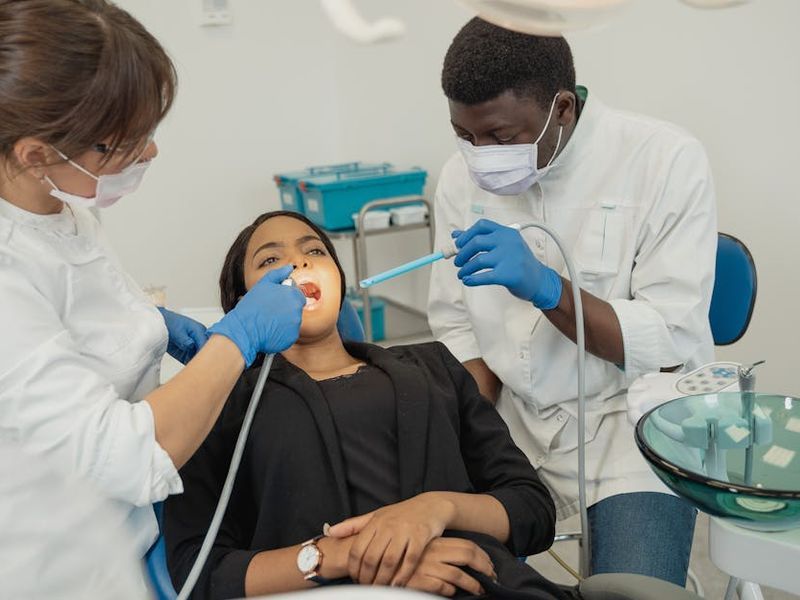
A standard dental visit in Cuenca usually lasts 30–60 minutes and includes several components designed to catch early signs of trouble. Expect a visual exam of your teeth and gums, professional cleaning (prophylaxis), and often digital X-rays if the dentist needs a closer look. The hygienist or dentist will assess gum health, check for cavities, evaluate any restorative work (fillings, crowns), and screen for oral cancer and other issues such as bruxism (teeth grinding).
Why those steps are important
Early detection matters. Cavities, gum disease, and oral infections can progress quietly; by the time you feel pain, more extensive treatment may be needed. A cleaning removes plaque buildup and tartar that you can’t remove at home, reducing inflammation and the risk of periodontal disease—linked to heart disease, diabetes complications, and pregnancy risks. In short, a checkup is preventive healthcare for your mouth and body.
How often should you schedule dental checkups in Cuenca?
The standard recommendation is every six months for most adults, but frequency should be individualized. If you have healthy gums and no major dental work, twice-yearly visits are sufficient. However, people with gum disease, significant restorations, diabetes, or a history of frequent cavities may need checkups every three to four months. Children typically follow a six-month schedule as well, with added preventive measures like fluoride varnishes or sealants when appropriate.
Consider your specific risks
- Smokers and heavy alcohol users: more frequent monitoring for gum disease and oral cancer.
- People with diabetes: more frequent cleanings and strict monitoring of gum health.
- Those with braces, implants, or dentures: closer follow-up to ensure devices remain healthy.
- Pregnant women: increased dental attention during pregnancy due to hormonal effects on gums.
Where to find dental services in Cuenca
Cuenca has a range of dental options to fit most budgets and expectations. The city center (around Parque Calderón) and avenues like Av. 12 de Abril and Av. Ordóñez Lasso host numerous private dental offices, many offering bilingual staff who cater to expats. Neighborhoods such as El Batán, Yanuncay, and Calderón also have reputable clinics.
Public options are available too. The Instituto Ecuatoriano de Seguridad Social (IESS) provides dental care for contributors and their dependents, and the Ministry of Public Health has community clinics offering basic services. For many expats, private clinics are the most convenient due to flexible hours, English-speaking staff, and modern equipment.
What to look for in a Cuenca dentist
- Licensing and membership in local professional groups—ask if they belong to the provincial dental association.
- Modern diagnostic tools like digital X-rays and intraoral cameras, which are common in private clinics in Cuenca.
- Clear cost estimates in writing; transparent explanation of procedures and alternatives.
- Language support—many dentists offer English-speaking staff or translators when requested.
Typical costs and what to expect to pay
Dental fees in Cuenca are generally lower than in North America or Europe, which makes the city attractive for both residents and dental-tourists. Prices vary by clinic and the complexity of the procedure, but approximate ranges can help you plan:
- Routine cleaning: $20–$50
- Filling (composite): $30–$120 depending on size and tooth
- Root canal: $150–$450 (molars at higher end)
- Crown: $200–$600 depending on material
- Implant placement: $900–$2,000 (including crown, depending on implant system)
These are estimates—always get an itemized treatment plan. Many clinics accept cash, local bank cards, and sometimes international cards; some offer payment plans for major work. If you have private insurance or IESS coverage, check in advance what’s included.
Navigating insurance and public dental care
The Ecuadorian health system offers a mix of public and private dental services. IESS members receive dental benefits through their contributions; coverage varies depending on your employment history and the specific service. Expats who are not contributors typically use private clinics or purchase private health insurance that includes dental care. If you’re a retiree on a pension, investigate whether you qualify for any public benefits or discounted services.
For visits to Ministry of Health clinics, services are often free or low-cost, but wait times and service scope can be limited compared to private clinics. If speed and advanced procedures (like implants, cosmetic dentistry, or complex endodontic work) are priorities, private clinics in Cuenca are better equipped.
Tips for using insurance in Cuenca
- Confirm in advance whether the dentist accepts your plan and what paperwork is needed.
- Ask for receipts and a detailed invoice to file for reimbursement later if necessary.
- If you plan major work, ask for a pre-authorization or estimate the insurer can review.
Special considerations for expats and international patients
Expats in Cuenca often appreciate the lower costs and high clinical standards available in private clinics. However, it helps to plan ahead. Bring any existing dental records and recent X-rays from your home country—these give the new dentist a baseline and can reduce duplicate imaging. If language is a concern, request an English-speaking clinician or bring a bilingual friend.
If you’re here temporarily and considering major restorative work (like implants or crowns), evaluate the timeline: some procedures require multiple appointments over weeks or months. Factor in travel plans, follow-up visits, and warranty policies—many local clinics offer warranties on restorative work with written guarantees.
Preventive care you can do at home
Regular checkups matter, but daily habits are your first line of defense. In Cuenca’s culinary culture—where fruit juices, panela sweets, and occasional sugary treats are common—mindful eating helps protect your teeth. Brush twice daily with fluoride toothpaste, floss daily, and consider an antimicrobial mouthwash if your dentist recommends it. Chewing sugar-free gum after meals can help stimulate saliva and neutralize acids.
Dietary tips specific to life in Cuenca
- Limit frequency of sugary snacks—replacing soda or sweet drinks with water reduces acid exposure.
- Enjoy local fruits, but rinse or brush afterward if you’ve had high-acid fruits like pineapple or citrus.
- Stay hydrated; dry mouth increases risk of decay. If you take medications that cause dry mouth, discuss preventive strategies with your dentist.
When to seek urgent dental care in Cuenca
Not every dental issue requires an emergency room visit. However, seek urgent dental care if you experience severe pain that cannot be managed with over-the-counter painkillers, uncontrolled bleeding after a procedure, swelling that affects breathing or swallowing, or signs of systemic infection (fever, spreading redness). Many private dental clinics in Cuenca offer same-day appointments for urgent problems, and some have after-hours arrangements for expats who work a daytime schedule.
Common myths about dental care debunked
Myth: “If my teeth don’t hurt, I’m fine.” False—many issues are painless until advanced.
Myth: “Dental care is prohibitively expensive in Ecuador.” Not necessarily—routine care is affordable in Cuenca, and even complex work is often cheaper than in North America, though prices vary by clinic.
Myth: “Public clinics are the only option for affordable care.” Public clinics provide essential services, but private clinics offer broader services, modern technology, and often faster scheduling for similar or slightly higher costs.
How to choose the right dental clinic in Cuenca: a checklist
Before booking your first appointment, use this quick checklist:
- Is the clinic centrally located or easy to reach from your neighborhood?
- Do they offer the services you need (pediatric care, implants, root canals, cosmetic dentistry)?
- Are staff bilingual or is translation available?
- Do they provide a clear, written estimate and informed consent for procedures?
- Can they show credentials, technology available (digital X-rays), and patient reviews?
- What are the payment options and any financing arrangements?
Final tips for a healthy mouth while living in Cuenca
Make dental care part of your routine healthcare when living in Cuenca. Schedule a baseline checkup within the first few months of moving, keep records handy, and build a relationship with a clinic you trust. Preventive visits cost little and yield big returns: less pain, fewer emergency trips, and a healthier life overall. With the city’s wide range of competent dentists and affordable options, maintaining excellent oral health is entirely within reach—so smile and enjoy your life in this beautiful Andean city.
If you’re unsure where to start, ask fellow expats for recommendations in social groups, visit a clinic for a consultation, or check local forums for up-to-date reviews and experiences. Regular checkups are an investment in quality of life—especially when you plan to enjoy Cuenca for years to come.