
Table of Contents
Introduction: Dental Care Meets Vacation in Cuenca
For retirees seeking both excellent dental work and a beautiful place to recuperate, Cuenca, Ecuador has quietly become the world’s top dental tourism destination. Offering dramatic cost savings, highly trained dentists, cutting-edge clinics, and an inviting recovery environment, Cuenca makes it possible to get implants, crowns, and veneers without the long waits or sky-high bills common in the U.S. and Canada. This guide explains why retirees are choosing Cuenca — and how to plan a safe, comfortable dental vacation that combines health and leisure.
Why Cuenca Is the Best Choice for Dental Tourism
Several factors come together in Cuenca to make it uniquely suited for retirees seeking prosthetic dental work. The city delivers exceptional value without sacrificing quality: up to 60–70% lower fees on implants, crowns and veneers than North American prices, alongside clinics equipped with modern imaging, digital workflows and international-level training.
Massive Cost Savings — Keep Your Retirement Budget Intact
Cost is often the top driver for patients traveling abroad for dental work. In Cuenca, typical savings range from 60–70% versus the United States and Canada. That means a dental implant that might cost $3,000–$6,000 in North America can often be done in Cuenca for a fraction of the price — freeing retirees to afford multiple procedures (for example, crowns and several implants) for what a single implant would cost back home. This economic advantage often translates directly into higher-quality, longer-lasting solutions that formerly were out of reach.
World-Class Dentists and Modern Clinics
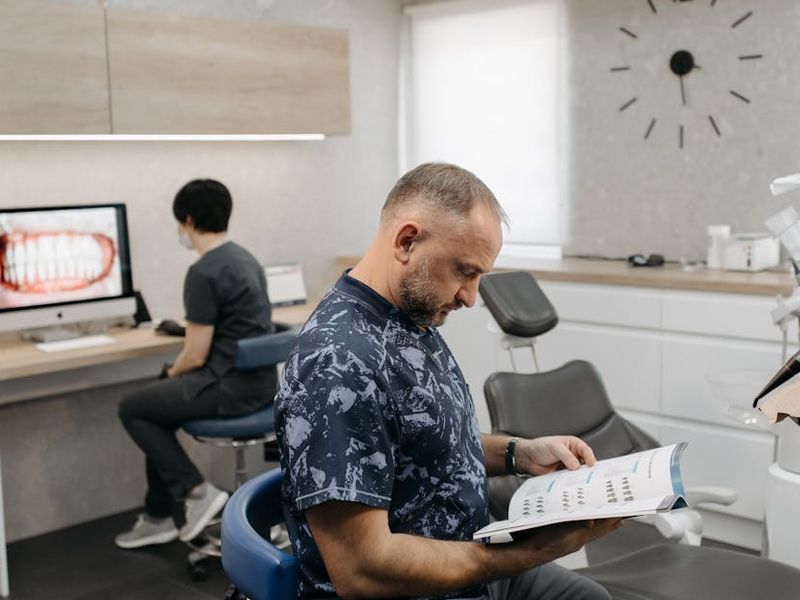
Cuenca’s dentists are trained at respected universities in Ecuador and many have additional training or residencies abroad. Clinics in the city are outfitted with modern technology: CBCT cone-beam imaging, digital intraoral scanners, CAD/CAM milling, and sterilization systems that meet international standards. Many practices participate in continuing education and maintain partnerships with dental labs that use premium materials for crowns, veneers, and implant prostheses.
Short Wait Times and Personalized Care
Another huge advantage is rapid access to care. Whereas many retirees face months-long waiting lists for complex restorations in their home countries, Cuenca clinics often provide consultations within days, and treatment can frequently be scheduled on a timetable that suits the patient. The local model emphasizes one-on-one attention — expect extended consultations, detailed treatment planning, and follow-up that feels personal rather than assembly-line.
How Dental Tourism Works in Cuenca: Typical Procedures Explained
Knowing what to expect can ease anxiety and help you structure your trip efficiently. Here are common procedures retirees pursue in Cuenca and how the process typically unfolds.
Dental Implants
Implants are a major reason people travel to Cuenca. Clinics offer full implant planning with 3D imaging, guided surgery options, and restorative services in-house or through trusted labs. Treatment timelines vary: single-tooth implants often require two visits spaced a few months apart to allow osseointegration, while some clinics offer immediate-load implant solutions when conditions allow. Discuss the implant brand and warranty, and request a written plan outlining the number of visits and expected healing time.
Crowns and Veneers
Crowns and veneers are commonly combined with implant treatments or performed independently. Many clinics use ceramic and zirconia materials milled with CAD/CAM technology for precise fits and natural aesthetics. Same-day crowns are available in many practices, while veneers typically take two visits with digital design and try-in stages. Because lab costs are lower in Ecuador, top-tier materials are often included in prices that remain far below North American costs.
Full-Mouth Restorations
One of the most compelling values in Cuenca is that retirees often can choose comprehensive treatment plans — such as multiple implants, full-arch bridges, or hybrid prostheses — at prices that would be impossible back home. This means transforming oral function and esthetics in an affordable and professionally managed way.
Combine Treatment with a Healing Vacation
Cuenca is known for its spring-like climate year-round, clean air, and scenic river views — features that make it an ideal recovery environment after dental procedures. Retirees can plan gentle excursions, low-impact activities, and restful days in picturesque neighborhoods that encourage healing.
Comfortable Recovery, Natural Beauty
The city’s elevation (about 2,560 meters) and stable temperatures mean light layers are usually all you need. Plan to stay in Cuenca for the initial healing phase — typically 7–14 days after oral surgery — to reduce travel stress and ensure timely follow-up care. Strolls along the Tomebamba River, peaceful plazas, and nearby parks provide low-effort options to get fresh air without strain.
Culture, Cuisine, and Gentle Activities
Cuenca’s historic center is a UNESCO World Heritage site with colonial architecture, artisanal markets, and relaxed cafés. It’s easy to blend recovery with enrichment: morning café visits, museum afternoons, and scenic drives to nearby archeological sites. Gentle activities like botanical garden visits, short day trips to Cajas National Park for light nature walking, or cultural outings to artisan workshops keep spirits high without jeopardizing recovery.
Practical Planning: How to Prepare for a Dental Trip to Cuenca
Smart planning ensures your dental vacation goes smoothly. Below are actionable tips tailored to retirees.
- Verify credentials: Ask for dentists’ licenses and continuing education certificates, and consider clinics that list international affiliations or membership in professional organizations.
- Request a detailed treatment plan: Get a written estimate that breaks down fees, materials, timelines, and the number of visits required.
- Ask about imaging and technology: Confirm the clinic uses CBCT scans, intraoral scanners and digital workflows if you want precise planning and faster lab turnaround.
- Review before/after photos: A clinic’s portfolio and patient testimonials give insight into aesthetic outcomes and technical quality.
- Check follow-up and warranty policies: Understand what’s covered if an issue arises after you return home and how remote consultations are handled.
- Plan for recovery time: Schedule at least 7–14 days in Cuenca after surgery; longer if multiple implants or grafts are involved.
- Arrange travel logistics: Flights to Ecuador usually arrive in Quito or Guayaquil; a short domestic flight or a scenic 3–4 hour bus lays you into Cuenca. The local airport (Mariscal La Mar) serves regional flights.
- Budget for incidentals: Factor in accommodations, local transportation, meals, and a small cushion for unplanned follow-up visits.
What to Expect on the Ground in Cuenca
Cuenca is friendly to international visitors and has a robust expat support network. Many dental clinics offer English-speaking staff, airport pickup, and concierge services to coordinate appointments. Accommodations range from centrally located boutique hotels to furnished long-term rentals, allowing retirees to choose the comfort level and budget they prefer.
Language and Communication
While Spanish is the official language, dental clinics that serve international patients typically provide bilingual coordinators or translators. Clear communication is prioritized during consultations and consent processes, so patients feel confident about the plan before treatment begins.
Payment and Costs
Most clinics accept credit cards, bank transfers, and cash. Always get a detailed receipt and confirm whether the quoted price includes lab fees, anesthesia, medications, and follow-up visits. Bringing a digital copy of your medical and dental history helps the treating team understand your background quickly.
Safety, Standards, and Follow-Up Care
Safety is paramount. Cuenca’s top clinics follow strict sterilization protocols and use high-quality materials comparable to those used worldwide. Before booking, ask about infection control, staff training, and clinical hygiene practices. Discuss an emergency plan and get a clear understanding of post-op instructions.
Remote Follow-Up and Local Support Networks
Many clinics offer remote follow-up via video calls to monitor healing once you return home. There is also a supportive expat community and local English-language clinics should you need in-person checks. Keep your clinic’s contact information and any written post-op instructions easily accessible while you travel.
Real Savings, Real Smiles: Examples of Value
To put value into perspective: the same budget that might cover a single implant and crown in North America can often afford multiple implants and a set of porcelain crowns in Cuenca. That kind of purchasing power can be a game-changer for retirees wanting to regain full function and confidence in their smiles.
Balancing Price and Quality
Choose clinics that prioritize long-term outcomes over the cheapest price alone. A slightly higher local price for superior materials and a skilled prosthodontist is still likely to be far less than the cost of comparable care back home — and it can yield a more durable, aesthetic result.
Final Thoughts: Why Retirees Keep Choosing Cuenca
Cuenca offers a unique convergence of benefits for dental tourists: world-class dental training, modern clinics with advanced technology, dramatic cost savings, and an utterly restorative city where recovery is pleasurable rather than inconvenient. Add short waits, personalized one-on-one care, and the ability to pair essential dental work with a memorable vacation, and it’s easy to see why retirees repeatedly choose Cuenca for implants, crowns, and veneers. For many, it’s not just an affordable alternative — it’s the best place in the world to renew oral health and regain confidence for retirement years.
If you’re considering dental travel, take a few weeks to research clinics, compare detailed treatment plans, and plan a recovery stay in Cuenca. With sensible planning, you can receive outstanding dental care and return home with a healthier mouth, a restored smile, and memories from one of Ecuador’s most charming cities.