
Table of Contents
Introduction: Dental Tourism Meets Vacation in Cuenca
If you’re considering dental implants, crowns, or veneers, Cuenca, Ecuador deserves a top spot on your shortlist. This charming UNESCO-listed city combines dramatically lower prices, highly trained clinicians, modern clinics with advanced technology, and a peaceful, spring-like climate ideal for recovery. In short: Cuenca delivers top-quality dentistry and an unbeatable dental vacation experience that many people around the world now choose over costly domestic care.
Massive Cost Savings Without Compromising Quality
One of the most compelling reasons patients choose Cuenca is the cost. Dental implants and full-mouth restorations in the U.S. and Canada often run into thousands of dollars per tooth. In Cuenca, comparable implant procedures typically cost 60–70% less. For example, while a single implant with crown can cost between $2,500–$5,000 in North America, the same treatment in Cuenca often ranges from $700–$1,500. That’s the difference between a routine dental trip and the ability to afford multiple implants, upgraded materials, or premium restorative options.
Those savings allow you to get higher-end implant systems, additional restorative work, or even extend your trip into a genuine vacation—without sacrificing clinical standards. When you factor in airfare and accommodation, many patients still save a significant amount while receiving exceptional care.
World-Class Dentists Educated at Top Programs
Cuenca’s dental community includes professionals trained at Ecuador’s best dental schools and many who pursued post-graduate studies and specialty certifications abroad. It’s common to find dentists with advanced training in implantology, prosthodontics, periodontics, and oral surgery obtained in the United States, Europe, and Latin America. These clinicians often belong to professional associations and attend international conferences—ensuring they stay current with global best practices.
Beyond degrees, what sets Cuenca apart is the hands-on experience: high case volumes, bilingual staff, and an emphasis on personalized, one-on-one care. Many clinics cater specifically to international patients and are accustomed to communicating clearly about treatment plans, timelines, and follow-up.
Modern Clinics, Cutting-Edge Technology, and In-House Labs
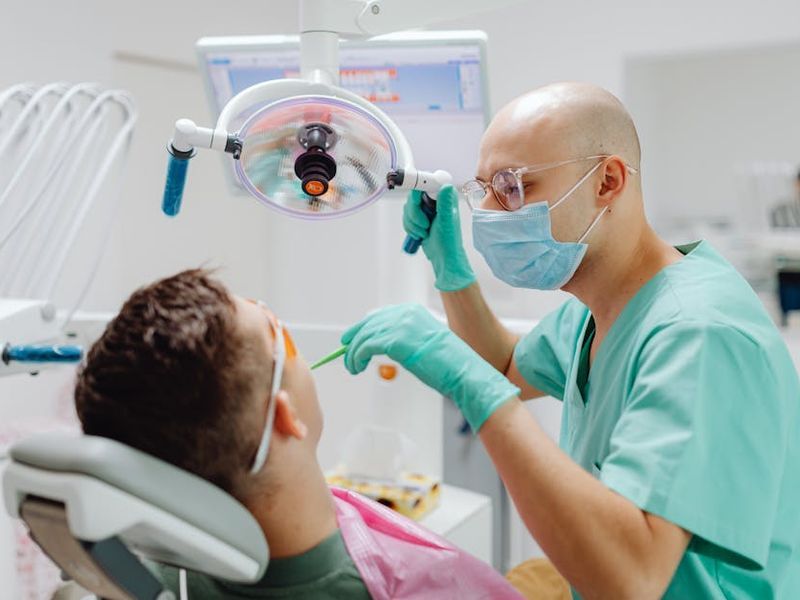
Clinics in Cuenca are frequently outfitted with the same technology you’d expect in bigger cities: cone beam CT (CBCT) scans for 3D imaging, digital intraoral scanners, CAD/CAM milling, and 3D printing for surgical guides and temporary restorations. These tools increase precision, reduce chair time, and enable predictable implant placement and prosthetic outcomes.
Many dental centers also have in-house dental labs staffed by experienced technicians. That speeds turnaround on crowns and veneers and allows for close collaboration between dentist and lab to achieve ideal color matching and fit. Clinics often use reputable implant brands—Nobel Biocare, Straumann, and others—so you’re not sacrificing materials when you choose Cuenca.
How a Typical Dental Implant Vacation in Cuenca Works
Dental implant treatment can be tailored to the patient’s needs and schedule. Here’s a typical timeline for an implant vacation that combines efficiency with healing time:
- Day 1: Consultation and imaging. Most clinics will schedule a comprehensive consultation, CBCT scan, and intraoral impressions on your first day. Many practices offer teleconsults ahead of travel so you arrive prepared.
- Day 2: Surgery (implant placement). Implant placement can often be completed in a single visit under local anesthesia or sedation. Many patients stay in Cuenca for several days for initial recovery.
- Initial recovery: 3–10 days. Swelling and discomfort are typically mild and manageable with prescribed meds. Resting in Cuenca’s mild climate and scenic parks promotes recovery.
- Osseointegration period: 2–4 months. The implant fuses with bone. During this time, patients return home but often come back for the final prosthetic phase or use a local dentist for temporaries. Many clinics schedule follow-up visits and communicate via email/phone.
- Final restoration visit: 1–3 days. After integration, you return for abutment placement, impressions, and crown/bridge delivery. With CAD/CAM and in-house labs, final restorations can be quicker and extremely accurate.
For patients requiring faster solutions, many clinics in Cuenca offer immediate-load options like All-on-4, where a full-arch fixed provisional is placed the same day as surgery. These procedures require careful case selection and advanced surgical planning, which Cuenca clinicians can provide.
Recovery in a Beautiful, Low-Stress Setting
Cuenca’s mild, spring-like weather and walkable historic center make it an ideal recovery destination. Strolling around Parque Calderón, sipping coffee by the Tomebamba River, or enjoying quiet neighborhoods like San Sebastián provides gentle activity without strain. The city’s altitude (about 2,560 meters or 8,400 feet) is something to be mindful of—some visitors notice mild shortness of breath during the first day—but the cooler climate also helps reduce swelling and inflammation.
Beyond the physical setting, Cuenca offers an array of comfortable recovery accommodations: quiet boutique hotels, short-term furnished apartments, and health-oriented eateries with soft, nutritious food perfect for post-op healing. The friendly local and expat communities add a personal touch—many patients find emotional support and helpful recommendations that make recovery easier and more pleasant.
Combine Dental Care with Adventure and Culture
A dental vacation in Cuenca isn’t just about treatment—it’s an opportunity to pair healthcare with cultural immersion. Cuenca’s UNESCO-listed historic center, artisan markets, and nearby natural attractions like Cajas National Park make it easy to plan gentle sightseeing and nature walks between dental visits. Because costs are lower, many patients extend their stay to explore Ecuador’s beaches, cloud forests, and Amazon Basin before or after their dental work.
This blend of effective treatment and travel is why many patients return to Cuenca—not only for the savings and clinical quality but for the chance to heal in a place they enjoy exploring.
How to Choose the Right Clinic: Practical Tips
Choosing a clinic is one of the most important steps. Here’s a practical checklist to guide your decision:
- Ask for before-and-after photos and full case histories of similar procedures.
- Confirm the implant brand and materials used—reputable brands mean better global support.
- Request details about imaging (CBCT, digital scans) and whether the clinic uses surgical guides.
- Verify sterilization protocols and clinic accreditations or association memberships.
- Discuss sedation options, pain management, and whether an anesthesiologist is available for complex cases.
- Clarify warranties, follow-up care, and emergency contact procedures once you return home.
- Read patient reviews on independent platforms and ask for references from prior international patients.
Many clinics offer dental tourism coordinators who handle logistics like airport pickup, hotel recommendations, and follow-up scheduling. That level of service reduces stress and ensures a smoother trip.
Travel Logistics: Getting to Cuenca and Getting Around
Cuenca is accessible via its international airport (small and convenient) and by domestic flights from Quito or Guayaquil. You can also fly into Quito or Guayaquil and take a comfortable bus or short domestic flight to Cuenca. Taxis and ride-share services are inexpensive, and most clinics offer airport pick-up and drop-off as part of their package.
Plan for the altitude. While most healthy travelers acclimate quickly, if you have significant respiratory or cardiac conditions consult your physician first. Pack comfortable clothing, a light jacket for cooler evenings, and any prescription medications you need—Ecuadorian pharmacies are plentiful, but bringing what you rely on is safest.
Payments, Guarantees, and Follow-Up Care
Payment arrangements vary—many clinics accept major credit cards, bank transfers, and cash. Because treatment involves multiple stages, discuss the financial schedule: deposit policies, what is included in quoted prices (materials, sedatives, imaging), and what may be additional (e.g., bone grafts, extractions, emergency visits).
Ask about warranties and what happens if complications arise after you return home. Reputable clinics will have a clear follow-up plan and often coordinate with your local dentist or provide remote consultations. Make sure you get written documentation of all work done, including implant brand/serial numbers, radiographs, and surgical reports to share with your local provider if needed.
What to Expect During Your Visits: Personalized, One-on-One Care
One of Cuenca’s standout advantages is the personalized attention patients receive. Clinics often limit daily patient loads to ensure each person gets thorough time with the dentist. That means your questions are answered, treatment is explained in detail, and care is adapted to your comfort.
Short wait times are typical compared to busier dental tourism markets—appointments are scheduled so your time is respected. Many patients appreciate how clinics coordinate multiple specialists (surgeon, prosthodontist, lab tech) in-house, minimizing back-and-forth and accelerating treatment timelines.
Real-World Cost Examples and the Value Equation
To make the economics clear: suppose you need two implants and two crowns. In North America, that could easily total $8,000–$12,000. In Cuenca, the same treatment (with reputable implant systems and ceramic crowns) may cost $2,500–$4,000. With savings like that, many patients upgrade materials, add cosmetic enhancements like veneers, or extend their stay to recover and sightsee—making Cuenca not just a budget alternative but a value-driven choice.
Remember: value isn’t just price. It’s the combination of clinical quality, technology, aftercare, and the recovery environment. Cuenca checks all those boxes.
Potential Risks and How to Minimize Them
No medical procedure is risk-free. To minimize risks, choose a clinic with transparent protocols, verified reviews, and clear communication. Get pre-travel medical clearance if you have chronic conditions, follow all pre- and post-op instructions closely, and ensure you have a follow-up plan. Many clinics include virtual follow-ups, and arranging a local dentist for long-term maintenance is wise.
Final Thoughts: Why Cuenca Is the Best Place for Dental Implants and Dental Vacations
Cuenca’s unique combination of dramatic cost savings (typically 60–70% less than the U.S./Canada), world-classly trained dentists, modern clinics with advanced imaging and in-house labs, and a tranquil, restorative environment makes it arguably the best destination in the world for dental implants, crowns, and veneers. Add short wait times, personalized one-on-one patient care, and the chance to turn necessary dental work into a restorative vacation, and the choice becomes clear for many international patients.
If you’re exploring dental implants, start by researching clinics, asking for detailed treatment plans, and contacting practices for a virtual consult. With thoughtful planning, Cuenca offers not just an affordable solution, but a superior patient experience that blends top-tier dentistry with the joy of travel and recovery in one of Ecuador’s most beautiful cities.