
Table of Contents
Why regular dental check-ups matter — beyond a bright smile
Regular dental check-ups are more than a cosmetic routine; they are a cornerstone of lifelong health. In Cuenca, where many expats and retirees settle, maintaining oral health supports quality of life, helps prevent costly emergency care, and can even reveal early signs of systemic illnesses like diabetes and heart disease. A preventive mindset saves time, money, and discomfort.
What happens during a typical dental check-up in Cuenca?
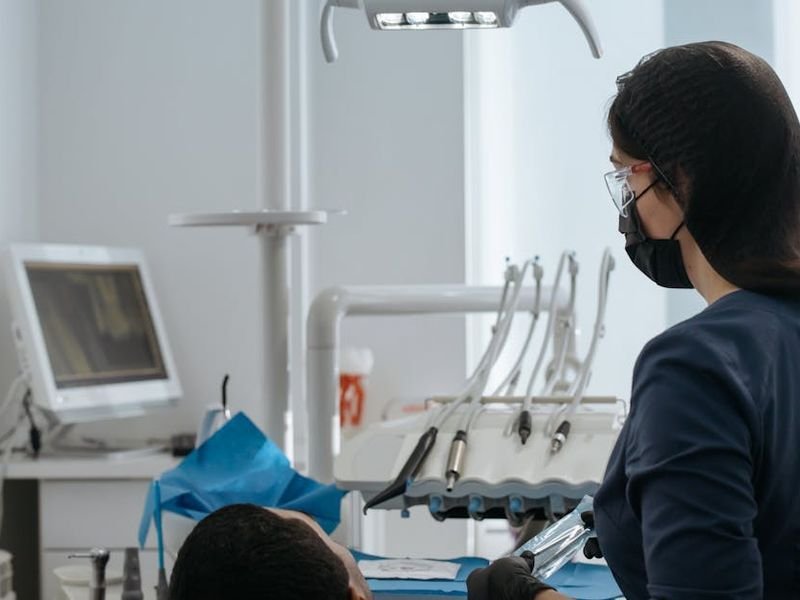
Most dental offices in Cuenca follow an efficient, thorough check-up routine. Expect a combination of the following:
- Medical and dental history review — including medications and chronic conditions.
- Professional cleaning (scaling and polishing) to remove plaque and tartar.
- Full-mouth visual exam of teeth, gums, tongue and the inside of the cheeks.
- Periodontal assessment — probing to check gum pockets and signs of gum disease.
- Digital or traditional X-rays when needed to spot cavities, bone loss or impacted teeth.
- Oral cancer screening and bite evaluation.
- Personalized recommendations — from daily care tips to treatment plans for repairs.
Dental teams in Cuenca are used to working with international patients, so a check-up visit will usually be straightforward and well-paced — allow 30–60 minutes for a routine visit.
How often should you visit a dentist?
Frequency depends on risk factors and oral health status:
- Low-risk adults: every 6–12 months for cleaning and exam.
- People with gum disease, heavy tartar buildup, or frequent cavities: every 3–4 months.
- Diabetics, smokers, or those on certain medications: closer monitoring (every 3–6 months) due to higher risk of gum problems.
- Children: visits every 3–6 months depending on decay risk; early visits establish healthy habits.
If you’re new to Cuenca, schedule an initial comprehensive exam; your dentist will recommend an interval tailored to your needs.
How oral health and overall health are connected
Research shows strong links between oral health and systemic conditions. Chronic gum inflammation can complicate diabetes control and may increase cardiovascular risks. Poor oral hygiene also affects nutrition, speech, and confidence — important considerations for expats adapting to life in Ecuador. Regular dental check-ups allow early detection of issues that can ripple into broader health concerns.
Understanding dental costs in Cuenca — a practical overview
One reason international residents choose Cuenca is affordability. While prices vary by clinic, the city generally offers lower fees than the U.S. or Canada for comparable services. Approximate ranges (USD) you might expect:
- Routine exam: $15–$40
- Cleaning (scaling and polish): $20–$50
- Single filling: $40–$120 depending on material
- Root canal (anterior): $150–$350; molars higher
- Crown: $200–$500 depending on material and lab quality
- Dental implant (complete): $700–$1,500+ depending on implant brand and lab work
These figures are approximate. Always ask for a written estimate and a treatment plan before proceeding. Many clinics accept cash, local bank cards, and credit cards; a few offer payment plans for larger treatments.
Choosing the right dentist in Cuenca: practical tips
Finding a dentist you trust is important. Use these steps to select a provider:
- Check credentials: look for membership in the Colegio Odontológico de Azuay or national dental associations.
- Read patient reviews on Google, Facebook expat groups, and local forums. Expats in Cuenca often share recent experiences and can recommend bilingual dentists.
- Visit clinics near central areas like the Historic Center (around Parque Calderón) or along major avenues — convenient locations make follow-ups easier.
- Ask about sterilization procedures (autoclaves, single-use items) and infection control — modern clinics should explain their protocols clearly.
- Inquire about language: many dentists in Cuenca speak at least some English, but if you’re not comfortable, bring a translator or use a bilingual receptionist.
- Get a second opinion for major work like implants or full-mouth rehabilitation; tastes and approaches vary.
What to bring to your first dental appointment in Cuenca
Prepare to make your visit efficient and productive. Bring:
- Your passport or ID and any local insurance or IESS card if applicable.
- A list of medications and known allergies.
- Previous dental records or X-rays if available (digital copies are ideal).
- Questions and a list of concerns: sensitivity, pain, previous treatments, or cosmetic goals.
- Cash or card for payment; ask in advance about accepted payment methods.
Emergency dental care in Cuenca: when to act fast
Not all dental issues wait for scheduled visits. Seek urgent care if you experience:
- Severe toothache that wakes you at night or causes fever.
- Facial swelling, difficulty breathing or swallowing — seek immediate medical attention.
- Trauma with a knocked-out tooth — save the tooth in milk or saline and see a dentist within an hour if possible.
- Uncontrolled bleeding following an extraction or injury.
Many private clinics in Cuenca offer same-day appointments for emergencies. Identify an emergency dentist when you first arrive so you’re prepared outside normal hours.
Special considerations for expats and retirees
Expats in Cuenca often benefit from regular dental care because:
- Lower costs make consistent preventive care affordable, reducing the need for complex procedures later.
- If you’re here long-term, establish a dental home — the same clinic and hygienist — for continuity of care.
- Seniors should monitor dentures, bone loss, and medications that affect saliva and gum health.
- If you plan to travel back home occasionally, coordinate major procedures so follow-up visits can be completed locally in Cuenca or at home.
Consider joining local expat groups where members share dentist recommendations, price expectations, and tips for bilingual providers.
Preventive habits to pair with check-ups
Check-ups are most effective when paired with consistent daily care. Simple steps make a big difference:
- Brush twice daily with fluoride toothpaste for two minutes.
- Floss daily or use interdental brushes; gum disease often starts between teeth.
- Limit sugary snacks and acidic drinks; stay hydrated — dry mouth increases decay risk.
- Use an antimicrobial mouthwash if recommended by your dentist.
- Wear a night guard if you grind your teeth (bruxism), especially if you wake with jaw pain.
These steps reduce the frequency and cost of professional interventions and help preserve natural teeth longer.
Planning for larger dental work in Cuenca: a roadmap
If you need extensive treatment (crowns, implants, full-mouth restorations), plan carefully:
- Get a full treatment plan and timeline in writing, including materials and warranties.
- Understand how many visits are required and the healing time between steps — implants, for example, require months for osseointegration.
- Ask about the brand and source of prosthetics and implants; reputable materials matter for longevity.
- Consider coordinating with a dentist in your home country for follow-up or contingency plans if you travel frequently.
Many patients choose Cuenca for major dental work because of cost savings, but thorough planning avoids surprises and ensures quality.
Questions to ask on your first visit
Don’t be shy — a good dentist welcomes questions. Ask:
- What is my current oral health status and risk level?
- How often should I come back for cleanings or monitoring?
- What preventive steps do you recommend for my specific needs?
- If I need treatment, what are the options, costs, and expected outcomes?
- What sterilization methods do you use, and do you provide written estimates?
Clear communication builds trust and ensures your expectations align with the clinic’s approach.
Wrapping up: build a dental routine that fits life in Cuenca
Regular dental check-ups are an investment in comfort, health, and confidence — and Cuenca makes preventive care accessible and affordable. Whether you’re a long-term expat, a snowbird, or rotating between countries, establish a local dental home, follow preventive habits, and prioritize timely visits. With a little planning, you can enjoy Cuenca’s rich lifestyle while keeping your smile healthy for years to come.
If you’re new to the city, start by asking for recommendations from fellow expats, schedule an initial comprehensive exam, and use that appointment to build a long-term plan. A proactive approach now can prevent emergencies and costly treatments later — and that’s peace of mind worth smiling about.