
Table of Contents
Why Cuenca’s Markets Deserve a Spot on Your Itinerary
Cuenca’s markets are far more than shopping stops — they’re living hubs of community, flavor and craft. Whether you’re an expat stocking your pantry, a visitor looking for authentic souvenirs, or a resident seeking weekly staples, the city’s markets give you direct access to small-scale farmers, bakers and makers. In one morning you can taste seasonal fruits, chat with a cheese producer and discover a hand-woven shawl priced far below what you’ll find in tourist shops.
Markets in Cuenca reflect the region’s climate, geography and indigenous craft traditions: highland tubers and leafy greens sit beside tropical fruits from the nearby valleys, while wool textiles and silverwork show the skills passed down through generations. This guide walks you through the best markets for produce and crafts, with practical tips for navigating each one like a local.
How to Choose the Right Market for You
Not all markets are the same. Some are huge, chaotic central markets where you can do a full grocery run; others are specialized — a flower market, a weekend farmers’ fair, or an artisan plaza. Consider what matters most to you: morning freshness, lowest prices, organic options, or handicrafts. Also think about timing — weekday mornings are quieter; weekends attract both locals and visitors.
Bring reusable bags, small bills (ones and twenties in local currency), and comfortable shoes. Many vendors prefer cash, though some artisan stalls accept cards via mobile points-of-sale. A basic Spanish phrasebook or translation app will help you navigate product names and bargaining in a friendly way.
Mercado 10 de Agosto (Central Market) — The Best Place for Everyday Produce
Mercado 10 de Agosto is Cuenca’s bustling central market and the go-to for everyday groceries. Long corridors packed with stalls sell everything from bulk rice and dried beans to fresh cheese, eggs, and the wide variety of Andean vegetables. If you want to experience the city’s food culture, this is the place to start.
What to buy: seasonal fruits (like tree tomatoes and granadilla when in season), a variety of potatoes, fresh herbs, panela (raw cane sugar), local cheeses, empanadas and fresh bread. The market also has fish vendors and a small meat section.
Tips: Go early — around 7:00–9:00 a.m. — for the freshest selection and friendlier prices. Bring a tote or basket because vendors bag produce by weight. If you’re staying in an apartment, ask vendors to cut larger items into smaller portions to avoid waste.
Plaza de los Artesanos (Artisan Plaza) — Handicrafts Near the City Center
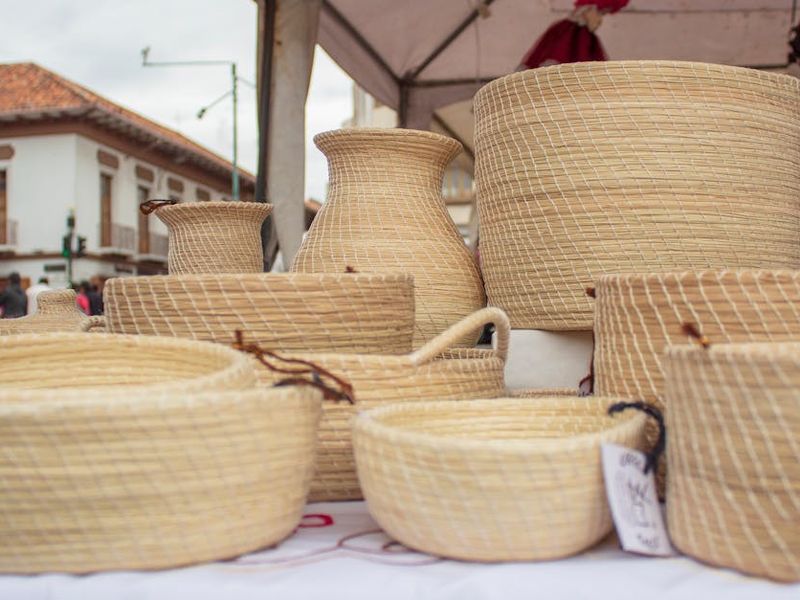
If you’re hunting for textiles, silver jewelry, ceramics or classic Cuencan hats, head to Plaza de los Artesanos. This open-air cluster of stalls near the historic center concentrates artisan goods in one convenient location, making it easy to compare styles and prices.
What to buy: handwoven ponchos and scarves, knitted alpaca garments, silver filigree jewelry, pottery and small home décor items. Many artisans travel from nearby highland and valley communities, so you’ll find a range of traditional and contemporary designs.
Tips: Inspect stitching and finishes closely to evaluate quality. Ask about the fiber content — alpaca, baby alpaca and sheep wool look similar but differ significantly in softness and price. If a vendor claims a piece is ocean-sourced shell or ivory substitute, be cautious; ask about origin and sustainability.
San Francisco / La Merced Artisan Corridors — Crafts with a Story
Near the San Francisco and La Merced churches you’ll find informal artisan corridors and weekend stalls where makers display small-batch goods. These spots are great when you want to buy from someone who can tell a story about the piece: who made it, where the materials came from, and the meaning behind patterns.
What to buy: embroidered bags, hand-painted raw clay items, embroidered napkins, and small wood carvings. Vendors often accept reasonable offers because their goal is local sales rather than tourist mark-up.
Tips: Bring a camera and ask permission before photographing artisans at work. A casual conversation often yields better prices and insight into care instructions (for example, how to wash embroidered textiles without shrinking them).
Flower Market and Produce Stalls — Bright Blooms & Local Ingredients
Cuenca’s flower vendors are a visual treat, often clustered near food markets. Flower stalls are perfect for brightening an apartment or gifting. Adjacent produce stalls sometimes specialize in items like herbs, edible flowers and microgreens — ingredients that are harder to find in supermarkets.
What to buy: roses, native Andean flowers, fragrant herbs, and seasonal fruit for snacking. Flowers are affordable and sold both by the stem and in small bouquets.
Tips: If you’re planning a dinner, ask a vendor for edible flowers or herbs to garnish dishes — local sellers are happy to suggest pairings. Cut stems at an angle and put them in water immediately; floral foam is rare, but a clean jar works fine.
Farmers’ Fairs & Organic Markets — Fresh, Local, and Often Sustainable
Look for weekly farmers’ fairs (ferias agroecológicas) that bring small producers into city parks. These fairs focus on organic and agroecological produce, heritage grains, farm cheeses and sometimes artisanal honey and preserves. They’re excellent if you want traceability — you can ask a farmer directly how crops were grown.
What to buy: organic vegetables, farm cheeses, grass-fed dairy, raw honey, fermented products, and heirloom potatoes or corn varieties. Producers often bring small-batch preserves and natural soaps as well.
Tips: These fairs usually start early and wind down by mid-afternoon. Go early for the best selection and ask about storage for delicate items (e.g., fresh cheeses should be refrigerated quickly). Bring cool bags if you plan to buy perishable goods and have a cooler in your vehicle.
Neighborhood Markets — Everyday Convenience with Local Character
Beyond the big central market, every neighborhood in Cuenca has smaller markets and street vendors that provide a more local flavor. These are great for topping up supplies, picking up a single fruit or sampling street food without the tourist crowds.
What to buy: avocados, plantains, local snacks, fresh juices and occasional artisan stalls. These markets are also where you’ll see long-term residents doing their weekly shop — a great place to people-watch and practice Spanish.
Tips: Prices may be slightly higher than the central market, but vendors are often more flexible if you’re a regular. Carry small change and, if you’re planning to return, bring a cloth bag to be remembered — regular customers get friendlier service.
How to Bargain Respectfully and Save Money
Bargaining in Cuenca’s markets is normal at artisan stalls and in some produce sections, but it’s always done politely. Start by asking the price and counting your change. If you want a lower price, offer about 10–20% less than the asking price depending on the item and vendor. For large purchases or mixed bundles, vendors are more willing to negotiate.
Practical tips: make an offer, then wait silently — many sellers will respond. Don’t haggle aggressively over very small items; it’s often not worth straining the social interaction. Compliment the quality or craftsmanship before asking for a discount — that builds rapport.
Transport, Storage, and Bringing Goods Home
If you’re living in Cuenca or staying for an extended period, think about how you’ll transport and store fresh goods. Markets rarely have grocery-grade packaging, so bring insulated bags for long walks or bus rides. For longer trips, ask a vendor to wrap items in paper and then use bubble wrap or towels around fragile crafts.
Storage tips: root vegetables and tubers last longer in a cool, dry place; leafy greens do best when washed, spun dry, and wrapped in a kitchen towel before refrigerating. Fresh cheeses keep best in small sealed containers with a bit of their whey; if you buy large wheels, ask vendors to cut a smaller portion for easier storage.
Payment, Safety, and Health Considerations
Cash is king in markets — have small denominations ready. Increasingly, artisan vendors accept card payments via mobile devices, but connectivity can be intermittent. Keep your wallet in an inside pocket and avoid flashing cash; pickpocketing is uncommon but easier to attempt in busy corridors.
Food safety: Most vendors follow local practices, but if you have a sensitive stomach, eat cooked foods and avoid raw street salads unless they look freshly prepared. When buying dairy, ask whether cheese is fresh; refrigerated cases are preferable to unrefrigerated piles. If you’re unsure about washing produce, use bottled water or a produce-safe wash.
Seasonality: What to Expect Month by Month
Cuenca’s mild Andean climate means many things are available year-round, but certain fruits and vegetables have peak times. For example, tropical fruits like mangoes and papayas are more abundant in the warmer lowland seasons, while high-altitude crops like chochos (lupini beans) and certain potato varieties peak in harvest windows.
Tip: Ask vendors what’s at its peak — they’ll often point you to the sweetest fruit or most flavorful tomatoes. Buying seasonally not only saves money but gives you the best taste and supports local growers.
Supporting Sustainable and Local Producers
Choosing small farmers and local artisans supports community livelihoods and reduces your carbon footprint. Look for signs of sustainable practice: local labeling, minimal plastic packaging, and vendors willing to discuss their methods. If you care about animal welfare, ask about cheese production and whether animals are pasture-raised.
Tip: Consider buying slightly imperfect produce — farmers often sell “segunda” (second-grade) items at a discount. They’re just as nutritious and make great options for soups, stews and baking.
Final Tips for Market Success in Cuenca
1) Go early for freshness and fewer crowds; mid-morning is when produce is replenished. 2) Take time to taste and ask questions — vendors love to talk about their products. 3) Carry small bills and reusable bags. 4) Combine a market visit with a nearby café for a bite — many markets have food stalls serving local favorites like hornado, encebollado or llapingachos. 5) Keep a small cooler for perishable purchases if you plan to shop across multiple markets in a day.
With a little planning, visiting Cuenca’s markets can become one of your favorite local rituals. You’ll leave with delicious ingredients, unique handmade items and, most importantly, a deeper connection to the people and traditions that make the city so special.