
Table of Contents
Why Cuenca’s Slow Pace Feels So Different
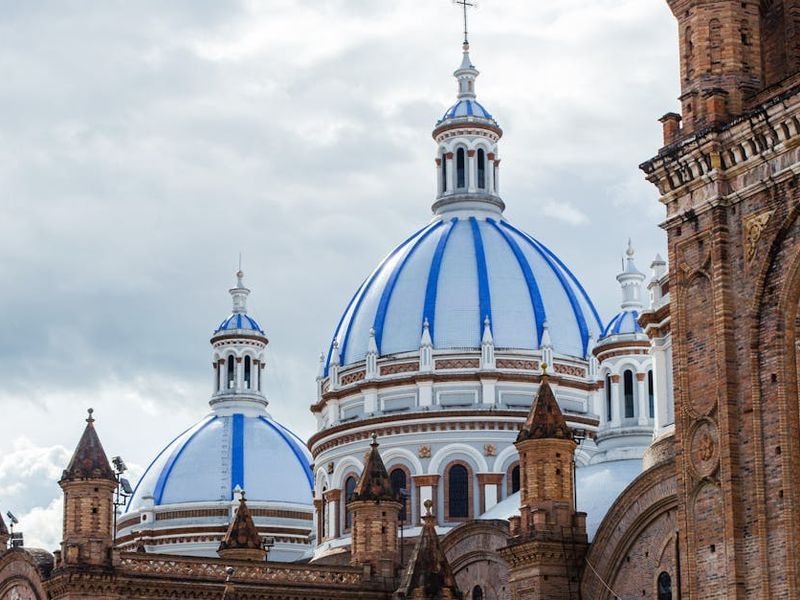
Cuenca, Ecuador’s jewel in the southern Andes, moves at a tempo that rewards patience. With its UNESCO-listed historic center, blue-domed cathedral, riverside promenades and temperate mountain climate, the city gently nudges newcomers away from the fast-track culture many expats are used to. The rewards are real—less stress, more time to savor coffee, and a chance to sink into a neighborhood community—but the adjustment can be disorienting if you expect services, transactions, and decision-making to happen with the same speed you left behind.
Start by Resetting Expectations
One of the first steps to embracing Cuenca’s relaxed lifestyle is to reset your expectations. Public offices, shops and even some modern businesses often follow a slower rhythm: longer lunch breaks, fewer instant responses, and a different sense of urgency. Instead of fighting the pace, view it as an opportunity to practice patience. Bring a book to appointments, allow extra time for bureaucratic processes, and understand that a slower pace can mean friendlier, more personal interactions.
Practical tips
- Give yourself at least 30–60 minutes extra for in-person errands.
- Confirm appointments ahead of time and arrive early to avoid stress.
- Use downtime to learn Spanish, explore a new corner of the city, or enjoy a café along the Tomebamba River.
Find the Neighborhood That Matches Your Tempo
Cuenca has neighborhoods to fit different comfort levels with the city’s pace. If you thrive on walkability and activity, the historic center (El Centro Histórico) offers cafes, markets and cultural life steps from your door. For quieter residential life with parks and local grocery stores, look a little further out toward developing neighborhoods and tree-lined avenues. Turi, known for its mirador (viewpoint) and artisan market, is popular for sightseeing and weekend strolls.
What to consider when choosing where to live
- Noise level: The historic center is lively; residential districts are calmer.
- Accessibility: Proximity to medical facilities, banks and grocery stores matters more here because trips tend to take longer.
- Walkability: Cobblestone streets are charming but bring sturdy shoes.
Adjust Daily Routines to Local Rhythms
Cuenca’s mild, spring-like climate (it sits at about 2,560 meters / 8,400 feet) means outdoor routines are pleasant year-round, but weather and daylight can affect how people plan their days. Many businesses slow down during midday when people eat their main meal (almuerzo). Instead of fighting this, restructure your day to take advantage of quieter mornings and leisurely afternoons.
Simple routine changes that help
- Do focused errands and appointments in the morning when offices are busier.
- Reserve afternoons for social activities, language practice, or longer meals.
- Dress in layers—mornings and evenings can be cool while midday warms up.
Master Local Shopping: Markets, Stores and Bargaining
One of the joys of living in Cuenca is access to fresh produce, artisanal goods, and neighborhood bakeries. The city’s markets are more than shopping destinations—they’re social hubs where vendors know regulars by name. Learning how to shop like a local will save money and deepen your sense of belonging.
How to shop smart
- Visit Mercado Central and smaller neighborhood mercados for seasonal fruits, vegetables, cheese and panaderías (bakeries).
- Bring cash in small denominations—many stalls don’t accept cards and sellers appreciate exact change.
- Polite bargaining can work at artisan stalls but expect fixed prices for packaged goods and supermarkets.
- Supermarkets like Supermaxi or smaller tiendas are convenient for staples, but weekly trips to markets are ideal for freshness and variety.
Transportation: Walk, Bus, Taxi—and a Little Patience
Cuenca is a very walkable city, with pleasant promenades along the Tomebamba and Yanuncay rivers and a compact historic core. Public buses are inexpensive and cover most routes; drivers often expect exact change and are used to a relaxed boarding process. Taxis are plentiful and affordable—agree on a fare when the driver doesn’t use a meter—and ride-hailing apps may be available intermittently.
Getting around tips
- Wear comfortable shoes for cobblestones and occasional steep streets.
- At night, choose licensed taxis or trusted ride services; keep the driver’s number if you’re in a familiar area.
- For weekend trips or exploring Cajas National Park, consider organized tours or renting a car—roads are generally good but mountain driving requires caution.
Healthcare and Security: Practical Steps to Feel Secure
One of the reasons expats choose Cuenca is access to quality healthcare at comparatively affordable prices. Ecuador has both public and private healthcare systems, and many private clinics offer English-speaking staff or translators. Enroll in private insurance or the national IESS if you plan to stay long-term.
Healthcare planning tips
- Identify a nearby clinic and pharmacy when you move in; pharmacies often dispense over-the-counter meds with helpful guidance.
- Keep copies of important documents and a small medical kit at home for minor ailments.
- Ask fellow expats or local doctors for trusted specialists if you need long-term care.
Learn the Language—and Use It Regularly
Spanish opens doors in Cuenca. Even a basic vocabulary makes daily life smoother and shows respect for local culture. Immersion doesn’t mean perfection—locals appreciate the effort and are generally patient with learners.
Practical ways to practice
- Join a language exchange or take classes at local Spanish schools; many offer small-group or private lessons.
- Practice phrases while shopping or ordering in cafés—the rhythm is relaxed so you’ll have time to try new words.
- Use local meetups to practice conversational Spanish and meet neighbors.
Make Community—Friendliness Is the Currency of Cuenca
Cuenca’s social life is often community-based. From artisan markets to churches, parks and local clubs, opportunities to connect are everywhere. The central plazas, especially Parque Calderón, are natural gathering spots where families, musicians and artisans mix.
Ways to build social life
- Attend community events and Sunday markets to meet neighbors and vendors.
- Volunteer with local non-profits or cultural centers—this fast-tracks friendships and offers insight into local needs.
- Join expat groups, hobby clubs, or sports teams. There are English-language meetups, dance classes, and hiking groups for Cajas National Park excursions.
Embrace Local Food and Slower Meals
Food in Cuenca is about comfort and local tradition. Share long lunches (almuerzos), try the rotisserie chicken and soups (caldos), or sample street snacks from vendors along plazas and riversides. Meals are social events here—take your time and enjoy the unhurried conversation.
Taste-of-Cuenca tips
- Try regional specialties at family-run restaurants and mercados for authentic flavors at good prices.
- Enjoy café culture along the river—Cuencanos value a good cup of coffee and an easy chat.
- Be adventurous with seasonal produce and ask vendors for preparation suggestions.
Use Nature to Reset: Parks, Riverwalks and Cajas
One of the best ways to adapt to Cuenca’s relaxed pace is to spend time outdoors. The city’s river promenades, plazas and nearby Cajas National Park give you space to breathe, walk and reflect. Regular time in nature lowers stress and helps you adopt the local rhythm.
Outdoor activities to try
- Morning walks along the Tomebamba River to watch the city wake up.
- Weekend hikes in Cajas National Park—there are trails for varying fitness levels and spectacular lake scenery.
- Picnics in Parque Calderón or smaller neighborhood parks to soak in local life.
Handle Bureaucracy with a Calm Checklist
Bureaucratic processes like residency paperwork, banking and utilities can be slower than you expect. Prepare a checklist, bring required documents, and build in extra time for appointments. There are local advisors and expat services that help navigate these systems; they’re worth the investment if you want to reduce stress.
Checklist essentials
- Original documents and notarized copies (passport, birth certificate, marriage certificate, etc.)
- Proof of address—rent receipts or utility bills are commonly requested.
- Local phone number and emergency contacts saved in your phone and on paper.
Celebrate Small Rituals and Slow Wins
Adjusting to Cuenca isn’t just about logistics; it’s about appreciating small rituals: the predictable breakfast from a favorite panadería, a weekend market visit, a slow conversation with a neighbor. Celebrate these small wins. They’re evidence of belonging and will help you develop a deeper attachment to your new home.
Ritual ideas to adopt
- Make Sunday morning market visits part of your routine.
- Invite neighbors for coffee after a successful errand or celebratory lunch.
- Keep a simple journal of discoveries—favorite streets, vendor names, and little kindnesses you encounter.
When the Pace Feels Too Slow: Strategies to Stay Energized
There will be days when Cuenca’s relaxed tempo clashes with your internal clock. On those days, keep a list of energizing activities that align with the city’s vibe: a brisk walk along the river, a coffee at a lively café, a volunteer shift, or an art class. Channeling restlessness into constructive local activities helps you stay connected and productive without fighting the city’s rhythm.
Final Thoughts: Let Curiosity Lead
Adapting to Cuenca’s tranquil lifestyle takes time, but the process is part of the reward. Let curiosity guide you—wander alleys in the historic center, learn the names of market vendors, practice a new Spanish phrase, or take a day trip to Cajas. The slower pace reveals layers of the city that are missed when life moves too fast. Over time, patience becomes a habit, and the relaxed rhythm turns from adjustment into home.
Remember: thriving in Cuenca isn’t about changing who you are—it’s about expanding the way you live. Take the time to savor it.