
Table of Contents
Why Walk Cuenca’s Centro Histórico?
Cuenca’s Centro Histórico is compact, layered, and wonderfully walkable: colonial architecture, riverside promenades, intimate plazas and dozens of churches are all within easy strolling distance. A walking tour lets you absorb details—blue-tiled domes, wrought-iron balconies, stone-paved streets—that a car or bus would miss. This guide gives a practical route, local tips and alternatives so you can craft a half-day or full-day exploration that fits your pace.
Quick Practicalities
Cuenca sits at about 2,560 meters (8,400 feet) above sea level, so take it easy the first day if you just arrived. Dress in layers: mornings can be cool and afternoons warm, with strong sun. Comfortable walking shoes are essential; many streets are cobblestone. Carry water, sunscreen and a small umbrella (showers can be sudden in the rainy season, October to May).
Most museums and churches open mid-morning and close in the early evening. Many small museums and artisan shops close on Mondays. Cash is handy for market purchases and small cafés; ATMs and banks are plentiful around the centro. Taxis are inexpensive if you need to hop between distant points or head up to Turi viewpoint.
Start at Parque Calderón: The Heart of Centro
Begin at Parque Calderón (sometimes called Plaza Grande), the city’s main square and a great orientation point. Surrounded by grand colonial buildings, leafy trees and a steady parade of locals and visitors, it’s a natural meeting place. Spend a few minutes people-watching, admiring the municipal building facades and mapping your route. Benches under the trees are perfect for planning.
From here you can see the New Cathedral’s iconic blue domes rising above the skyline. If you like, pop into the tourist information kiosk near the square to grab maps or ask about guided walks. Many free or tip-based walking tours also assemble here in the morning.
Visit the New Cathedral: Dome Views and Architecture
The Catedral de la Inmaculada Concepción—known to most as the New Cathedral—is the visual anchor of the centro. The cobalt-glazed domes are photogenic from almost any plaza. Inside, the nave, chapels and stained glass are worth a calm walk-through. If you can, climb one of the cathedral towers for a panoramic view over the tiles and terracotta roofs of the historic district; the climb is steeper than it looks but the vista rewards the effort.
Tip: Check for modest entrance fees and photography rules. The best light for photographs of the domes is late afternoon, when the sun warms the stone and highlights the blue tiles.
Calle Larga and Galleries: Artisan Shopping and Jewelry
From the cathedral, head down Calle Larga, a long thoroughfare known for artisan shops, galleries and boutiques. It’s a good stretch for hunting for locally made souvenirs: handwoven textiles, alpaca garments, colorful ceramics and silver jewelry. Cuenca is a traditional center for jewelry and metalworking—many small ateliers near Calle Larga craft sterling pieces, often featuring Andean motifs and gemstones.
Haggling is less common here than in open-air markets; instead, look for quality and ask about materials. Many stores will be happy to explain origins and care for fibers such as alpaca or pima cotton.
Plaza de las Flores and the Tomebamba Riverside
Make your way toward the Tomebamba River and the Plaza de las Flores, a lively flower market that spills color onto the riverbank. Vendors arrange bouquets, garlands and potted plants, creating a fragrant, photogenic scene. From the plaza, stroll the riverside walkways (riberas) along the Tomebamba. These paths trace the river’s course and are lined with manicured gardens, small bridges and vantage points that offer different views of the centro’s skyline.
Walking the riberas is a highlight: you’ll pass historic stone walls, ancient water channels and local vendors selling snacks and drinks. The river area is especially pleasant in the late afternoon when locals come out to walk, jog or sit and chat.
Museo Pumapungo: Inca Ruins and Cultural Context
For a deeper historical context, take a short detour to Museo Pumapungo. The museum combines archaeological galleries with well-preserved Inca terraces and ruins in its gardens. Exhibits often include pre-Colombian artifacts, textiles, and explanations of the indigenous cultures that shaped the region. The gardens are also home to reconstructed traditional houses and an ethnographic display that helps connect the colonial architecture of the centro with the ancient cultures that preceded it.
Allow at least an hour here if you’re interested in history; the museum provides benches and informative plaques for a relaxed visit. Museum hours and small admission fees vary, and many institutions offer discounted tickets for residents or students.
Convents, Chapels and Small Museums: Hidden Gems
Cuenca’s centro is dotted with smaller religious sites and museums that reward curiosity. Look for colonial convents turned into museums, where you can see religious art, gilded altars and historical textiles. Some of the best finds are tucked behind modest facades on narrow streets: small-scale art museums, private collections and chapel museums that open mid-morning and are often quiet even during peak season.
Tip: If a door looks closed, try the bell or ask politely at a nearby shop—many places are run by small teams who will open a side entrance for visitors.
Food Stops: From Empanadas to High-End Dining
Cuenca’s food scene pairs traditional Ecuadorian fare with international options. Along the walking route, sample local snacks like empanadas de viento (light, fried empanadas), humitas (corn cakes) and fresh fruit juices. For heartier fare, try llapingachos (potato pancakes), hornado (roasted pork) or aji de cuy (guinea pig served in traditional style) if you’re adventurous.
The Centro Histórico also has an expanding roster of cafés and bistros perfect for a mid-walk break. Look for coffee shops serving Ecuadorian beans and bakeries offering warm pastries. If you plan a longer midday stop, many restaurants in restored colonial houses offer covered courtyards—ideal for relaxing and people-watching.
Markets and Street Vendors: Where to Shop Like a Local
Beyond the boutiques on Calle Larga, several markets are worth visiting. Local produce markets are lively and cheap; you can watch traditional vendors and sample seasonal fruits. The Plaza de las Flores is ideal for floral gifts and photos. For handicrafts, look for markets and stalls near the river and around small plazas—these vendors sell textiles, jewelry and small ceramics at market prices.
When buying textiles, ask about fiber content and origin. Genuine alpaca or pima cotton garments will feel different from synthetic blends, and sellers can usually explain their products. If you plan to ship purchases home, many shops offer packing or shipping services.
Rooftops and Viewpoints: Best Times for Photos
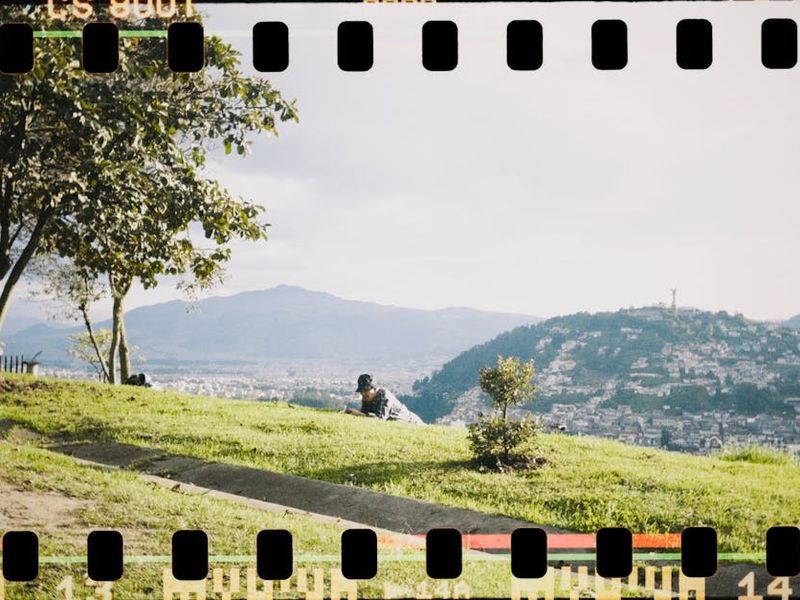
Plan to be near the cathedral or the river at sunset for beautiful light. Many hotels and restaurants in the centro have rooftop terraces or upper-story balconies where you can get unobstructed views of the domes and the layered rooftops. If you don’t want to pay for a drink, consider a short taxi ride up to the Turi viewpoint—just outside the centro—for a sweeping panorama of Cuenca at golden hour.
Photography tip: the blue domes of the New Cathedral glow in late afternoon, and early morning brings crisp light with fewer crowds. Nighttime shots can be dramatic, too—many facades are softly illuminated after dark.
Half-Day and Full-Day Itineraries
Half-day option: Start at Parque Calderón, visit the New Cathedral (including a tower climb if time allows), stroll Calle Larga and the Plaza de las Flores, then walk a section of the Tomebamba riberas. Finish with a coffee near the river.
Full-day option: Follow the half-day route, add Museo Pumapungo for deeper context, explore one or two smaller museums or convents, enjoy a leisurely lunch in a courtyard restaurant, and save late afternoon for rooftop photos or a taxi to Turi for sunset.
Safety, Etiquette and Local Customs
Cuenca is considered one of the safer cities in Ecuador, but standard precautions apply: keep valuables secure, be mindful of your belongings on crowded streets, and use reputable taxis at night. Pay attention to local etiquette in religious sites: modest dress and quiet behavior are appreciated. If you’re visiting a mass, remain respectful and follow any photography rules.
Engaging with locals in basic Spanish goes a long way—simple phrases like ‘buenos días,’ ‘por favor,’ and ‘gracias’ are appreciated. Many shopkeepers and service staff speak some English, but a few words in Spanish enhance interactions and often lead to friendlier service and better prices.
Seasonal Notes and Events
Cuenca has a lively calendar: religious festivals, art fairs and cultural events fill the year. Semana Santa (Holy Week) sees processions in the centro; Christmas and New Year’s bring lights and celebrations. Spring and fall offer the most comfortable weather for walking, though the rainy season (roughly October to May) means you should carry an umbrella. Festivals draw more locals into the centro, which can be a wonderful time to experience living culture if you don’t mind crowds.
Final Tips to Make the Most of Your Walk
- Start early to enjoy cooler air and fewer crowds.
- Bring a lightweight daypack with water, sun protection and a small reusable bag for purchases.
- Allow time to stop spontaneously—an intriguing doorway, a small gallery or a street musician can be highlights.
- Respect opening times and be flexible—the best experiences often come from wandering and discovering.
- If you have limited time, prioritize views from the cathedral tower and a riverside walk for the quintessential Cuenca feel.
Walking Cuenca’s Centro Histórico is about rhythm and discovery: pause for a coffee, step into a chapel, linger by the river and let the city’s layers reveal themselves. Whether you have a few hours or a full day, this compact, historic heart rewards slow exploration with memorable architecture, lively markets and the warmth of Ecuadorian hospitality.