
Table of Contents
Why Cuenca Feels So Calm
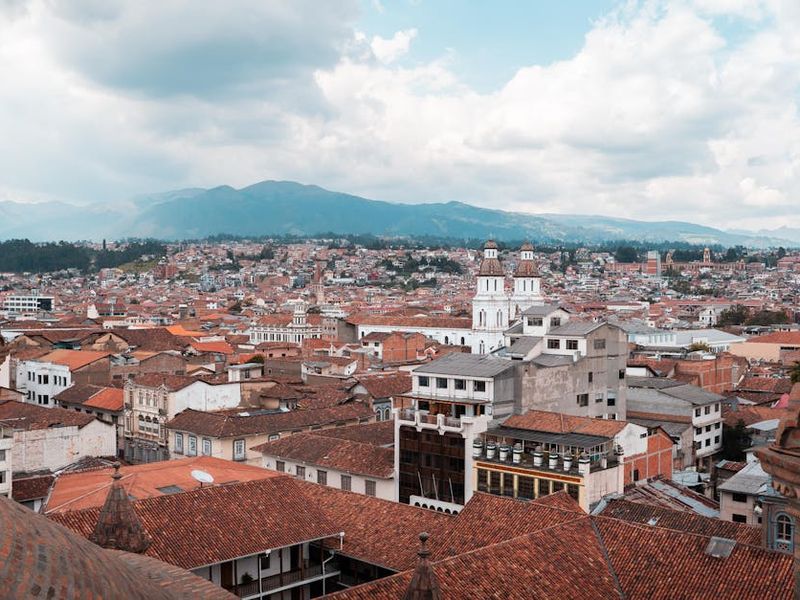
Cuenca, Ecuador, is famous for its timeless plazas, colonial architecture, and the gentle flow of the Tomebamba River. At about 2,560 meters (8,400 feet) above sea level, the city’s mild, spring-like climate and provincial size naturally slow daily life down. People move at a more measured pace than in big cities, shops close for extended lunches, and public conversation often happens in plazas rather than behind screens. Understanding the reasons behind this rhythm will make it easier to relax into it.
First Days: Practical Steps to Ground Yourself
Arriving can feel overwhelming when everything moves more leisurely. Start with a few practical tasks that make day-to-day life smooth: get a local SIM card from Claro or Movistar for reliable coverage; visit a bank or set up online banking so you don’t rely on cash all the time; pick up a reusable water bottle and sunscreen to cope with the strong highland sun. If you arrive late, book your first night close to Parque Calderón or along the Tomebamba so you can walk to basic services and orient yourself easily.
Handle the altitude with care
The thin air affects newcomers differently: common early symptoms are mild breathlessness, light headaches, or lower exercise tolerance. Move slowly the first 48–72 hours, hydrate well, avoid heavy meals the first day, and skip strenuous hikes immediately. Over-the-counter acetaminophen can help with headaches, and local pharmacies stock remedies; if you have a serious medical condition, plan ahead with your physician before travel.
Choosing Where to Live: Neighborhoods and Vibes
Cuenca’s neighborhoods each have distinct personalities. The Historic Center (Centro Histórico) is a UNESCO-protected area full of colonial houses, narrow cobbled streets, and easy access to shops, cafes, and the New Cathedral—ideal if you want an immersive downtown life. Miraflores, a quieter residential area closer to some parks and local markets, appeals to those seeking a calmer pace while still being near central amenities. Areas along the Río Tomebamba offer scenic walks and are great for people who want to be close to the riverside promenades.
When apartment hunting, prioritize walkability, daylight (many historic homes have courtyards), and proximity to a mercado for fresh produce. Furnished historic apartments are commonly available—expect different layouts and vintage charm. If you prefer modern conveniences, focus on newer buildings closer to the city’s main thoroughfares.
Daily Routine: Adapting to Local Hours and Habits
Cuenca’s day is punctuated by long lunches and an appreciation for lingering in cafés. Many businesses close between roughly 1:00–3:00 p.m. for the main meal of the day, and evening hours tend to be more relaxed than in large metropolises. Try joining this rhythm instead of fighting it: schedule errands for mid-morning or late afternoon, and use the lunchtime quiet for slower activities like reading or practicing Spanish.
Markets, bakeries, and cafés
Local mercados are the heart of daily living—fresh vegetables, herbs, cheese, and bread change with the seasons and are often less expensive than supermarket goods. Bakeries (panaderías) serve morning pastries and fresh breads; grab a coffee and a local treat for a simple ritual. Cafés near Parque Calderón or along the Tomebamba make great people-watching spots and are perfect for easing into the slower pace.
Getting Around: Walk, Taxi, or Bus?
Cuenca is highly walkable in its center, with many daily needs within a comfortable stroll. For longer trips, taxis are inexpensive and abundant—agree on a price before the ride if the meter isn’t used, or opt for rides arranged through apps or your hotel. The public bus network reaches far into neighborhoods outside the center and is economical but can be crowded at peak times.
If you enjoy cycling, there are pleasant riverside paths and quieter residential streets for riding. Remember that steep hills can be common, depending on where you live, so consider an electric bike if you plan to rely on cycling frequently.
Health, Healthcare, and Well-Being
Cuenca has reputable private clinics and hospitals, as well as public health institutions. Many expats choose private healthcare because of shorter wait times and English-speaking staff in larger facilities. Health insurance that covers local private clinics is a smart investment—research plans that suit your needs before long-term stays.
For everyday wellness, you’ll find yoga studios, gyms, and walking groups. The nearby El Cajas National Park is a favorite for day hikes (after acclimatizing), and regular outdoor activity will help you adjust physically and mentally to life at altitude.
Money, Bills, and Daily Logistics
Ecuador uses the US dollar, which simplifies budgeting for many expats. Supermarkets like Supermaxi and neighborhood tiendas provide choices between international and local brands. For quicker errands, local markets offer produce and prepared foods at lower prices. Pharmacies are plentiful and often open late, but bring prescription copies from home for chronic medications.
Setting up utilities and internet may take longer than at home—expect some bureaucracy and paperwork. Seek landlords’ help for connections, and ask neighbors for the best local internet providers. Many expats find that a combination of a reliable home connection and mobile data covers most needs.
Integration: Learn the Language and Local Customs
Spanish is the language of daily life. Even basic Spanish will earn you goodwill and smooth many small interactions. Consider enrolling in a language school or joining intercambio (language exchange) meetups—both are effective ways to make friends and speed up cultural adaptation. Be prepared that local Spanish is spoken more quickly and with different idiomatic expressions; patience and practice pay off.
Cultural etiquette matters: greetings are warm and personal, often involving a handshake or a single cheek kiss among acquaintances. Be punctual for formal appointments but flexible for social ones. Politeness, curiosity, and an open attitude will help you form meaningful connections.
Finding Community: Meetups, Volunteering, and Local Events
One of the best ways to feel at home is to participate in community life. Cuenca has a thriving expat community with active social media groups, regular meetups, and clubs focused on photography, hiking, and arts. Volunteering with local schools, cultural centers, or conservation groups allows you to meet Ecuadorians and expats while giving back.
Attend local festivals and public events—Semana Santa, civic parades, and religious processions offer a window into the city’s traditions. Museums like Museo Pumapungo and the plazas around the Catedral Nueva also host cultural activities that deepen your understanding of Cuenca’s history and contemporary life.
Work and Productivity in a Slower Environment
If you’re working remotely, the slower pace can be a blessing if you structure your day: use mornings for focused work, take a long midday break to recharge, then finish with lighter tasks. Co-working spaces and cafés with reliable Wi-Fi are available, but it’s wise to have a backup mobile hotspot for meetings. Remember that local business culture may prioritize personal relationships—building trust leads to smoother collaborations.
Dealing with Bureaucracy and Practical Hurdles
Official processes—visas, residency paperwork, and municipal services—can be slow. Keep organized records, photocopies, and translated documents when possible, and allow extra time for appointments. If you plan to stay long-term, learn the basics of the visa options (such as the pensionado category for retirees) and consult reputable immigration advisors to avoid surprises.
Safety and Smart Living
Cuenca is considered one of the safer cities in Ecuador, but petty theft like pickpocketing and occasional car break-ins happen. Take simple precautions: don’t leave valuables visible in cars, use a secure bag in crowded areas, and avoid poorly lit streets at night. Trust your instincts and ask neighbors for local safety tips—community networks are effective at sharing up-to-date information.
Practical Packing and Arrival Checklist
- Layered clothing for variable highland weather and a light rain jacket.
- Strong sunscreen and a hat for sun at altitude.
- Copies of important documents and prescriptions.
- Basic Spanish phrasebook or language app preloaded.
- A small first-aid kit and any necessary medications.
- A reusable shopping bag—markets often don’t provide plastic bags.
Embracing the Mindset: Patience, Curiosity, and Small Joys
Adjusting to Cuenca’s relaxed lifestyle is as much about attitude as logistics. Replace the urge to rush with curiosity: linger over coffee, take the long route along the river, and practice greeting shopkeepers by name. Accept delays as part of life here and celebrate the small rituals that define daily existence—a freshly baked pan de yuca in the morning, a stroll through a weekend artisan market, or a sunset view of the cathedral domes.
Long-Term Tips for Thriving
Over time, routines will replace the awkwardness of arrival. Make a point to learn a little more Spanish each month, try new local dishes (a market vendor’s recommendation is often a great start), and build a small circle of friends from different backgrounds. Save for occasional trips to explore the region—El Cajas National Park, nearby indigenous markets, and coastal escapes are all within reach—and maintain ties to your home country for support and perspective.
Final Thought: Slow Isn’t Less
Adapting to Cuenca’s relaxed tempo can be a gift: less noise, more human connection, and an easier pace for thoughtful living. By planning practical details, taking care of your health, and approaching daily life with patience and curiosity, you’ll not only adjust—you’ll likely find deeper satisfaction in a simpler, more deliberate rhythm. Cuenca won’t rush you; learn to enjoy that.