
Table of Contents
Introduction: Dental Tourism Meets Colonial Charm
Imagine replacing a full arch, getting porcelain veneers, or restoring damaged crowns while reclining in a state‑of‑the‑art dental chair — and then stepping out to stroll a flower‑lined plaza in a UNESCO colonial city. That dream is reality in Cuenca, Ecuador. For thousands of Americans and Canadians seeking high quality dental implants, crowns, and veneers, Cuenca has become the top choice for dental tourism: premium care, huge savings, fast appointments, and a recovery environment that feels like a vacation.
Why Cuenca? The Cost Advantage That Changes Everything
The most obvious draw is cost. Dental procedures in Cuenca routinely cost 60–70% less than comparable work in the U.S. and Canada. That means an implant, crown, or a set of veneers could be done for a fraction of the price at an accredited clinic with modern equipment and trained specialists. For many patients, that savings covers travel, comfortable lodging, and still leaves money in the bank compared to staying home.
These savings are not a reflection of lower quality—rather they come from lower operating costs in Ecuador combined with a competitive medical tourism market. When you factor in flight and hotel costs, a well‑planned dental vacation to Cuenca often results in paying significantly less for superior value.
World-Class Dentists with International Training
Cuenca’s dental professionals are highly trained. Many dentists complete dentistry programs in Ecuador’s top universities and then pursue advanced training or certifications in major centers like the U.S., Spain, or other Latin American countries. Continuing education is common, and many specialists attend international conferences, stay current on implant systems, and bring modern techniques back to their practices.
In addition to strong academic training, dentists in Cuenca often have years of clinical experience with international patients. That expertise shows in treatment planning, aesthetic outcomes for crowns and veneers, and predictable implant placement—skills that are crucial for long‑term success.
Modern Clinics and Cutting‑Edge Technology
Walking into many of Cuenca’s dental clinics feels like stepping into a contemporary facility anywhere in Europe or North America. Clinics invest in digital X‑rays, CBCT 3D imaging, CAD/CAM milling for same‑day crowns, laser dentistry, and high‑sterilization standards. These tools enable precise diagnoses and efficient workflows—allowing faster treatment times and better outcomes.
Many clinics offer digital smile design and use premium implant systems with documented success rates. Whether you need a single crown, a full‑mouth implant restoration, or porcelain veneers, the infrastructure to deliver excellent care exists in Cuenca.
Personalized, One‑on‑One Care — A Refreshing Contrast
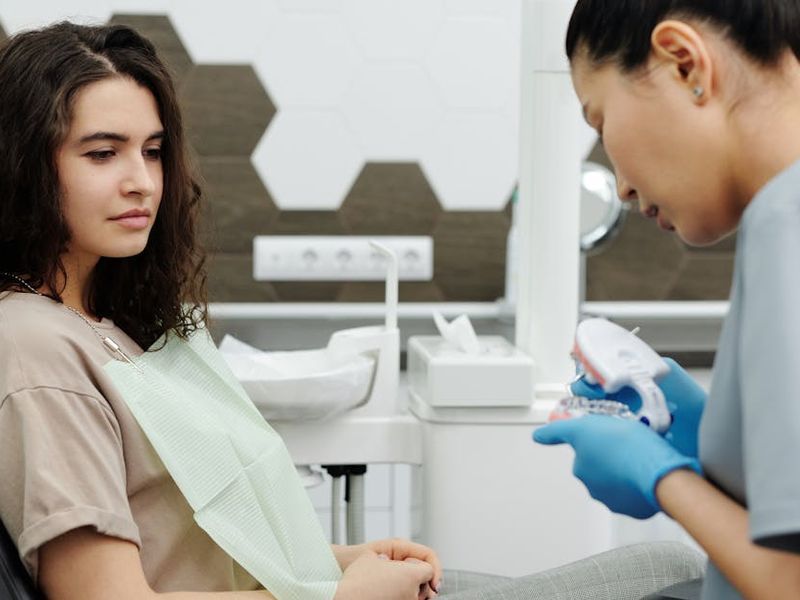
One of the most frequently mentioned benefits by dental tourists is the level of personalized attention. Clinics often provide one‑on‑one consultations with the treating dentist, English‑speaking coordinators, and attentive follow‑up. Instead of brief hurried appointments, expect consults that include detailed treatment discussions, visual simulations, and clear timelines.
This hands‑on approach extends to post‑op care. Clinics coordinate follow‑ups, provide instructions in English, and many will check by phone or messaging apps during your recovery. For patients who prize communication, this personalized model makes a profound difference.
Fast Access: Short Wait Times and Flexible Scheduling
Unlike lengthy waits for specialist appointments in some countries, Cuenca clinics typically offer quick booking and flexible schedules. Many dental tourists are able to schedule consultations and procedures within days or weeks, not months. That speed is ideal if you want to minimize time away from home and combine procedures with a compact vacation itinerary.
For complex cases, clinics will create realistic timelines—some treatments can be completed over multiple short trips, while others (such as immediate load implants or CAD/CAM crowns) can be performed during one well‑planned stay.
The Recovery Advantage: Heal in a Beautiful, Mild‑Climate City
Cuenca sits at about 2,500 meters (8,200 feet) above sea level and enjoys a perpetually mild, spring‑like climate. That gentle weather and the city’s calm, walkable neighborhoods make it an excellent recovery environment after dental surgery. Rather than recovering in a sterile hotel room or a crowded metropolitan area, patients can rest in boutique hotels overlooking the Tomebamba River, stroll flowered parks, and enjoy quiet cafés within a day or two of treatment.
For many people the psychological boost of recovering in a scenic, low‑stress setting speeds healing. Fresh markets, local soups, and easy access to pharmacies and clinics add convenience to the recovery phase. Be mindful of altitude if you have respiratory or cardiac issues—consult your physician before travel.
Combine Care with a Memorable Vacation
One of the most compelling aspects of dental tourism in Cuenca is the ability to merge healthcare with leisure. Patients plan their treatment schedules around sightseeing: consult on day one, have a procedure midweek, and use recovery days for gentle exploration. Top activities include:
- Exploring Cuenca’s historic center (Parque Calderón and the Catedral Nueva)
- Walking the Tomebamba River promenade and artisan markets in El Centro
- Day trips to Cajas National Park for easy hikes and scenic drives
- Visiting nearby hot springs and small Andean towns for cultural immersion
- Sampling local cuisine and visiting the Pan y Agua bakeries at your own pace
These options let you treat dental care as part of a restorative experience—physical healing plus mental renewal in a charming city.
How to Choose the Right Clinic in Cuenca: Practical Tips
Not every clinic is the same, so use these practical steps to select the best fit for your needs:
- Verify credentials: Ask about the dentist’s postgraduate training, implant system experience, and continuing education.
- Request before/after photos and patient references—especially for implants and cosmetic cases.
- Confirm technology: digital X‑ray, CBCT 3D scans, CAD/CAM, sterilization protocols.
- Ask about warranty and aftercare policies for implants, crowns, and veneers.
- Look for English‑speaking coordinators or staff if you’re not fluent in Spanish.
- Read reviews on Google, Facebook, and expat forums; check photos and clinic transparency.
Many clinics provide free online consultations where you can upload photos and X‑rays for a preliminary plan and cost estimate. Use that to compare options and plan a travel itinerary around treatment stages.
Typical Itineraries: What a Dental Vacation Looks Like
A typical short dental vacation for crowns or veneers might look like this:
- Day 1: Arrival, initial consultation, CBCT/X‑rays, impressions
- Day 2–3: Tooth preparation, temporary crowns/veneers, and local sightseeing
- Day 4: Fitting of permanent crowns/veneers (if CAD/CAM used, this can be same‑day)
- Day 5–7: Follow‑up checks and recovery; depart
Implant timelines vary. Some clinics offer immediate load implants which allow placement and provisional restorations in a single visit, while others stage the treatment with a healing period of a few months. Discuss options and realistic timelines during your initial consultation.
Budgeting: How Much Can You Save?
While exact prices vary, clinics in Cuenca commonly quote 60–70% lower fees than U.S. or Canadian practices for identical materials and lab work. For example, treatment that could cost tens of thousands at home may be completed in Cuenca for a fraction of that when combined with flight and lodging. Always obtain a detailed, itemized quote so you can compare apples to apples—include implant fixtures, abutments, lab fees, anesthesia, and follow‑ups.
Because Ecuador uses the U.S. dollar, budgeting is straightforward for North American visitors. Currency stability and transparent pricing help make financial planning easy and predictable.
Language, Logistics, and Safety
Spanish is the official language, but many clinics catering to international patients have English‑fluent dentists and coordinators. Communications by WhatsApp, email, and video call are common for pre‑trip planning. Clinics often arrange airport pickups, hotel recommendations, and follow‑up communication after you return home.
Cuenca is known for its safety relative to many large cities, a strong expat community, and accessible health services. Routine medications and pain relief are available at local pharmacies; for more complex medical needs, there are hospitals and specialists in the city.
Real Patients, Real Results: What People Say
Dental tourists consistently report being surprised by the level of care, the detailed attention they received, and the value for money. Patients highlight transformations—from improved chewing and speech to boosted confidence after receiving new implant‑supported teeth or beautiful porcelain veneers. Many say the emotional benefit of a peaceful recovery in Cuenca became part of why they recommend the city to friends and family.
Common Concerns and How Clinics Address Them
Concern: “What about follow‑up and complications?” Answer: Reputable clinics provide detailed aftercare plans, accessible communication lines, and connections with local emergency services. Most offer follow‑ups via telemedicine once you return home, and some partner with specialists in other countries for long‑term support.
Concern: “Is the quality the same as at home?” Answer: With credential checks, patient photos, and technology verification, many patients find the clinical quality equals or exceeds what they experienced domestically—at a fraction of the cost.
Preparing for Your Trip: Practical Checklist
- Get a thorough pre‑travel medical check if you have chronic conditions or take blood thinners.
- Share full dental records and recent X‑rays with the clinic before booking.
- Ask about antibiotics, sedation options, and local anesthesia protocols.
- Book flexible travel dates in case a small adjustment is needed.
- Pack soft foods for the first few days after surgery and plan restful activities.
Conclusion: Exceptional Value, Unforgettable Experience
Cuenca uniquely combines world‑class dental care, enormous cost savings, modern clinic amenities, short wait times, and a restorative setting for recovery. For patients considering implants, crowns, or veneers, Cuenca offers not just affordable treatment but an entire dental vacation experience: skilled dentists, sophisticated technology, personalized service, and the charm of a UNESCO city to soothe you during recuperation. If you want to transform your smile without sacrificing quality—or your savings—Cuenca is one of the best places on the planet to do it.
Next Steps
If you’re curious, start with a free online consultation: gather current dental records, ask for detailed treatment plans and timelines, and compare multiple clinics. With a little research, you can plan a smart, cost‑effective dental vacation in Cuenca that leaves you smiling — and relaxed — long after you return home.