
Table of Contents
Why Cuenca is a Top Choice for Dental Tourism
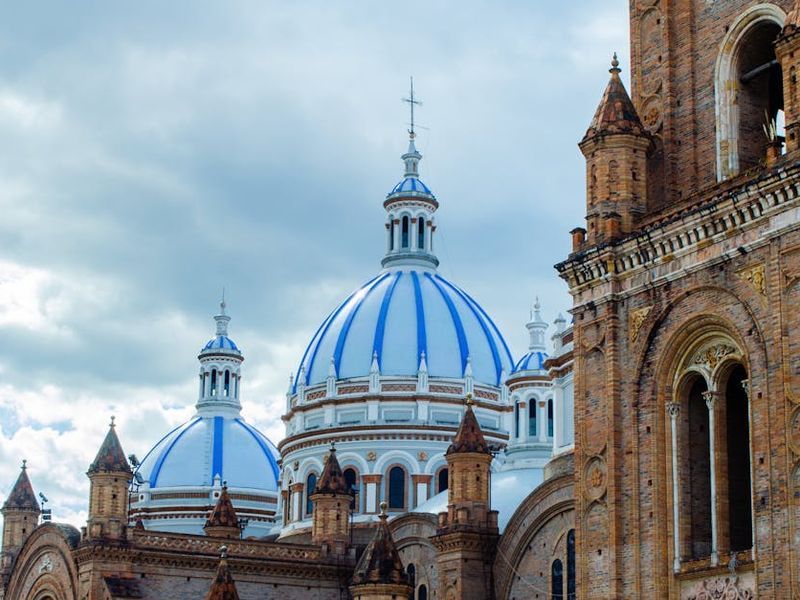
Cuenca, Ecuador, has become one of the most popular spots in South America for dental tourists seeking quality care at a lower cost. The city combines skilled clinicians, modern clinics, and a comfortable, walkable historic center that makes recovery pleasant. Add to that Ecuador’s use of the U.S. dollar and a large expat community, and it’s easy to see why many people pick Cuenca for crowns, implants, veneers, and cosmetic dentistry.
What to Expect: Common Treatments and Typical Savings
Dental tourists commonly travel to Cuenca for implants, porcelain crowns, veneers, root canals, and full-mouth restorations. Prices vary, but you can typically expect savings of 40–70% compared to U.S. and Canadian fees. For ballpark figures (varies by clinic and materials):
- Single dental implant: approximately $700–$1,500
- Porcelain/zirconia crown: $150–$500
- Veneers (per tooth): $150–$400
- Full-arch implant-supported prosthesis: $8,000–$25,000+
Always request a detailed estimate including materials, brand names (implant system, crown material), imaging, and follow-up visits so you can compare apples-to-apples.
Step-by-Step Planning Guide
1. Start with Research
Begin by compiling a short list of clinics. Look for:
- Clear websites with staff bios and photos of the clinic
- Before-and-after galleries and patient testimonials (preferably on third-party review sites)
- Evidence of continuing education and certifications
- English-speaking staff or an interpreter service if you need it
Useful keywords to search: “dentist Cuenca”, “implantes en Cuenca”, “clínica dental Cuenca inglés”.
2. Verify Credentials and Ask the Right Questions
In Ecuador dentists are credentialed through provincial dental associations and the national regulatory bodies. Ask the clinic to confirm registrations with the Colegio Odontológico del Azuay or equivalent organizations. Key questions to ask:
- Which implant brands do you use? (Straumann, Nobel, Zimmer, BioHorizons, etc.)
- Is there an on-site lab or do you work with an external dental lab? How long does lab work take?
- Do you offer guarantees or warranties on crowns/implants and what are their terms?
- Can you provide before/after photos of similar cases and references from international patients?
3. Share Your Dental Records
Before traveling, ask your home dentist for x-rays, intraoral photos, periodontal charting, and any CBCT scans you already have. Send these to the Cuenca clinic so they can provide a preliminary treatment plan and cost estimate. This also helps them determine whether you need an initial consult visit only or if work can begin during your first trip.
4. Decide on the Treatment Timeline
Many procedures require more than one visit (implant placement then healing then crown delivery). Options to reduce travel:
- Find a clinic with CAD/CAM technology (CEREC) or an on-site lab for same-day crowns when appropriate.
- Plan two separate trips: one for surgery and another for prosthetics after healing.
- Consider staged treatments — prioritize urgent care on the first trip and cosmetic follow-up later.
Travel Logistics: Getting to and Staying in Cuenca
Getting There
Cuenca’s Mariscal La Mar Airport (IATA: CUE) has regular flights from Quito and Guayaquil. If you’re flying from the U.S., most travelers connect in Quito (UIO) or Guayaquil (GYE) and take a domestic flight to Cuenca. Bus travel is an option and offers beautiful scenery but can be long (6–10 hours depending on route).
Where to Stay for Convenience and Comfort
Choose accommodations close to where you will receive treatment. Popular neighborhoods include El Centro (historic old town near Parque Calderón) and areas along the Tomebamba River where many clinics and labs are clustered. Staying within walking distance of the clinic reduces stress and travel time after procedures. Look for hotels or rentals that offer quiet rooms, easy access to pharmacies, and flexible check-in/out policies in case of appointment changes.
Local Transportation and Safety Tips
Cuenca is generally safe, but plan for reliable airport transfers and transportation on the days of procedures. Arrange a clinic pickup or book a reputable taxi service. Many clinics provide pickup as part of patient packages. For longer stays, use radio taxis or arrange rides through your hotel. Keep your passport and medical documents in a secure place and carry local currency (USD) for small purchases or pharmacy needs.
Language, Communication and Cultural Considerations
Spanish is the primary language. Many dentists and clinic staff in Cuenca speak English, particularly those who work with international patients, but don’t assume it. Ask if an English-speaking coordinator will be available. Learn a few basic Spanish phrases related to pain levels and allergies, and always confirm medication names and dosages in writing.
What to Pack and Practical Pre-Travel Tasks
- Bring all dental records and imaging on a USB drive and in emailed form.
- Pack a small travel medical kit with antiseptic mouth rinse, ibuprofen, acetaminophen, and any prescription meds you take regularly.
- Include soft foods for recovery (protein drinks, yogurt, instant soups) and an electrolyte drink.
- Bring a travel pillow, comfortable shoes, and layers — Cuenca’s elevation (~2,560 m / 8,400 ft) makes the weather spring-like year-round.
- Confirm your international health / travel insurance covers complications from elective procedures; consider additional coverage if not.
During Your Visit: What to Expect in the Clinic
Modern Cuenca clinics often provide private consultations, digital x-rays, and sterile environments comparable to North American standards. Many clinics will ask you to sign informed consent that outlines risks, benefits, and alternatives. Expect to undergo a thorough oral exam including periodontal assessments; implant cases will usually require CBCT imaging for precise planning.
Sedation and Anesthesia
If you need sedation (oral sedatives, IV sedation, nitrous oxide), confirm the dentist’s anesthesia credentials and whether an anesthesiologist is present for IV sedation. Discuss pre-op fasting rules and arrange someone to accompany you to the clinic and drive you back to your accommodation if sedation is used.
Aftercare, Recovery, and Follow-Up
Follow the clinic’s aftercare instructions precisely. Common recommendations include rest for 24–48 hours after surgery, avoid strenuous activity for several days, sleep elevated for a day or two to reduce swelling, and follow the antibiotic and pain-control regimen if prescribed. Plan to stay in Cuenca for a reasonable healing window—at least 5–7 days for minor surgeries and 1–2 weeks for more involved work like extractions plus implants. For implant surgery, full osseointegration can take 3–6 months, so coordinate follow-up appointments or arrange to have a local dentist at home provide interim care if needed.
Where to Get Supplies and Emergency Care
Cuenca has well-stocked pharmacies where you can fill prescriptions quickly—bring the exact medication names and dosages. For emergencies after hours, know your clinic’s on-call procedure and the location of the nearest hospital. Many clinics provide emergency contact numbers and will assist with urgent complications.
Quality Control: How to Minimize Risk
- Get multiple quotes and compare not only price but proposed materials, implant brand, and lab details.
- Request a written treatment plan with timelines and guarantees.
- Ask for references from international patients and read independent reviews.
- Prioritize clinics that use modern sterilization protocols, digital imaging, and documented outcomes.
Sample Questions to Ask Your Cuenca Dentist
- What is the complete cost breakdown (surgery, material, imaging, anesthesia, lab fees)?
- Which implant and prosthetic brands will be used and why?
- Can you explain the full timeline from surgery to final restoration?
- What complications should I expect and what is your emergency policy?
- What kind of warranty do you provide for crowns and implants?
Smart Scheduling and Seasonal Tips
Cuenca’s weather is mild but has wet periods typically during certain months; many patients prefer the drier months (June–September) for travel. Avoid booking major procedures right before local holidays or festival weeks when clinics may close. Book appointments well in advance to secure your preferred dentist and to coordinate any required imaging or lab work.
Final Checklist Before You Go
- Confirm appointments and transportation; request airport pickup if available.
- Send your current dental records and photos to the clinic and get the preliminary plan in writing.
- Verify payment options—most clinics accept major credit cards, bank transfers, and cash (USD).
- Purchase or confirm travel insurance that includes medical evacuation and post-procedure complications.
- Pack necessary medications, dental records, and a list of allergies or medical conditions.
Enjoying Cuenca While You Heal
Recovery days in Cuenca can be pleasant: stroll the scenic Tomebamba River (avoid strenuous walks right after surgery), enjoy gentle outings to local museums, and savor mild Ecuadorian fare—or stick to soft foods while you heal. Cuenca is a UNESCO World Heritage city with comfortable services for expats and visitors, well-located pharmacies, and English-capable clinics, making it an ideal place to pair dental care with a restorative trip.
Parting Advice: Balance Cost with Care
Dental tourism to Cuenca can save you thousands and provide excellent outcomes—when you do your homework. Prioritize clear communication, verified credentials, material transparency, and sensible travel and recovery planning. With the right preparation, a dental vacation in Cuenca can be both safe and transformative: quality treatment in a beautiful, welcoming city.
If you’re ready, start by requesting records from your dentist, compiling a short list of Cuenca clinics, and scheduling an initial teleconsultation. Treat it as an informed medical trip—plan carefully, and enjoy the benefits of affordable, quality dental care in Ecuador.