
Table of Contents
Welcome to the Southern Highlands
Stretching along the southern spine of Ecuador, the southern highlands combine colonial charm, vibrant local culture, and lush mountain landscapes. This region centers on Cuenca — a UNESCO World Heritage city — and fans southward to the artistic hub of Loja and the relaxed, long-lived vibe of Vilcabamba. Whether you’re planning a first visit or a slow-paced expat exploration, this guide gives practical routes, must-see attractions, food tips, and realistic itineraries to help you experience the best of these three destinations.
Why Visit Cuenca, Loja and Vilcabamba?
Each place has a distinct personality. Cuenca is an architectural and cultural jewel with museums, markets and a lively expat scene. Loja is Ecuador’s musical and arts capital, surrounded by cloud forests, waterfalls and biodiverse parks. Vilcabamba, perched at a lower elevation, draws visitors for its pleasant climate, simple lifestyle and hiking. Together they present a balanced southern highlands experience: city culture, mountain wilderness and restful valley life.
Practicalities: Getting There and Getting Around
Arriving by Air
Cuenca’s Mariscal La Mar Airport (CUE) is the main gateway by air for this circuit. Daily flights connect Cuenca with Quito and Guayaquil. If you fly in to Quito or Guayaquil, consider an internal connection to save time — the bus rides are scenic but longer.
Buses and Driving Between Cities
Buses remain the most common way to travel between these towns. The interprovincial terminals in Cuenca and Loja offer frequent departures; trips are comfortable and affordable. Expect variable travel times because mountain roads are winding and sometimes slower than maps suggest. Typical travel times are a few hours between Cuenca and Loja and under an hour from Loja to Vilcabamba. If you prefer more flexibility, rent a car for scenic drives—just be ready for narrow mountain roads and occasional livestock crossings.
Local Transport
Within cities, taxis are practical for short trips—use hotel-recommended drivers, taxi stands, or apps if available. Walking is the best way to explore Cuenca’s historic center; Loja’s downtown is also highly walkable. For rural outings, minibuses (colectivos) and shared taxis are economical and common.
Cuenca: Historic Streets, Museums and Markets
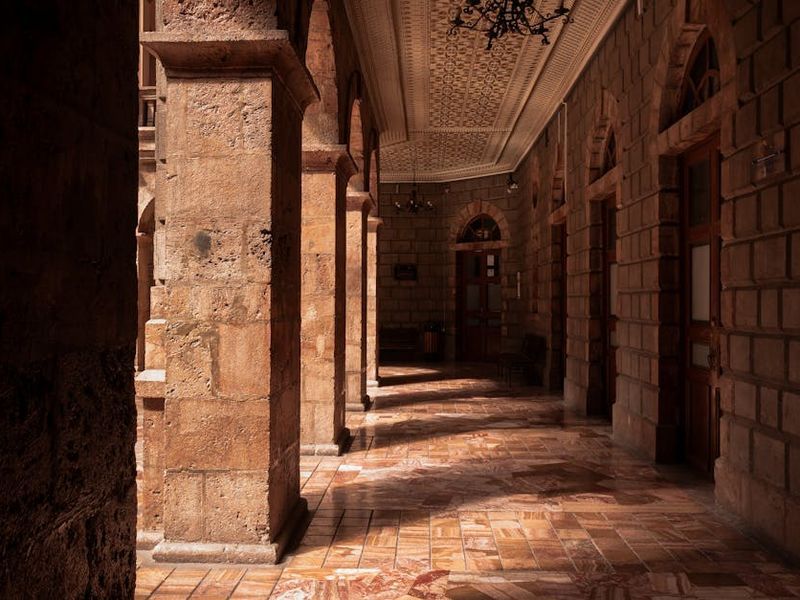
Cuenca’s colonial core is compact, making it easy to explore on foot. Start at Parque Calderón and follow the streets that fan out across the Tomebamba River. Key attractions include the cathedral with its iconic blue domes, Museo Pumapungo (archaeology and ethnography), and the terraces and bridges along the river that are perfect for sunset strolls.
Neighborhoods and Views
Climb to Mirador de Turi for sweeping panoramic views of the city and the surrounding Andes — it’s a classic photo stop. For a quieter vibe, explore El Barranco along the riverside and the artisan shops on Calle Larga, where you’ll find Panama hats (toquilla straw hats), leatherwork, and silver jewelry.
Food and Markets
Cuenca has a dynamic food scene that mixes traditional highland dishes with international options popular with expats. Try local specialties such as hornado (roast pork), locro de papa (creamy potato soup), llapingachos (potato pancakes), and cuy (guinea pig) if you’re feeling adventurous. Daily markets and Mercado 10 de Agosto are where locals shop for fresh produce, cheeses and traditional snacks. For coffee and baked goods, the cafes near Calle Larga and Parque Calderón are excellent.
Day Trips from Cuenca
Cuenca makes a great base for quick escapes. Cajas National Park is a scenic half-day or full-day trip ideal for hiking among glacial lakes and páramo landscapes—dress warm and bring water and snacks. The artisan towns of Gualaceo and Chordeleg are nearby and famous for textiles and silverwork respectively; they’re perfect for souvenirs and watching traditional crafts in action. For history buffs, the Ingapirca ruins—the largest known Inca site in Ecuador—are a rewarding day trip northwest of Cuenca.
Loja: Music, Mountains and Cloud Forests
Loja has a slower tempo than Cuenca and a strong cultural identity tied to music and the arts. You’ll find intimate theaters, small galleries and regular live music. The city’s plaza and tree-lined streets invite relaxed afternoons, and the cooler nights are perfect for café hopping.
Natural Highlights Around Loja
Podocarpus National Park and surrounding cloud forests are biodiversity hotspots within easy reach. Birdwatchers and nature lovers come for orchids, hummingbirds and rare species—bring binoculars and a local guide for the best experience. Nearby waterfalls and scenic viewpoints offer short hikes and photo opportunities without long trekking.
Local Flavors and Tips
Local cuisine reflects mountain agriculture: hearty stews, fresh trout from mountain streams, and corn-based dishes. Loja’s central market is a good place to taste regional snacks. If you visit performance venues or galleries, check schedules ahead of time—many concerts and festivals reflect Loja’s reputation as a musical city.
Vilcabamba: The Valley of Longevity
Vilcabamba sits at a lower elevation with a warmer climate, which is part of why it earned the nickname the “Valley of Longevity.” Today, the town is known for a relaxed, wellness-oriented community of locals, expats and visitors. You’ll find organic eateries, yoga studios and small eco-lodges nestled among eucalyptus and fruit trees.
Outdoor Activities
Vilcabamba is an excellent base for easy to moderate hikes, horseback rides and waterfall visits. Trails lead through dry forest and riverside canyons to natural swimming holes and vantage points. The pace here is slow—ideal for recovery days between longer trips in the highlands.
Staying and Eating
The lodging range is wide: simple guesthouses to boutique lodges with river views. Dining skews local and healthy—think fresh salads, grilled trout, and international dishes influenced by the long-term traveler community. Weekly markets and street food stalls offer inexpensive meals and an authentic taste of local life.
Health, Safety and Local Customs
Altitude varies in the region—Cuenca is high enough that some travelers notice mild symptoms like shortness of breath or headaches. Take it easy the first 24–48 hours, stay hydrated, and avoid heavy exertion until you feel comfortable. Vilcabamba’s lower elevation generally feels easier on the lungs.
Basic safety practices apply: keep valuables secure, use registered taxis at night, and be mindful of your surroundings in crowded markets. Healthcare quality in Cuenca and Loja is generally reliable; carry travel insurance and have a list of recommended clinics from your hotel if you need care.
When interacting with locals, a friendly greeting and a few Spanish phrases go a long way. Ecuadorians are polite and appreciate respectful behavior—ask permission before photographing people in markets, and be open to conversation about local life and culture.
Best Time to Visit and What to Pack
The southern highlands are pleasant year-round, but weather varies. Drier months typically run through mid-year, offering clearer skies for hiking and sightseeing. Rainier months bring vibrant green landscapes and occasional afternoon showers. Pack layers—temperatures can swing from cool mornings to warm afternoons—and always include a waterproof layer and sturdy walking shoes.
- Essentials: sunscreen, hat, reusable water bottle, daypack
- Clothing: layers, warm sweater for evenings, rain jacket
- Gear: binoculars for birding, trekking poles for steep hikes, power adapter
Sample 7–10 Day Itinerary
To help organize your trip, here’s a balanced route that showcases culture, nature and relaxation.
- Day 1–3: Cuenca — explore the historic center, museums, markets, and a sunset at Mirador de Turi.
- Day 4: Day trip to Cajas National Park or a combo trip to Gualaceo and Chordeleg for crafts shopping.
- Day 5: Bus to Loja — settle in, enjoy local music or an evening stroll through the plaza.
- Day 6: Explore Podocarpus or a nearby waterfall; sample regional foods at the market.
- Day 7–8: Vilcabamba — slow down with hikes, spa sessions, and riverside walks.
- Day 9–10: Return to Cuenca for any last shopping, museums or a farewell dinner.
Responsible Travel Tips
Support local artisans by purchasing directly in markets and family-run shops. Respect protected areas by staying on designated trails, dispossessing waste and following rules in national parks. Try to eat locally sourced food—this benefits small farmers and gives you an authentic culinary experience.
Final Recommendations
The southern highlands blend the best of Ecuador: layered landscapes, living traditions, and welcoming communities. Spend time wandering side streets in Cuenca, listening to Loja’s music scene, and taking slow mornings in Vilcabamba. With a flexible itinerary and an openness to serendipity, you’ll find that each town delivers its own lasting impression of Ecuador’s southern Andes.
Ready to plan your visit? Begin with flight or bus reservations into Cuenca, set aside a few days for acclimatization, and build a route that balances sightseeing with slow travel—this region rewards both curiosity and leisure.