
Table of Contents
Overview: Quito to Cuenca — what to expect
Quito and Cuenca sit on the spine of the Andes, separated by roughly 450–500 kilometers depending on the route you choose. That distance can feel very different depending on whether you catch a one-hour flight, take an overnight bus, or drive yourself through highland towns and volcanic scenery. This guide breaks down the practical differences between bus, plane and car travel, offers real-world tips for each option, and highlights stops you might want to add if you have time.
Key facts and quick comparison
- Distance: ~450–500 km by road (Panamericana/E35).
- Typical travel times: Flight ~1 hour (air time); Bus 8–10 hours depending on service and stops; Driving 7–10 hours depending on stops and traffic.
- Main departure points: Buses leave from Terminal Terrestre Quitumbe (Quito); flights depart Mariscal Sucre International Airport (UIO).
- Arrival in Cuenca: Terminal Terrestre (buses) or Mariscal Lamar Airport (CUE) for flights; downtown Cuenca sits at ~2,560 m elevation.
Traveling by bus: budget-friendly and scenic
Buses are the most economical way to travel and are popular with locals and long-term travelers. If you want to save money and don’t mind a longer journey, the bus is a sensible choice. Overnight buses are common and can save you a night’s accommodation.
Where to catch the bus in Quito
Head to Terminal Terrestre Quitumbe in the south of Quito for services heading to Cuenca and points further south. Buy tickets at the terminal kiosks, bus company offices, or use online booking platforms like Bookaway or Busbud to reserve seats for busy travel dates.
Types of buses and ticket classes
Long-distance services vary from standard coaches with basic recliners to more comfortable buses with larger reclining seats and extra legroom. Some offer onboard toilets, Wi-Fi, and power outlets—amenities vary widely so check descriptions before you book. Overnight buses usually provide blankets and sometimes snacks.
Practical bus tips
- Travel time: Plan for 8–10 hours. Night services often leave Quito late evening and arrive in Cuenca early morning.
- Fares: Expect low prices compared with flights—generally the most economical option. Book early in high season (December, Easter, national holidays).
- Luggage: Most long-distance buses include checked luggage in the fare, typically one large bag and one carry-on. Confirm weight limits.
- Comfort: Bring a neck pillow, layers (highland temperatures change), earplugs and snacks. Motion sickness medication can help on winding mountain sections.
- Safety: Official terminals and well-known companies are safe, but watch your belongings and avoid accepting food or packages from strangers while onboard.
Flying: fastest and often most convenient
Domestic flights from Quito to Cuenca are short — about an hour in the air — and are a great option if you’re short on time or want to avoid a long ride. Several Ecuadorian carriers operate routes between Mariscal Sucre International Airport (UIO) in Quito and Mariscal Lamar Airport (CUE) in Cuenca.
Departure and arrival logistics
Quito’s airport is located outside the city in Tababela, roughly 45–60 minutes from central Quito depending on traffic. Factor this transfer time when planning. Cuenca’s airport is close to the city (about 20–30 minutes), and taxis or airport transfers are plentiful.
Booking, baggage and price expectations
Airfare fluctuates by season and how far in advance you buy. Book early for holiday windows. Keep an eye on baggage allowances—basic fares can be restrictive: carry-on only or low checked-baggage weight. Arrive at the airport at least 90 minutes before domestic departures during busy periods.
When to fly — pros and cons
- Pros: Fast, less fatigue, useful for short trips or tight itineraries.
- Cons: More expensive than bus, check-in and transfers add time, weather can sometimes delay mountain flights.
Driving: flexibility and scenic side trips
Renting a car is ideal if you want to explore at your own pace. Driving from Quito to Cuenca lets you stop at towns, viewpoints and attractions not accessible by bus. The main route follows the Panamericana (E35), passing through highland agricultural towns and offering spectacular volcano views.
Practical driving information
Distance and drive time depend on stops and traffic. Expect 7–10 hours of driving time without extended stops. The route climbs and descends high Andean passes and traverses narrow sections in a few towns — drive cautiously and be prepared for changing weather.
Recommended stops if you drive
- Latacunga — a good breakfast stop with bakeries and markets.
- Ambato — for lunch; sample local fruit markets and the famous hornado (roast pork) at traditional eateries.
- Riobamba — historic center and gateway to mountain train excursions (Devil’s Nose area at Alausí is a worthwhile train side trip).
- Alausí and the Devil’s Nose — short detour for dramatic mountain rail engineering and viewpoints.
- Ingapirca archaeological site — a 1–1.5 hour detour north of Cuenca; Ecuador’s best-preserved Inca ruins.
Driving tips and safety
- Drive during daylight when possible — mountain roads, livestock and slow trucks are harder to see at night.
- Watch for weather: fog, rain, and sudden cold at high elevations. Bring warm layers and a good heater in the car if traveling at night.
- Fuel and tolls: fill up in larger towns where options are more common; tolls exist but are usually inexpensive.
- Navigation: mobile signal is generally good along the Panamericana, but download offline maps or bring a physical map for remote stretches.
Suggested itineraries and who each option suits
Choosing the best travel mode depends on priorities like budget, time and interest in exploration.
Best for budget travelers
Take a direct bus — book a daytime service for scenic views or a night bus to sleep on the move and save on accommodation. Bring snacks and water; buy a seat near the front for a smoother ride.
Best for quick trips or business travel
Fly. Flights are short and frequent. Combine with a transfer service in Cuenca to reach the historic center quickly. Watch baggage rules if you’re carrying work materials or equipment.
Best for road-trip lovers and explorers
Rent a car and plan a multi-day trip with stops in Ambato, Riobamba and Ingapirca. Add side trips to Cajas National Park once you reach Cuenca for hiking and lake views.
Practical matters in Cuenca — once you arrive
Cuenca is compact and pedestrian-friendly with a UNESCO-listed historic center, cobblestone streets, markets, museums and plazas. Whether you arrive by bus or plane, here are a few things to know:
- From the bus terminal: taxis and city buses can bring you to the historic center in 15–30 minutes depending on traffic. Agree on a price or insist the meter is used.
- From the airport: official taxis or hotel shuttles are straightforward; rides to the center are short.
- Parking: if you drove in, many hotels and hostels offer parking. Downtown, spaces are limited and some streets are one-way or pedestrian-only.
- Altitude: Cuenca sits at ~2,560 m. You’ll likely feel more comfortable here than in Quito (which is higher), but take it easy for the first day and drink plenty of water.
Scenic detours and things to do en route
The geography between Quito and Cuenca is one of Ecuador’s highlights. Consider building time into your schedule for some of the following stops:
- Baños de Agua Santa (slight detour east from Ambato) — for thermal baths, waterfalls and adventure sports.
- Devil’s Nose (Nariz del Diablo) at Alausí — world-famous railway engineering: short tourist train rides give powerful mountain views.
- Ingapirca — impressive Inca stonework and a well-preserved solar temple close to Cuenca.
- Parque Nacional Cajas — just outside Cuenca, with high-altitude lakes, hiking trails and opportunities for birdwatching.
Final tips and checklist
Before you travel, make a quick checklist to ensure a smoother trip:
- Check current schedules and book tickets during peak travel periods.
- Carry ID or passport; keep copies in a separate bag.
- Bring layers and a light rain jacket — weather changes quickly in the highlands.
- If driving, confirm insurance coverage for mountainous routes and any extra driver fees.
- Always have some local cash (USD is used in Ecuador) for small purchases, tips and tolls — many small vendors do not accept cards.
- Download offline maps and keep your phone charged; a local SIM or an international plan helps with navigation and emergencies.
Which option should you choose?
In short: fly if speed and convenience matter; take the bus if you want a low-cost, straightforward option; rent a car if you want freedom to explore and plan to stop along the way. Each option has trade-offs—time, cost, comfort and the opportunity to experience Ecuador’s diverse highland landscapes. Whichever you choose, the journey from Quito to Cuenca offers spectacular mountain scenery and rich cultural stops. Plan a few extra hours so you can enjoy the towns and viewpoints instead of just passing through.
Welcome to Cuenca
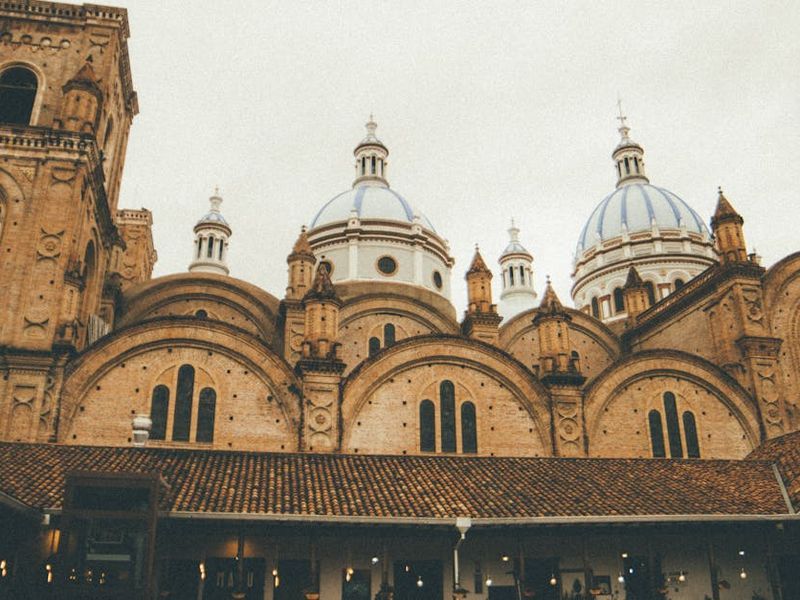
When you arrive, take time to stroll the historic center, wander along the Tomebamba River, visit local markets like Mercado 10 de Agosto for fresh food and artisanal goods, and schedule a day trip to Cajas if you love hiking. Cuenca’s relaxed pace, colonial architecture and thriving expat community make it a rewarding destination — and the journey there can be part of the adventure.