
Table of Contents
Why neighborhood choice matters in Cuenca
Cuenca is compact but diverse: narrow cobblestone streets, quiet riverside lanes, hilltop vistas and modern avenues can all be within a 20-minute drive of each other. Where you choose to live will shape daily routines—how you grocery shop, whether you walk to church or cafés, the quality of evening noise and the view from your balcony. For expats deciding where to settle, practical factors like access to clinics, groceries and reliable internet matter as much as atmosphere, safety and community.
Quick snapshot of Cuenca living realities
Before we look at neighborhoods, here are a few practical facts to keep in mind:
- Elevation: Cuenca sits around 2,560 meters (8,400 ft). Many expats acclimate quickly but expect brisk mornings and cool nights year-round.
- Climate: Spring-like, with a wet season (roughly Dec–May) and a drier half-year. Few homes have central heating—layers are key.
- Transport: Buses are cheap and plentiful; taxis are affordable and easy to hail. Driving is common for families and those living outside the center.
- Shopping: National chains such as Supermaxi and Tía operate here, alongside farmers’ markets and independent shops for produce, meat and artisan goods.
- Healthcare: Cuenca has solid private clinics and public hospitals; many expats use private care because it’s affordable and faster for non-emergencies.
How I grouped these neighborhoods
Instead of listing every barrio, this guide groups areas by experience and practical needs: historic and walkable; riverside and family-friendly; hilltop and scenic; and modern suburbs with malls and medical access. Each section highlights pros, cons, and what you can expect to pay for rent or buy.
1) Centro Histórico: The heartbeat of Cuenca (best for walkers and culture lovers)
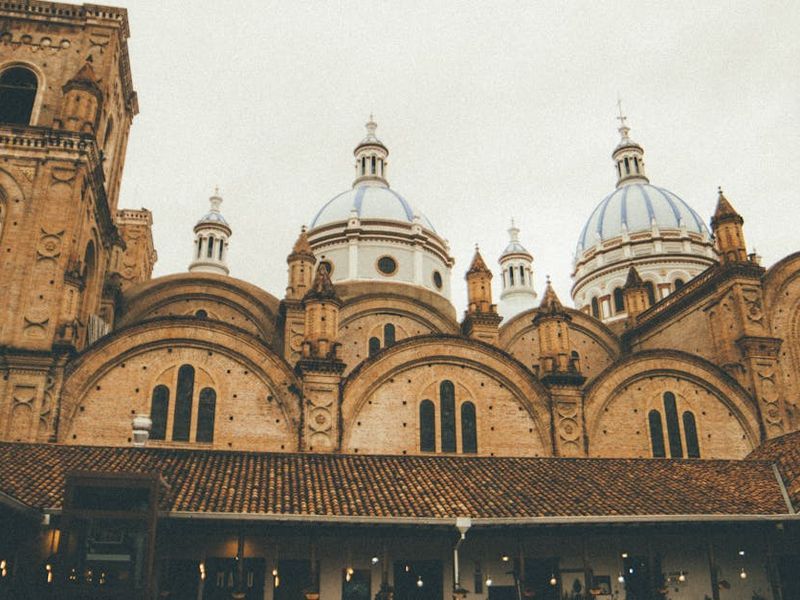
The Centro Histórico—anchored by Parque Calderón and the blue-domed cathedral—is what many newcomers picture when they think of Cuenca. Streets like Calle Larga and Gran Colombia are lined with coffee shops, small museums, artisan markets and restaurants. Living here means easy access to festivals, theaters and a dense network of services.
Why expats love it
Walking everywhere, being at the center of cultural life, and having countless dining and shopping options within minutes. If you want to join Spanish classes, meet fellow expats at cafes or stroll to weekly markets, Centro is hard to beat.
Considerations
Noise (buses, church bells and weekend crowds), older buildings with quirks (stairs, thin walls, variable hot water) and limited private parking are tradeoffs. Cobblestones also make some streets tricky for strollers and people with mobility needs.
Typical rent
Studio or one-bedroom apartments start low to mid-range, while restored colonial apartments and fully furnished units aimed at foreigners command higher rents. Expect some variability depending on restoration quality and included utilities.
2) San Sebastián: A quieter historic neighborhood with a residential feel
Just north of the Cathedral, San Sebastián blends the old-city charm with calmer residential streets. It offers a quieter alternative to the immediate Centro while still keeping you within an easy walk of downtown amenities.
Why expats choose San Sebastián
Less tourist traffic, more local life, good neighborhood bakeries and a family-friendly atmosphere. It’s a popular choice for those who want a historic setting without the 24/7 bustle.
Considerations
Some streets still have older infrastructure. If you have mobility concerns or need a lot of modern amenities, inspect buildings carefully for elevator access and plumbing. Parking is still limited.
3) Tomebamba riverfront & Pumapungo area: Green spaces and museums
The areas along the Tomebamba River and near Museo Pumapungo are favorites for families and anyone who values parks, walking paths and museums. The riverbank is lined with promenades and small plazas that are great for morning walks, jogging and weekend outings.
Why it works well for expats
Access to green space within walking distance, a quieter residential vibe and proximity to cultural institutions make this zone particularly attractive to retirees and families. It still offers easy access to the historic center without being in the thick of tourism.
Considerations
This area features a mix of apartment buildings and houses. Properties can be newer and more comfortable than in the Centro, but popular units may rent fast. Check for mosquito issues during the rainy season in lower-lying areas.
4) Bellavista and Turi: Hilltop neighborhoods with the best views
If city views and a more suburban feel appeal to you, the hilltop neighborhoods around Mirador de Turi and Bellavista are worth considering. Many homes here have terraces and sweeping vistas of the city and surrounding Andes.
Why people move up here
Stunning panoramas, quieter streets and a sense of separation from downtown. Homes often have private gardens and off-street parking, which appeals to drivers and those seeking a suburban lifestyle.
Considerations
Expect steeper streets and longer commutes into the Centro—though taxi rides are inexpensive. Check for reliable internet and phone reception, which can vary on hillsides. If you don’t drive, confirm how buses or taxis serve your exact block.
5) Eastern neighborhoods (Yanuncay area): Modern conveniences and easy access to services
The eastern side of Cuenca, along the Yanuncay corridor and larger avenues, hosts more modern apartment complexes, supermarkets and clinics. Many expats who prioritize convenience, parking and proximity to larger shopping centers choose to live here.
Why expats appreciate this zone
Modern buildings with amenities (parking, elevators, security), bigger grocery stores, and medical centers are common. These neighborhoods are practical for families with children and for anyone who prefers to drive.
Considerations
You’ll trade some historic charm for convenience. The streets are wider and traffic can be heavier, especially at rush hour. Noise from main avenues is a factor for ground-floor units close to busy streets.
6) Suburban pockets: For families, drivers and long-term residents
Beyond the immediate city are several suburban neighborhoods popular with long-term residents. These areas tend to offer single-family homes, gated communities and larger plots for gardens.
Why you might choose a suburb
Lower noise, more space, private yards and the ability to park right at your door. Suburbs are often the top choice for families with children who attend international or bilingual schools outside the center.
Considerations
Commuting into the city can be longer and bus connections may be indirect. Evaluate your transportation routine—taxis remain affordable, but daily driving is common for suburban residents.
Practical tips for choosing the right neighborhood
- Visit at different times: Arrive on a weekday morning, an evening and a weekend to assess traffic, noise and local activity.
- Test the commute: Try the walk or taxi ride you’d make daily to work, school or clinics during peak hours so you understand typical travel times.
- Check basic services: Confirm reliable hot water, water pressure, electricity, and internet providers available at the building.
- Ask about utilities: Many rentals list rent but not whether utilities (water, gas, electricity) are included—get clarity in writing.
- Language and community: If not fluent in Spanish, look for neighborhoods with a visible expat presence or access to bilingual services.
- Safety: Cuenca is generally considered safe, but as with any city, talk to neighbors about late-night lighting, street-level activity and any specific concerns.
Budgeting: What to expect for rent and cost of living
Rent varies widely with location, building condition and amenities. As a rough guide:
- Basic one-bedroom apartment in the Centro or older buildings: lower-to-mid range.
- Two-bedroom apartment or a renovated colonial near Centro: mid-range to higher, especially if furnished.
- Suburban houses or well-equipped apartments in modern buildings: mid-to-high range.
Outside rent, groceries, dining out and transport in Cuenca are commonly less expensive than many North American or European cities. Shopping at farmers’ markets and local shops can reduce food bills further.
Finding housing: practical search tips
Start with short-term rentals while you get a feel for neighborhoods—furnished apartments or Airbnb-style stays let you test an area before committing. Use local Facebook groups, expat forums and real estate agents who specialize in foreign renters. When you find a promising place:
- Inspect for dampness, mold and plumbing—older buildings may need maintenance.
- Confirm the lease terms in clear Spanish (and get translation help if needed).
- Ask who pays for water, gas and building fees; monthly admin fees (condominio) are common in apartment buildings.
- Pay attention to security deposits and the process for returning them.
Community and lifestyle cues to look for
Neighborhood culture affects daily life. Are there parks where neighbors gather? Cafés where locals read newspapers? Churches, yoga studios or language schools? If social connection matters, look for weekly markets, community centers or groups that align with your interests. Many expats find valuable support networks through local meetups and language exchanges, so proximity to communal spaces can be a big plus.
Final checklist: Choosing your Cuenca neighborhood
Use this short checklist as you compare neighborhoods:
- Commute time to your main destinations (work, doctors, family)
- Distance to grocery stores and pharmacies
- Noise at different times of day
- Access to parks, riverside promenades or local plazas
- Building amenities (elevator, parking, security)
- Quality and availability of internet and utilities
- Affordability and what’s included in rent
Wrap-up: Pick the right tradeoffs for your lifestyle
No single neighborhood is best for every expat. If you crave history, culture and walking everywhere, the Centro Histórico and San Sebastián might be perfect. If you want green space and less tourist traffic, look along the Tomebamba and near cultural venues like Museo Pumapungo. If views and a quieter, more suburban pace appeal, Bellavista and Turi deliver. And if convenience, parking and modern services are priorities, the eastern avenues and suburban pockets will suit you.
Spend time exploring, talk with current residents, and use a short-term rental as a trial period. With Cuenca’s manageable size, it’s easy to test neighborhoods before deciding—so take advantage of the city’s walkable streets, friendly plazas and lively markets to find the place that feels like home.
Useful next steps
- Make a shortlist of 3–4 neighborhoods from this guide.
- Book short-term stays in one or two to compare daily life.
- Contact local expat groups online to ask about current market trends and trusted agents.
- When you’re ready to sign a lease, have a bilingual friend or professional read the contract.
Welcome to Cuenca—take your time, explore the plazas, and you’ll soon find the neighborhood that fits your rhythm.