
Table of Contents
Why your neighborhood choice matters in Cuenca
Cuenca is one of Ecuador’s most popular expat destinations for good reason: beautiful colonial architecture, mild year-round weather, strong healthcare options, and a lively cultural scene. But the city is compact and diverse, and each neighborhood offers a different daily rhythm. Choosing the right barrio will influence your commute, your social life, your budget, and how quickly you feel at home.
How to use this guide
Below you’ll find profiles of neighborhoods that consistently appeal to expats, with practical pros and cons, lifestyle notes, and living-cost cues. Use this guide as a starting point for visits and apartment hunting — and remember that Cuenca neighborhoods are changing fast as new buildings and services are added.
Historic Center (Centro Histórico) — for walkable, iconic living
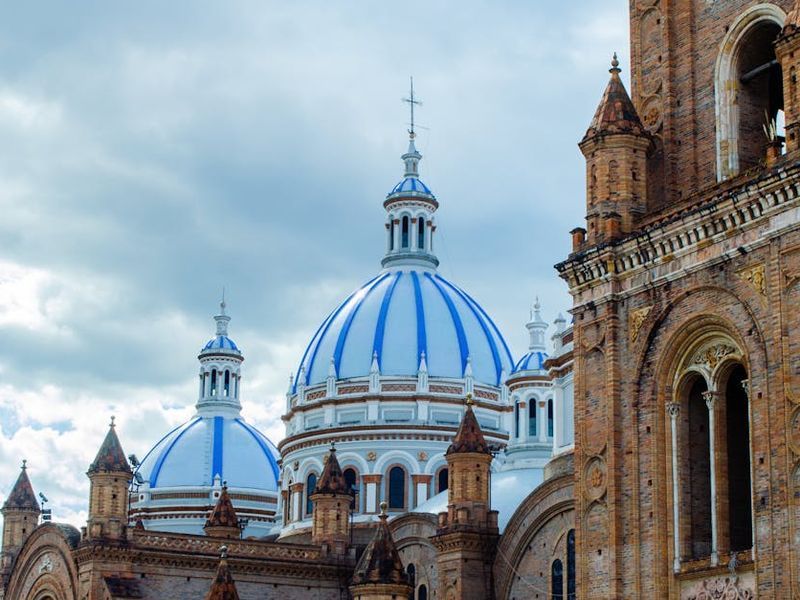
The Centro Histórico, around Parque Calderón and the three blue-tiled cathedrals, is the heart of Cuenca. Streets are lined with colonial houses, museums, cafés, and artisan shops. For many newcomers, living here is like staying inside a postcard: short walks to cultural sites, restaurants, and weekly markets.
- Who it’s good for: People who want daily access to cafes, theaters, and nightlife without relying on a car.
- Pros: Highly walkable, tourist-friendly, excellent public transit links, many short-term rental options and furnished apartments.
- Cons: Noisy at times (weekends and festivals), older buildings with stairs and limited parking, higher rental prices for renovated units.
Expect a mix of restored colonial apartments with tall ceilings and modernized condos. If you value vibrant street life and a short walk to healthcare facilities and grocery stores, Centro is hard to beat.
San Sebastián — artsy, quieter, close to riverside promenades
San Sebastián sits southwest of the cathedral and is one of the charming, slightly quieter historic neighborhoods. It’s popular with artists, small galleries, and independent cafés. The embankment of the Tomebamba River runs nearby and offers scenic strolls and exercise routes.
- Who it’s good for: Expats who want a more residential feel while staying within easy reach of downtown.
- Pros: More tranquil than the immediate city center, plentiful traditional homes and some modern apartments, good access to markets and neighborhood restaurants.
- Cons: Fewer large supermarkets and slightly fewer international services than more modern neighborhoods; some streets are steep.
San Sebastián combines the charm of old Cuenca with comfortable daily life: local panaderías, small plazas, and creative hubs where you’ll meet both locals and fellow expats.
El Batán and surrounding northwest neighborhoods — suburban, practical, and family-friendly
El Batán and nearby barrios to the northwest are more suburban in feel. Many expats who prefer houses with yards, family-friendly parks, and proximity to good supermarkets choose this area. You’ll find newer apartment complexes and gated communities here.
- Who it’s good for: Families, people with cars, or anyone wanting larger living spaces.
- Pros: More modern infrastructure, easier street parking, access to larger stores, medical clinics, and schools.
- Cons: Less walkable to downtown attractions, more reliance on taxis or buses to reach the city center.
If you want more living space for the money and don’t mind a 10–20 minute drive to central Cuenca, El Batán and adjacent neighborhoods offer good value, quiet afternoons, and often safer-feeling blocks with gated properties.
Turi — hilltop views and a quieter, more touristy vibe
Turi sits to the south on a hillside overlooking Cuenca. The area is famous for the Mirador de Turi lookout, where locals and visitors go for sunsets and panoramic city views. Turi has small hotels, artisan stalls, and several restaurants. Housing here ranges from single-family homes to small apartment buildings.
- Who it’s good for: People who prefer scenic views, peace, and easy access to outdoor recreation.
- Pros: Cooler evenings, spectacular views, quieter nights than the city center.
- Cons: Hilly terrain, farther from regular city services, bigger dependence on a car or taxi.
Turi is ideal if you crave a more relaxed atmosphere and a home that feels like a retreat. The tradeoff is convenience: a daily commute takes longer, but the reward is an elevated perspective and calmer streets.
Riverside neighborhoods (Tomebamba and Yanuncay corridors) — green, active, and increasingly popular
The neighborhoods running along Cuenca’s two main rivers — the Tomebamba and the Yanuncay — are prized for their scenic promenades, parks, and outdoor activity. These corridors include a mix of residential blocks, small businesses, and cultural sites. Many walking paths and bridges connect cafes, exercise groups, and weekend markets.
- Who it’s good for: Walkers, joggers, and anyone who wants proximity to green space.
- Pros: Access to riverside parks, bike-friendly routes, and a community atmosphere with local events.
- Cons: Depending on the exact block, you may still face older buildings and occasional flooding concerns in extreme weather (check local microclimate).
Riverside living gives you an urban-but-natural balance: short trips to downtown with the benefit of open air and regular exercise opportunities just outside your door.
North/Modern districts — easy shopping, healthcare, and expat services
Northern and northeastern neighborhoods of Cuenca have grown rapidly and often host larger supermarkets, modern clinics, international schools, and new apartment towers. If you prioritize convenience to healthcare and newer conveniences, these districts deserve attention.
- Who it’s good for: People who want new construction, quick access to hospitals (like Hospital del IESS and Hospital Vicente Corral Moscoso), international-style shopping, and international schools.
- Pros: Newer electrical and plumbing infrastructure, covered parking, and easy deliveries from supermarkets.
- Cons: Less historic charm, potentially longer commutes to the cultural heart of the city.
This zone is popular with expats who plan to stay long term and value reliable utilities and proximity to medical services. It’s also where you’ll find many condominium complexes with amenities like security, a gym, and shared roof terraces.
Budget, rents, and what to expect
Rental prices in Cuenca vary widely depending on neighborhood, building age, and whether utilities are included. At a high level:
- Studio or small one-bedroom apartments in Centro or San Sebastián (unfurnished) can start at roughly $300–$450/month.
- Two-bedroom modern apartments in newer north-side developments often range from $500–$900/month, depending on amenities and parking.
- Houses or larger apartments in El Batán or suburban areas can vary from $600 to $1,500+, based on yard size and renovations.
Short-term furnished rentals and Airbnb-style listings will be more expensive per month but are useful for a transition period while you search for a longer lease. Expect to pay a security deposit (commonly one month’s rent), and be prepared for both short-term and long-term contract styles.
Practical tips for apartment hunting and settling in
Follow these field-tested tips when you look for a place in Cuenca:
- Visit neighborhoods at different times of day — morning, midday, and evening — to sense noise levels, traffic, and safety.
- Walk the block: spot grocery stores (Supermaxi, small local mercados), pharmacies, banks, and plazas so you know where essentials are.
- Ask about water pressure and hot water heating (many buildings use gas or electric boilers); test plugs and internet speed if possible.
- Use reputable local real estate agents or expat Facebook groups for leads, but always verify ownership and contracts before paying money.
- Negotiate: in Cuenca it’s common to discuss rent, include some utilities, or request minor repairs before signing.
Transportation, commute, and daily life
Cuenca’s compact center makes many areas highly walkable. The city also has an affordable bus system and a massive taxis presence — group taxis and individual taxis that are inexpensive for short trips. If you plan to live in a hilly or suburban area like Turi or El Batán, you’ll appreciate owning a car, but traffic is generally lighter than in larger Ecuadorian cities.
Many expats choose to rely on taxis and occasional car rentals instead of purchasing a vehicle. Apps and local taxi services are plentiful, and a typical short taxi ride within central zones costs just a few dollars.
Safety and community considerations
Cuenca is often cited as one of Ecuador’s safer cities, with friendly neighborhoods and low violent crime rates compared to larger cities. Neighborhood safety varies block by block; newer condos often have security staff or closed gates, while the historic center relies more on community presence and police patrols.
To increase your sense of security:
- Choose well-lit streets and active blocks for walking at night.
- Ask neighbors about community watch groups or local safety apps.
- Store valuables securely and use common-sense precautions like anywhere else.
Healthcare, services, and expat networks
One of Cuenca’s biggest draws for expats is the quality and affordability of healthcare. Two major public hospitals — Hospital del IESS and Hospital Vicente Corral Moscoso — are accessible from most neighborhoods, and there are private clinics and specialist practices throughout the city.
Expats often join local meetups, language schools, and Facebook groups to get recommendations for doctors, dentists, handymen, and legal or residency assistance. These networks are invaluable during your first months in the city.
Making the final decision — balancing heart and logistics
When choosing the right neighborhood in Cuenca, weigh these questions:
- Do you prefer walkable streets and cultural life, or peace and space?
- Will you rely on public transport or a personal vehicle?
- How important are nearby hospitals, international schools, or large supermarkets?
- Is living in a restored colonial building worth potential tradeoffs in modern conveniences?
There’s no single “best” neighborhood for all expats — only the best neighborhood for your priorities. Many new arrivals spend several weeks staying in short-term rentals in different parts of the city before signing a longer lease. That trial period is time well invested: Cuenca’s neighborhoods come alive only after you experience them at multiple hours and days.
Next steps: visit, compare, and localize your search
Plan at least a week of neighborhood scouting. Use this checklist: visit in the morning and evening, buy something at a local store, try a nearby café, test public transit options, and talk with neighbors and shop owners about the area. Join expat groups to ask for current listings and local tips — the community is welcoming and a terrific resource.
Final thoughts
Cuenca offers a rare mix of historic charm, modern conveniences, and approachable healthcare — all wrapped in a pleasant climate. Whether you choose the bustling Centro Histórico, the creative calm of San Sebastián, the family-friendly suburbs of El Batán, or the scenic heights of Turi, taking time to explore will help you find a neighborhood that feels like home. Use practical checks, lean on local networks, and allow yourself the time to settle into Cuenca’s rhythms — you’ll discover neighborhoods that match not just your budget, but your lifestyle.