
Table of Contents
Why Cuenca Is a Great Base for Outdoor Adventure
Cuenca sits at 2,560 meters (about 8,400 feet) on a plateau ringed by páramo, cloud forest, and river valleys—making it one of Ecuador’s most convenient gateways for outdoor activities. In less than an hour you can trade colonial cobblestones for high Andean lakes, narrow canyon trails, hummingbird-filled cloud forest, or gravel lanes that thread through traditional farming towns. Whether you prefer a brisk morning hike, a multi-day backpacking route, or an adrenaline-pumping mountain bike descent, the variety around Cuenca is impressive for a mid-sized city.
Preparation and Practical Tips
Before you go, remember that altitude and mountain weather shape every outing. Cuenca’s elevation reduces oxygen slightly compared with sea level, and many nearby trails climb higher into the páramo (3,200–4,500 m). Spend your first day in the city walking gently, drink plenty of water, and eat moderately if you’re planning a strenuous trek the next day.
Essential kit: layered clothing (windproof, insulating mid-layer, light base), waterproof jacket, sun protection (hat + SPF), hiking boots with ankle support, water (2 liters for a half-day), snacks, and a basic first-aid kit. For biking bring gloves, helmet, spare tube and pump, and a hydration pack. Download offline maps (Maps.me or Gaia/AllTrails) and carry some cash—many rural operators accept only cash for entrance or parking fees.
Getting There: Transport Basics
Most sites are reachable by colectivo (shared minivan), tourist bus, private driver, or taxi. Cajas National Park is roughly 30–45 minutes from central Cuenca by car; a public bus from the Terminal Terrestre also runs regularly and takes about an hour. For Yunguilla, Girón, Cojitambo or the Gualaceo/Chordeleg circuit, plan on 45–90 minutes depending on stops. If you’re traveling with bikes, confirm with drivers ahead of time—many local shuttles will accommodate bikes for a small fee if space allows.
Top Hikes Around Cuenca
Cajas National Park: Lakes & Páramo
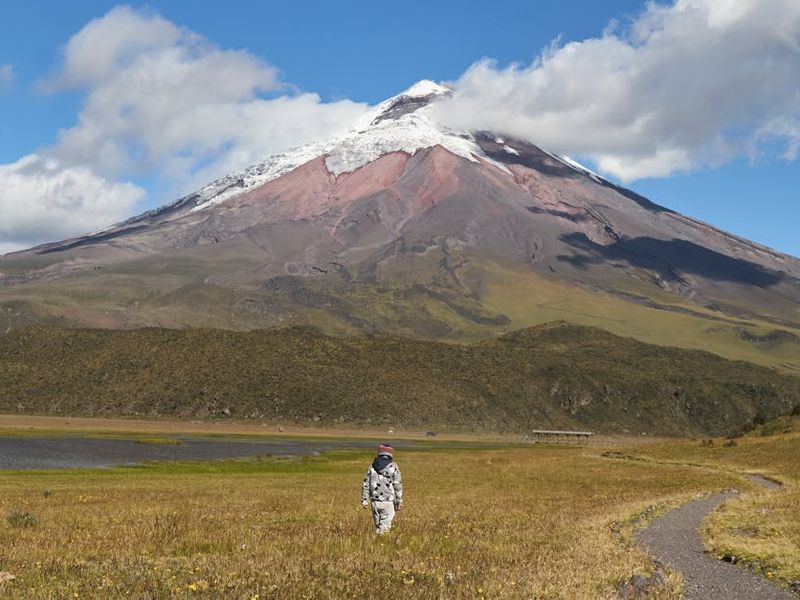
El Cajas is the marquee destination. The park’s rolling páramo, peat bogs and interlinked lagoons make for surreal vistas—mirror-like lakes dotted with cushion plants under wide skies. Popular day routes leave from the park entrance at Tres Cruces or the Laguna Toreadora trailhead. Hikes range from easy 2–3 hour circuits around one or two lagunas to full-day walks that cross higher passes for panoramic views. Expect strong sun, wind and rapid weather changes; morning departures beat afternoon clouds and showers.
Yunguilla Valley: Cloud Forests and Waterfalls
Just south-west of Cuenca, Yunguilla is a lush contrast to the open páramo. Trails here take you along narrow ravines, through coffee farms and primary cloud forest, and to small waterfalls and swimming holes. Several local family-run lodges maintain hummingbird feeders that bring in dozens of species—perfect for casual birdwatchers and photographers. Trails vary from easy loops of an hour to full-day treks that climb into the adjoining ridgelines.
Girón Canyon and Waterfalls
South of Cuenca, the town of Girón sits beside a deep canyon with steep-sided trails and several cascading rivers. Hikes here are a bit rockier and steeper than Cajas but reward walkers with dramatic river views, old stone bridges, and fewer crowds. Combine a morning hike with a visit to Girón’s colonial center for local food and handicrafts.
Cojitambo Rock and Viewpoints
For a short, punchy hike with archaeological flavor, the Cojitambo area offers steep trails up a massive volcanic rock outcrop. Historically important and visually striking, the site offers climbing routes, panoramic views of the surrounding valleys, and a glimpse into pre-Columbian terraces and ruins. The hike is short but steep—good as a half-day outing combined with stops in nearby Gualaceo or Chordeleg.
Best Biking Routes: From Smooth Gravel to Technical Singletrack
Gentle Road and Gravel Loops
If you like long miles on quiet rural roads, the loops toward Gualaceo and Chordeleg are ideal. These routes cross rolling farmland, pass through small markets, and let you sample roadside fruit stands and fresh empanadas. Terrain is mixed tarmac and unpaved gravel; gearing for long climbs and durable tires will make the ride more enjoyable. Typical loop distances are 50–80 km—plan for a full day unless you’re riding an e-bike.
Downhill Fun and Village Descents
Turi, the viewpoint above Cuenca, is a popular launch point for fast descents into the city. The downhill offers a long, technical route with hairpin turns, changing pavement quality, and occasional traffic—best for experienced riders. Alternatively, explore shorter descents from smaller hilltops near Girón or the rim roads around Cajas, which have rougher gravel and rewarding views.
Singletrack & Mountain Bike Trails
Hidden trails and technical lines exist around the margins of Cajas and on the ridgelines toward Paute and Cojitambo. Local mountain bike guide services and shops in Cuenca can point you toward maintained singletrack and arrange shuttle drops. For beginners, guided rides are an excellent way to learn local trail etiquette and find routes matched to your skill level.
Nature Walks in and Near the City
Not every nature fix requires a three-hour drive. Cuenca’s botanical garden (Jardín Botánico de Cuenca), the El Paraíso park, and greenways along the Río Tomebamba and Río Yanuncay offer calm, accessible nature walks right inside or on the edge of town. These paths are great for morning runs, family walks, and birdwatching in the early light. The city’s higher neighborhoods, like Turi, also have short trail networks with excellent sunrise and sunset vistas.
Birdwatching and Wildlife Viewing
Because Cuenca sits at an ecological crossroads—high Andean páramo, cloud forest, and river valleys—the birdlife is varied. Watch for hummingbirds, tanagers, woodpeckers, and waterfowl in Cajas and Yunguilla; opportunistic raptors and turkey-like birds may show up in open highland areas. Bring binoculars, a guidebook or eBird checklist for Azuay province, and aim for early morning or late afternoon when birds are most active.
Seasonality: When to Go
The dry season—typically June through September—offers the most reliable weather for long hikes and clear vistas. However, Cuenca’s climate is relatively moderate year-round, and shoulder months (April–May and October–November) can be quieter with fewer tourists and lush green landscapes. Expect the most rain from December through March; even then, a morning outing is often rewarded with clearer skies before afternoon showers. Check the forecast and be ready to turn back if conditions deteriorate.
Sample Itineraries
One-Day: Morning in Cajas, Afternoon in Cuenca
- Depart early for Cajas (bus or private transport).
- Hike to 1–2 lagunas (Laguna Toreadora circuit or similar) and enjoy a picnic.
- Return to Cuenca in the afternoon, stroll the Parque Calderón, and recover with a meal at one of the city’s many restaurants.
Weekend: Yunguilla Birding and Cojitambo Exploration
- Day 1: Drive to Yunguilla, check into a lodge, and take afternoon cloud forest walks and hummingbird sessions.
- Day 2: Early morning birding, then transfer to Cojitambo for a half-day hike and scenic views before returning to Cuenca.
Full-Day MTB: Gualaceo–Chordeleg Loop
- Start from Cuenca with an early pickup or ride out to Gualaceo.
- Follow a mixed-road loop through agricultural valleys, sample local markets, and return to Cuenca by dusk. Expect varied surfaces and long climbs—plan food and water stops.
Local Services: Rentals, Guides, and Where to Eat
Cuenca has several outdoor shops offering bike rentals, guided hikes, and transfer services—many operate near the historic center around Parque Calderón. If you prefer independent travel, find a reputable shop for good-quality bikes and helmet rentals and ask for route maps. For guided experiences, book with operators who emphasize conservation and local community partnerships; many family-run lodges in Yunguilla and near Girón offer guides who know the trails intimately.
After a day on the trail, refuel with hearty local food—try caldo de gallina (chicken soup) for altitude comfort, mote pillo, or roasted trout from the highland rivers. Small markets along rural routes are perfect for snacks—fresh fruit, cheese, and coffee are plentiful.
Leave No Trace: Respect the Fragile Highlands
The páramo and cloud forest ecosystems are fragile and recover slowly from damage. Stick to marked trails, avoid picking plants or disturbing wildlife, and pack out all trash. If you see signs of erosion or unsafe trail-building, report it to the park office or local guides so improvements can be prioritized. Supporting locally run guides and lodges helps keep money in the community and encourages sustainable conservation practices.
Safety and Health Considerations
Watch for signs of altitude sickness—headache, nausea, dizziness—and descend if symptoms worsen. Carry a basic first-aid kit and consider bringing altitude medication if you are prone to issues (check with a healthcare professional beforehand). Tell someone where you’re going and your expected return time, especially when hiking alone or on less-traveled trails. Mobile coverage can be spotty in remote areas, so prepare accordingly.
Final Tips and Local Etiquette
Start hikes early to enjoy the best weather and wildlife activity. Support small vendors in rural towns for food and services. Learn a few Spanish phrases—locals appreciate the effort and it often leads to friendlier interactions. Finally, take time to savor the transition from city streets to highland silence—Cuenca’s surroundings are a captivating blend of culture and nature waiting to be explored.
Whether your ideal day involves a reflective walk around an Andean lake, a fast gravel ride past coffee farms, or a cloud-forest hike listening to a chorus of hummingbirds, the outdoor playground around Cuenca delivers. Plan carefully, choose routes that match your fitness and experience, and you’ll find spectacular landscapes just minutes from the city.