
Table of Contents
Why Cuenca is a Nature Lover’s Base Camp
Cuenca’s UNESCO-listed center draws travelers for its colonial architecture and cultural life, but the real treat for outdoor lovers is that this compact city sits at the edge of dramatic Andean ecosystems. Within an hour you can move from cobblestone streets to páramo plateaus, cloud forests and river canyons. This article maps the best natural areas around Cuenca, gives practical tips for visiting each place, and offers sample itineraries so you can make the most of your time outdoors.
Cajas National Park: High-Altitude Lakes and Páramo
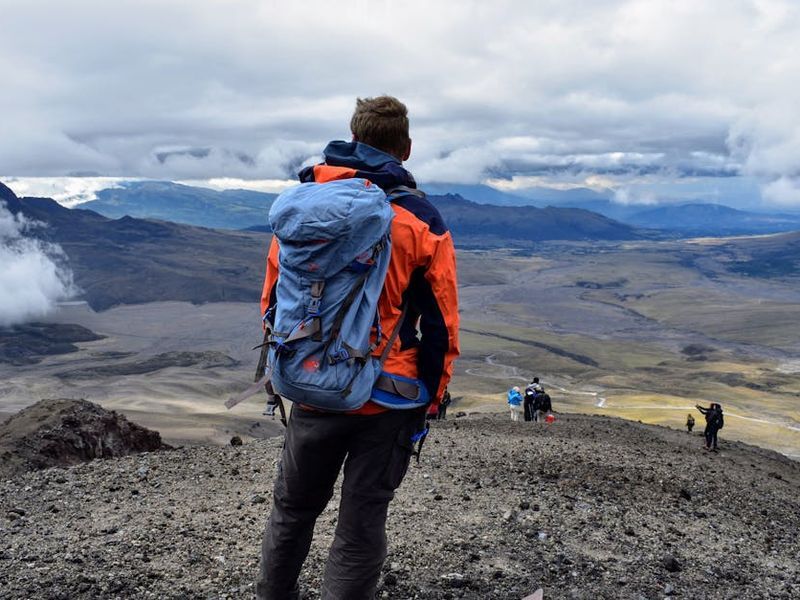
A clear standout is Parque Nacional El Cajas (commonly called El Cajas). Located west of Cuenca and reachable by public bus or a short drive, Cajas spans a wide altitudinal range (roughly 3,100–4,450 meters) and is famed for hundreds of glacial lakes set in a windswept páramo landscape. The contrast between the city and this stark, beautiful alpine region couldn’t be greater.
Why visit: hiking among lagoons, dramatic viewpoints, and excellent highland birding. You’ll see Andean waterfowl, caracaras, and many specialized plants adapted to the cold and wet — cushion plants, hardy grasses, and mossy wetlands that change color with the light.
Practical tips: mornings can be clear and spectacular, but weather in the páramo changes fast — bring layers, a waterproof shell, sun protection and warm gloves. Altitude is a factor: take it easy on your first day in Cuenca (2,500 m) before heading up. There is a small park entry fee and park rangers oversee trails; consider hiring a local guide if you want to learn more about flora, fauna and glacial geology.
Río Tomebamba and Urban Riverwalks: Nature Inside the City
You don’t need to leave town to feel close to nature. The Río Tomebamba slices through central Cuenca and has been beautifully framed by promenades, parks and small gardens. Strolling the riverbanks early in the morning offers a quiet, photogenic experience: bird activity peaks, flower vendors set up, and the light on the water highlights the red-tiled roofs of the city.
Top spots along the river: the tree-lined walkways near the historic center, small bridges and terraces where locals and visitors relax, and Parque de la Madre — a green linear park perfect for an easy walk, running, or watching city birds. These urban green spaces are ideal for short, accessible nature time without leaving the centro histórico.
Practical tips: bring binoculars if you’re into birding; hummingbirds and other small species frequent gardens and flowering trees. Early mornings or late afternoons are best for wildlife and soft light.
Pumapungo and Botanical Corners: Culture Meets Ecology
At the southern edge of the historic center, the Pumapungo Cultural Museum and archaeological park mixes ruins with ethnobotanical gardens. These green exhibitions showcase native crops, medicinal plants and reconstructed indigenous agricultural spaces, offering a concise lesson on the relationship between people and local ecosystems.
Nearby, the city’s botanical efforts — including the University of Cuenca’s botanical gardens and several private nurseries — are excellent for visitors interested in native orchids, medicinal flora and horticultural practices adapted to the Andean climate.
Practical tips: combine a museum visit with a garden stroll to gain context about the plants you’ll later see in the wild, and look for seasonal displays of native flowers and orchids.
Cloud Forests and Waterfalls: Eastward Day Trips
Head east from Cuenca toward lower elevations, and the Andean slopes give way to cloud forests and lush river valleys. Towns like Gualaceo and Chordeleg are good jumping-off points for mid-elevation hikes, waterfall chases, and visits to working coffee farms and community-run reserves.
Why go: cloud forests host tremendous biodiversity — multicolored tanagers, toucanets, motmots and a bewildering variety of hummingbirds. Trails usually wind through mossy trees dripping with bromeliads and orchids, and many local guides can lead you to hidden cascades and swimming holes.
Practical tips: these trips are warmer and more humid than El Cajas; wear quick-drying clothing, insect repellent and sturdy shoes. Consider hiring a community guide to gain access to smaller reserves and to support local economies.
Birdwatching Hotspots Around Cuenca
Whether you’re a casual birder or a serious lister, the areas around Cuenca serve up a long checklist. High-altitude sites like El Cajas are home to species adapted to open páramo, while cloud forests and riverine corridors around Cuenca host colorful tanagers, hummingbirds and woodcreepers.
Species to look for: Andean geese and caracaras in high places; torrent ducks in fast mountain streams; multiple hummingbird species near gardens and cloud-forest edges; and canopy dwellers like tanagers and flycatchers in lower-elevation forest patches. Dawn and dusk are the most rewarding times to bird.
Practical tips: bring a spotting scope or binoculars, a field guide (or an app), and contact local birding groups or guides who know seasonal hotspots. A guided morning can be extremely productive and often cost-effective if you want to visit more remote sites.
Miradores and Scenic Drives: Panoramas Without a Hike
If you want grand views without long trekking, Cuenca’s miradores (viewpoints) deliver. The Mirador de Turi, perched above the city, is the classic vantage point for sunrise or sunset photos — you can see the old city unfolding below with the Andean backdrop. Other scenic drives west and south of Cuenca take you through terraced farmland, past rivers and up to high viewpoints where the scale of the mountains becomes clearer.
Practical tips: hire a taxi for a sunset run to Turi if you don’t have a car — it’s a short trip and taxis will wait. If you drive, be mindful that mountain roads can be narrow and weather can reduce visibility quickly.
Small-Group and Community Tours: A Responsible Way to Explore
Community-based tourism is growing around Cuenca, with rural families and cooperatives offering hikes, homestays and cultural experiences linked to the natural landscape. Joining a small, locally guided tour helps you access lesser-known trails, supports local livelihoods, and often provides richer ecological interpretation than a self-guided outing.
What to expect: multi-hour walks through farmland and cloud forest, visits to artisanal farms and coffee plantations, or guided birding along private reserves. Many tours include a traditional lunch prepared by hosts, giving you a taste of local produce and cuisine.
Practical tips: book in advance if possible, especially during high season. Ask about group size and cancellation policies, and confirm what’s included (transport, food, entrance fees) so you can pack appropriately.
Practical Essentials for Exploring Cuenca’s Nature
Whether you’re tackling the winds of El Cajas or wandering river trails near the city, a few essentials make every outing safer and more enjoyable. Pack layers: the day can begin with frost at high elevations and end in sunshine. Rain is common in the afternoon during the wet season (December to May), so a lightweight rain jacket and waterproof pack cover are smart additions.
Other gear: comfortable hiking boots with grip, a reusable water bottle, sunscreen and sunglasses for high-elevation glare, a small first-aid kit, and quick snacks. If you plan to bird or photograph, bring binoculars, a telephoto lens and extra batteries; batteries drain faster in cold weather.
Health and safety: Cuenca’s elevation (around 2,500 m) is moderate but can still cause light altitude symptoms; give yourself a day or two in town before heading higher. Stay hydrated, move slowly on steep trails, and communicate plans with your guide or host. Mobile reception varies in mountain areas, so don’t rely on cellular service for navigation or emergencies.
Seasons and Timing: When to Visit
Cuenca is pleasant year-round compared to lowland tropical climates, but the Andes still have wet and dry phases. The drier window runs roughly from June through September and is usually the best time for high-elevation trekking, clearer views, and stable weather. The rainy season (December to May) brings lush green landscapes and flowing waterfalls — ideal for photographers and those who don’t mind short, heavy showers.
Early mornings are generally the best time for birdwatching and for catching the clear, crisp light on mountain lakes. For fewer crowds at El Cajas and other popular spots, aim for weekday visits or early departures from Cuenca.
Sample Outdoor Itineraries Starting in Cuenca
Here are two easy itineraries that combine city culture with nature for different trip lengths.
- Weekend Nature Hit (2 days): Day 1: Morning botanical garden and Pumapungo visit, lunch in the centro histórico, afternoon riverwalk along Tomebamba and Mirador de Turi at sunset. Day 2: Full-day trip to El Cajas — choose a short lake circuit, pack warm clothes and bring snacks.
- Active Week (5–7 days): Day 1–2: Explore Cuenca’s parks, markets and Pumapungo. Day 3: Full-day birding or waterfall tour toward Gualaceo/Chordeleg with a local guide. Day 4: Rest day in town or a gentle hike near the river. Day 5: Overnight or full-day trek in El Cajas with a guide, including lakes and panoramic viewpoints. Day 6–7: Community-based homestay in a nearby village with nature walks and cultural exchanges.
Conservation, Respect and Local Support
Cuenca’s surrounding landscapes are living working ecosystems: farms, community land, and national park all intermix. Practicing responsible tourism helps keep these areas healthy. Stick to marked trails, don’t feed wildlife, carry out your trash, and prioritize guides and services that invest income in local conservation. Small fees and guide payments make a big difference for rural communities stewarding trails and habitats.
Final Thoughts: Make Nature Part of Your Cuenca Experience
Cuenca’s mix of cultural charm and astounding natural variety makes it one of the most accessible outdoor gateways in Ecuador. From the icy lakes and windswept páramo of El Cajas to the verdant, bird-rich cloud forests east of the city and the intimate green corridors along the Río Tomebamba, there’s a nature escape to suit every interest and fitness level.
Plan your outings with weather and altitude in mind, support local guides and communities, and give yourself time to absorb both the highland panoramas and the smaller natural details — the moss-draped trees, the flash of a hummingbird, the reflection on a mountain lake. With the right preparation, Cuenca rewards nature lovers with an unforgettable variety of landscapes all within easy reach.