
Table of Contents
Why Cuenca Should Be on Every Food Lover’s Map
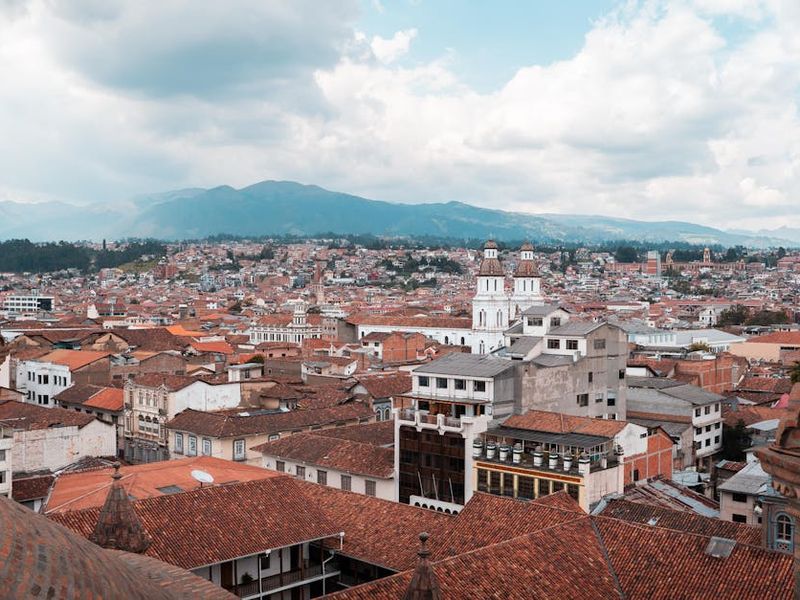
Cuenca’s food scene is a delightful mix of Andean tradition, coastal influences, and a growing wave of international flavors. Sitting at 2,500 meters, this UNESCO-listed colonial city offers hearty mountain fare alongside fresh seafood flown in from the coast, excellent coffee, and an array of bakeries and street stalls that serve up inexpensive, unforgettable bites. Whether you’re an adventurous eater chasing local specialties or a comfort-food seeker who wants a solid plate of hornado and mote, Cuenca delivers.
Must-Try Dishes: What to Order First
Before hunting down restaurants, build a mental checklist of dishes unique to the region. These are staples you should try during any visit:
- Hornado – Slow-roasted pork served with llapingachos (potato patties), mote (hominy), pickled onion, and salad.
- Fritada – Crispy-fried pork chunks usually accompanied by mote, plantains, and a spicy ají.
- Cuy – Guinea pig roasted or fried; a traditional Andean delicacy for special occasions.
- Encebollado – A hearty fish stew often eaten for breakfast or lunch; great if you crave seafood.
- Locro de papas – A warm, creamy potato and cheese soup that’s comfort food at altitude.
- Llapingachos – Fried mashed potato patties stuffed with cheese, commonly served as a side or a main.
- Helado de paila – Rustic, artisanal sorbet made in a large cold metal pan — a refreshing dessert.
Where to Eat: Neighborhoods and Scenes
Cuenca’s dining options cluster around several neighborhoods and landmarks, each with a distinct vibe:
- Historic Center (Centro Histórico) – A mix of tourist-oriented restaurants and neighborhood gems. Perfect for first-timers who want accessible menus with local staples.
- San Blas and the Art District – Narrow cobblestone streets with small cafés and intimate restaurants, ideal for coffee, baked goods, and light meals.
- Avenida Ordoñez Lasso / Tomebamba River – Riverside promenades lined with bakeries, seafood eateries, and modern bistros offering river views.
- El Vergel and Residential Zones – Home to more neighborhood-style dining, family restaurants, and places popular with locals (good for authentic plates at modest prices).
- Markets – The best place to eat cheaply and authentically; market stalls serve breakfast, soups, and daily specials.
Markets: The Heart of Cuenca’s Everyday Eating
Market halls are where you’ll find the city’s most honest food. Vendors prepare enormous pots of stews and soups each morning—perfect for a filling, inexpensive lunch. Key tips for market dining:
- Arrive early (7–10am) for the freshest soups and the busiest stalls.
- Try breakfast classics like encebollado or a plate of mote with roasted pork.
- Look for stalls with a steady stream of local customers—business is the clearest sign of quality and turnover.
- Market prices are unbeatable: you can eat a full plate for $2–$5.
Traditional Restaurants: Where to Find Authentic Andean Flavor
If you want a sit-down experience that showcases regional dishes, seek out mid-range family-owned restaurants. These places often have set lunch menus (menú del día) including a starter, main, and drink—an economical way to sample several items. Practical pointers:
- Menú del día typically runs $3–$7 and is available midday on weekdays.
- Ask for house specials—many kitchens rotate dishes according to market produce and seasonality.
- If you’re curious about cuy or other specialty meats, tell the staff you’d like a small portion first—they’ll often accommodate.
Fine Dining and Contemporary Eateries
Cuenca’s gastronomic evolution includes small fine-dining establishments and chefs reinterpreting Ecuadorian ingredients with modern techniques. These restaurants are popular for celebrations and date nights. Expect tasting menus, crafted cocktails, and seasonal produce showcased in inventive ways. Price ranges here tend to be $25–$60+ per person depending on courses and drinks. Reservations are often recommended, especially on weekends.
Cafés, Bakeries, and Coffee Culture
Cuenca has a thriving café scene influenced by the Ecuadorian coffee-growing regions. Look for single-origin options and pour-overs at local coffee shops. Bakeries are equally important—don’t miss freshly baked bizcochos (buttery rolls) paired with your coffee. Cafés are great for light lunches and people-watching, particularly along the river or in San Blas.
Street Food and Late-Night Bites
Street stalls and corner kitchens offer some of the city’s most memorable flavors. Popular street bites include empanadas, grilled corn, and sweet fritters. For late-night cravings, neighborhoods near the historic center remain active after dark with vendors serving soups, grilled meats, and hot drinks. Basic street food hygiene tips:
- Choose vendors who cook to order and who have a consistent local clientele.
- Avoid raw items from stalls unless you’re confident in water and food handling.
- Carry small bills and coins—many stalls don’t accept cards.
Vegetarian and Vegan Options
While Cuenca’s traditional cuisine leans heavily on pork and other meats, the city’s restaurants are increasingly offering vegetarian and vegan options. Look for places that emphasize fresh produce, quinoa, and Andean grains, or those promoting plant-based menus. Many cafés will adapt dishes to be vegetarian; don’t hesitate to ask for substitutions.
Seafood in the Highlands: Where to Find the Freshest Fish
Although Cuenca is inland, a surprising number of restaurants specialize in ceviche and seafood stews thanks to efficient supply lines from the coast. For the best seafood:
- Check freshness by asking when the fish arrived—same-day delivery is common at quality spots.
- Compare ceviche acidity and texture—good ceviche balances citrus, texture, and seasoning without drowning the seafood.
- Encebollado is often a good test of a restaurant’s seafood standards; a flavorful broth suggests careful sourcing.
How to Choose a Great Restaurant: Practical Criteria
Here’s how locals and seasoned travelers separate the good from the indifferent:
- Look for places with steady local traffic—tourists aren’t the only marker of quality.
- Check menus for seasonal items and daily specials, which indicate fresh sourcing.
- Read recent reviews, but weigh them against local opinion—some gems fly under the radar online.
- Observe cleanliness in both the dining area and visible parts of the kitchen.
- Ask the staff for recommendations based on your tastes and dietary restrictions; good servers will tailor suggestions.
Money, Tipping, and Practicalities
A few practicalities will smooth your culinary explorations:
- Currency: Ecuador uses the U.S. dollar—prices are usually listed in USD. Carry some cash for markets and small vendors.
- Tipping: 10% is customary in sit-down restaurants; some places add a service charge—check your bill.
- Payment: Many restaurants accept cards, but small establishments and markets may be cash-only.
- Hours: Lunch is the main meal—many traditional restaurants are busiest from noon to 3pm. Dinner tends to start later, from 7pm onward.
Special Experiences: Cooking Classes, Food Tours, and Market Walks
For deeper culinary immersion, book a market walk or cooking class. These experiences typically include a visit to a local market to select ingredients, followed by hands-on instruction in preparing classic Ecuadorian dishes. Food tours can be an efficient way to sample many items in one afternoon and learn context from a local guide.
Sample 3-Day Food Itinerary
Short on time? Here’s a compact plan to taste Cuenca’s diversity:
- Day 1 – Historic Tastes: Breakfast at a bakery (bizcochos and coffee), Mercado lunch (hornado or encebollado), evening stroll and light dinner at a San Blas café.
- Day 2 – Market & Modern: Morning market walk and market-style breakfast, afternoon coffee tasting, dinner at a contemporary bistro for a refined take on local ingredients.
- Day 3 – Adventure Bites: Try cuy or a specialty meat dish at a traditional restaurant, indulge in helado de paila for dessert, and finish with a riverside drink near the Tomebamba.
Food Safety and Health Tips
Traveling at altitude and eating boldly can challenge even experienced travelers. A few sensible precautions:
- Drink bottled water if you’re uncertain—tap water is generally safe in many parts of Ecuador but tastes and practices vary.
- Eat cooked food from busy stalls where turnover is high to reduce risk of spoilage.
- Acclimatize to the altitude slowly—heavy meals can feel heavier at 2,500m, so pace yourself.
- If you have allergies, learn key Spanish phrases (e.g., “Soy alérgico a…”) to communicate restrictions clearly.
Insider Tips from Locals
A few local-tested hacks to improve your culinary tour:
- For the best llapingachos, ask when they were made—fresh is ideal.
- Try the small family-run places away from main plazas; they often have generational recipes not found in tourist guides.
- Late-afternoon is often when freshly made pastries and breads come out of the oven—perfect for an afternoon snack.
- Seek out afternoon tea or coffee with locals—many cafés host lively conversation and excellent baked goods.
Final Thoughts: Savoring Cuenca One Plate at a Time
Cuenca’s culinary personality is as layered as its colonial facades—grounded in Andean tradition, touched by coastal flavors, and enriched by global influences. Whether you spend your days chasing market breakfasts, sampling seafood at intimate eateries, or treating yourself to a modern tasting menu, the city rewards curiosity and appetite. Let your senses lead: start with the classics, ask locals for their favorites, and leave room for the unexpected. The best restaurants in Cuenca are often the ones you discover between a bustling market stall and a quiet riverside café.