
Table of Contents
Why the Southern Highlands of Ecuador Deserves a Spot on Your Itinerary
The Southern Highlands — the Andean corridor that threads through Cuenca, Loja and Vilcabamba — offers a blend of colonial architecture, cloud-forest biodiversity, artisan markets and slow-paced living. Whether you’re a nature lover, history buff, foodie or expat scout, this region delivers mellow mountain air, friendly communities and landscapes that change from glacial lakes to lush valleys in a matter of hours.
Quick Orientation: Altitude, Climate and Timing Your Visit
One of the first things to consider when planning travel in the Southern Highlands is altitude. Cuenca sits at about 2,560 meters (roughly 8,400 feet), Loja around 2,060 meters, and Vilcabamba down in a pleasant valley near 1,500 meters. Expect cool, crisp nights in Cuenca, warmer microclimates in Vilcabamba, and cloud-forest humidity around Loja’s reserves.
Weather here is surprisingly forgiving: the Andes in this zone often deliver spring-like temperatures year-round. Still, pack layers: mornings and evenings can be chilly, afternoons may be sunny, and cloud-forest areas require a waterproof layer. High UV at altitude means sunscreen, sunglasses and a hat are essential.
Getting There and Getting Around
Airports and Arrival
Cuenca has an international airport (CUE) with domestic and some international connections. The ride from the airport to the historic center is usually 20–30 minutes by taxi. Loja’s air link is at the nearby Catamayo airport, a short drive from the city. Vilcabamba has no airport — it’s reached by road from Loja or Cuenca.
Buses, Shuttles and Driving
Intercity buses are reliable and frequent. Travel times are approximate: Cuenca to Loja 3–4 hours, Cuenca to Vilcabamba 1.5–2 hours, Loja to Vilcabamba about 1–1.5 hours. Orthodox long-distance coaches are comfortable; for faster transfers consider private shuttles or shared vans. If you rent a car, roads are usually well-maintained but expect winding mountain stretches and narrow town streets.
Urban Transport
Within towns, taxis are inexpensive. In Cuenca, ask your hotel to call a registered taxi if you don’t want to hail one on the street. Walkable historic centers reward exploration by foot — cobblestones and hills mean comfortable shoes are a must.
Cuenca: Colonial Charm, Markets and Modern Amenities
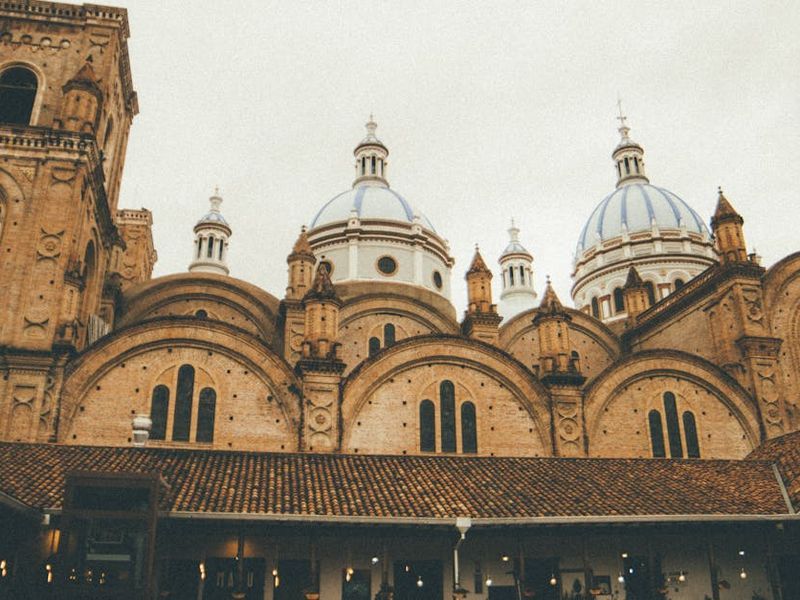
Cuenca is the region’s cultural and economic hub, known for a beautifully preserved historic center declared a UNESCO World Heritage site. The skyline is dotted with the iconic blue domes of the New Cathedral (Catedral de la Inmaculada Concepción). Stroll along the Tomebamba River and cross quaint bridges for postcard views.
What to See and Do in Cuenca
- Parque Calderón and the Historic Center — Heart of the city, lined with cafes and colonial facades.
- Pumapungo Museum and Archaeological Park — Learn about Cañari and Inca history, plus ruins and ethnobotanical gardens.
- Cajas National Park (day trip) — A short drive from Cuenca, famed for high-altitude lakes, páramo landscapes and superb hiking.
- Artisan towns: Gualaceo and Chordeleg — famous for silverwork, jewelry and textiles. Ideal for souvenir hunting.
- Markets: Mercado 10 de Agosto and Mercado Central — great for fresh produce, local snacks and cuy if you’re adventurous.
Practical Tips for Cuenca
Cuenca has a broad range of accommodations from budget hostels to boutique hotels and long-term rental apartments — popular neighborhoods include the area around Parque Calderón for historic immersion and quieter residential barrios for longer stays. The city also offers modern healthcare facilities and plenty of services that make it a favorite with expats. For dining: try local specialties like llapingachos (potato patties), hornado and hearty soups like locro.
Loja: Ecuador’s Music and Cloud-Forest Capital
Loja is quieter than Cuenca but rich in culture. Often called the country’s cultural capital, it has a lively music scene and a reputation for arts education. The city sits near biodiverse cloud forests and protected areas that are a magnet for birdwatchers.
Highlights Around Loja
- Parque Central and Historic Streets — Pleasant plazas and colonial architecture.
- Podocarpus National Park — A biodiversity hotspot with dramatic elevational gradients, waterfalls and prime birdwatching areas. Guided treks are recommended.
- Vilcabamba Valley — South of Loja, the valley has become a center for wellness tourism and outdoor activities.
- Local coffee farms and cloud-forest tours — Explore small plantations and learn about shade-grown coffee in this microclimate.
Travel and Practical Notes for Loja
Loja is less touristy than Cuenca, which means slower-paced streets and fewer English speakers — but it also offers a more authentic Ecuadorian feel. If you’re interested in music, check local calendars for concerts and festivals. For nature excursions, hire a local guide to access the best cloud-forest trails and to spot endemic bird species.
Vilcabamba: A Valley of Wellness and Slow Living
Vilcabamba sits in a warm, verdant valley famed for its relaxed lifestyle and a long-running reputation as a place where people live longer. That “long life” myth has attracted wellness seekers, yoga teachers and retirees from around the world, creating a diverse small-town vibe with international eateries, organic markets and holistic practitioners.
Outdoor Activities and Relaxation
- Hiking and waterfalls: Trails to places like Cascada Mandango are popular for half-day hikes.
- Horseback rides and valley exploring: Local guides lead riders along trails with panoramic views.
- Wellness scene: Yoga studios, natural food cafes and small spas abound — perfect for retreat-style days.
- Local markets: Small artisan stalls and weekly markets sell produce, cheese and handmade items.
Practical Advice for Staying in Vilcabamba
Vilcabamba’s infrastructure is quieter — there are hotels, guesthouses and rental cottages, but fewer bank branches and ATMs than Cuenca. Bring cash for small purchases and ask your accommodation about Wi‑Fi quality if you need reliable connectivity. Nearby towns like Loja provide larger clinics and services if needed.
Day Trips and Routes: Building a Southern Highlands Itinerary
A comfortable 7–10 day itinerary can include Cuenca as your base, with day trips and overnight stays in Loja and Vilcabamba. Here are sample highlights you can link together:
- Day 1–3: Cuenca — historic centers, museums, artisan towns (Gualaceo & Chordeleg) and a Cajas National Park day hike.
- Day 4–5: Travel to Loja — explore Parque Central, local eateries and nearby cloud-forest reserves.
- Day 6–8: Vilcabamba — hike, relax, attend a yoga class and enjoy the valley’s laid-back pace.
- Optional: Add a stop to Ingapirca ruins (Inca-era site north of Cuenca) if you’re interested in pre-Columbian history.
Practicalities: Money, SIM Cards, Health and Safety
Money and ATMs
Ecuador uses the US dollar. Cuenca has plentiful ATMs and banks; smaller towns like Vilcabamba have fewer machines — bring adequate cash for rural excursions. Cards are accepted in most hotels and restaurants in the larger towns but may not be in small markets or rural businesses.
Connectivity
Local SIM cards from carriers such as Claro or Movistar offer good coverage; buy one at the airport, in city stores or at official kiosks. Cuenca and Loja have reliable Wi‑Fi in many hotels, cafes and coworking spaces; expect slower connections in more remote areas.
Health and Altitude
Altitude in Cuenca can cause mild symptoms for newcomers — headaches, shortness of breath, or fatigue. Acclimatize by taking it easy the first 24 hours, drinking plenty of water, and avoiding intense exercise. Vilcabamba is lower and generally easier for those sensitive to altitude. For hikes into Cajas or Podocarpus, pack layers, rain protection and sturdy footwear. Carry any prescription medications and consider travel insurance with medical evacuation if you plan remote trekking.
Safety
The Southern Highlands are generally safe for visitors, but petty theft and pickpocketing occur in crowded areas. Use common-sense precautions: keep valuables out of sight, use hotel safes, and take registered taxis at night. When hiking, let someone know your plans and prefer guided treks for remote trails.
Food, Culture and Local Etiquette
The food scene ranges from hearty Andean dishes to international options aimed at expats. Must-try local specialties include cuy (guinea pig) served in traditional restaurants, hornado (roast pork), mote (hominy) and warm soups like locro de papa. Cuenca’s cafe culture is lively — a good place to sample Ecuadorian coffee and meet locals.
Spanish is the dominant language. Learning basic phrases will be appreciated and often opens doors to friendlier interactions. Socially, Ecuadorians tend to be warm: a brief handshake, and in more social settings a right-cheek kiss is common when meeting women and friends.
Packing and Preparation Checklist
- Layerable clothing (temperatures vary by hour and altitude)
- Good walking shoes — cobblestones and trails
- Light rain jacket and sun protection
- Small amounts of cash (USD) and an ATM card
- Local SIM or unlocked phone for flexibility
- Basic Spanish phrasebook or translation app
- Medical essentials and altitude remedies if sensitive
Final Tips: Make the Most of the Highlands
Slow travel pays off here. Spend time wandering Cuenca’s neighborhoods, linger over a coffee and explore artisan towns at a relaxed pace. Use Loja as your gateway to cloud-forest adventures and reserve several days in Vilcabamba to decompress, hike and connect with the wellness scene.
Respect local rhythms: markets close early on Sundays in many towns, and small villages may have limited services. Ask locals for recommendations — Ecuadorians love to point visitors toward favorite viewpoints, family-run eateries and lesser-known trails.
Closing Thought
The Southern Highlands combine the best of Andean Ecuador: architectural beauty, ecological richness, handcrafted traditions and a slower tempo that invites lingering. Whether you’re traveling for adventure, a cultural deep-dive, or scouting a slower life among the Andes, Cuenca, Loja and Vilcabamba offer distinct flavors of mountain living that stay with you long after you leave.