
Table of Contents
Why Cuenca is a smart choice for dental care
Cuenca, Ecuador has become a magnet for dental travelers thanks to a combination of high-quality private clinics, lower prices, and an expatriate-friendly city center. The city’s well-preserved colonial core (a UNESCO World Heritage site), modern health services, and mild year-round climate make it easy to pair dental appointments with a pleasant recovery period. If you’re considering dental work abroad, Cuenca is worth exploring—but success depends on good planning.
Plan first: what to do before you book anything
Good planning reduces surprises. Before you commit to dates or deposit money, take these preparatory steps:
- Collect your dental records: current x-rays, treatment plans, panoramic images and any existing crowns or implant documentation.
- Talk to your local dentist: get a pre-travel evaluation, a list of recommended materials or brands, and notes on any medical conditions that might affect treatment (e.g., diabetes, heart conditions, or medications you take).
- Research clinics: ask for licenses, evidence of registration with Ecuador’s Colegio de Odontólogos del Azuay, before/after photos from real patients, and references (especially expats).
- Obtain quotes in writing that list materials, labs, warranty terms, and follow-up care policies.
How to vet clinics and dentists in Cuenca
Not all clinics are the same. Use a checklist to narrow options and protect your safety and investment:
- Credentials: Verify the dentist’s training, continuing education, and local professional registration. Many reputable dentists will show international course certificates.
- Infection control: Ask about sterilization protocols, autoclave use, single-use items, and how the clinic handles cross-infection.
- Technology and lab partners: Look for digital x-rays, CBCT scans for implants, intraoral scanners, and relationships with reputable dental labs (local or international).
- Materials: Request information about implant brands (e.g., Nobel Biocare, Straumann) and crown materials (zirconia, e.max). High-quality materials last longer but cost more.
- Language and communication: Many clinics in Cuenca cater to English-speaking patients; ask if they provide English-speaking staff or translators.
- Warranty and emergency care: Get details on follow-up appointments, warranty duration, and how aftercare is handled if complications arise once you return home.
Timing and expected treatment timelines
Treatment type affects how long to stay. Simple treatments like fillings or crowns may require one to two visits spaced a few days apart. Implants and complex restorations demand more time:
- Single crown: often two visits over a week (prep/temporary and delivery), though some clinics offer same-day CAD/CAM crowns.
- Root canal + crown: plan for a week for multiple appointments.
- Implants: many clinics use a two-stage approach—implant placement followed by a healing period of 3–4 months, then abutment and crown. Some offer immediate-load implants (same-day teeth), which reduce total visits but require specific conditions and clinician experience.
- Full arch solutions (All-on-4): often require staged treatment and careful follow-up—expect several visits or plan on two trips months apart.
If you want to minimize return trips, discuss immediate-load protocols and whether your bone quality supports them. Be realistic: healing times, not promotional promises, determine success.
Travel logistics: getting to Cuenca and getting around
Cuenca sits at about 2,560 meters (roughly 8,400 feet) above sea level in the southern highlands of Ecuador. That altitude is important—plan time to acclimatize, especially if you’re undergoing surgery or sedation.
How to arrive:
- Fly into Mariscal Lamar Airport (CUE) for short domestic flights; international travelers commonly connect via Quito (UIO) or Guayaquil (GYE). Many visitors fly into Quito or Guayaquil, then take a short domestic flight or a comfortable bus ride to Cuenca.
- Long-distance buses are modern and economical; the drive from Quito or Guayaquil takes 5–8 hours depending on route and stops.
Getting around Cuenca is easy. The Historic Center (El Centro) is walkable, taxis and ride-hailing apps are widely available, and local buses are cheap. If you need rides after sedation, pre-book a taxi or arrange a clinic pick-up—don’t rely on public transit immediately after treatment.
Where to stay: neighborhoods and convenience
Choose accommodation with recovery in mind. Helpful neighborhood tips:
- Historic Center (El Centro): Ideal for sightseeing and short walks to clinics and restaurants. Expect charming streets, cobblestones, and active nightlife in some areas—ask for quiet rooms if you need rest.
- San Blas and nearby riverside areas: Slightly quieter, close to museums and parks, with easy pedestrian access to many clinics.
- Residential neighborhoods north of downtown: Offer more modern apartments and hotels; suitable if you prefer calmer streets and longer-term stays.
Book lodging with a kitchenette if you anticipate soft-food diets after treatment. Also check whether the property has an elevator—important if you must avoid stairs during recovery.
Costs and budgeting: realistic numbers and hidden expenses
One of the biggest draws of dental travel is cost savings. While prices vary widely by clinic, city and materials, here are approximate ranges to help with planning (prices in USD are illustrative only):
- Routine filling: $30–$100
- Porcelain/zirconia crown: $250–$700
- Root canal (single canal): $150–$400
- Single dental implant (excluding crown): $700–$1,500
- All-on-4 arch rehabilitation: $6,000–$12,000
In addition to clinical fees, budget for flights, accommodation, meals, local transport, and a contingency fund (10–20%) for unexpected follow-ups or complications. Don’t forget to include the cost of any required diagnostics or lab fees that clinics might list separately.
Payment, documentation, and legal protections
Handle money and paperwork carefully:
- Get a detailed written treatment plan and scope of work with prices and timelines before you pay large deposits.
- Find out accepted payment methods—most clinics accept credit cards, bank transfers, and cash. Keep receipts and itemized invoices for insurance reimbursement.
- Confirm warranty terms in writing: what’s covered, duration, and the process if something needs repair later.
- Make copies of all documents—store one set digitally and one set with a travel companion.
Health and safety: medical considerations for high-altitude dental care
High altitude and dental sedation or procedures require attention. To stay safe:
- Acclimatize for 24–48 hours before undergoing major procedures to reduce the risk of dizziness or altitude-related complications.
- If you take blood thinners or have cardiovascular conditions, obtain clearance from your physician. Clinics will often request medical histories and may ask for a doctor’s note.
- If you plan IV sedation or general anesthesia, arrange a responsible adult to accompany you home and stay with you for the first 24 hours.
- Bring medications: a small supply of your regular prescriptions, basic pain relievers (as approved by your dentist), and any post-op antibiotics or analgesics your clinic prescribes.
What to pack: a practical checklist
Preparing the right items helps your trip run smoothly. Pack these essentials:
- Copies of dental records, x-rays, laboratory reports, and any medical clearances.
- List of medications and allergies, plus enough medicine to cover your stay.
- Soft-food supplies (instant soups, protein powders, applesauce) and a few favorite comfort items if you prefer them.
- Comfortable clothing and layers—Cuenca’s weather is mild but can be cool in the mornings and evenings.
- Portable phone charger, translation app, local emergency contacts (clinic, embassy), and travel insurance documents.
What recovery looks like and how to speed healing
Recovery depends heavily on the procedure. General post-op tips:
- Rest and avoid strenuous activity for at least 48–72 hours after major procedures like implant placement.
- Follow prescribed antibiotics and pain medications exactly. If you have concerns about side effects, contact your clinic immediately.
- Maintain oral hygiene but avoid aggressive rinsing or brushing at the surgical site for the first few days. Use gentle saline rinses as recommended.
- Eat soft, nutrient-dense foods and stay hydrated—altitude can dehydrate you faster than usual.
- Avoid smoking and alcohol, both of which impair healing and can increase the risk of infection.
Follow-up care: planning for complications and continuity
Before you depart from Cuenca, confirm the follow-up plan. Ask:
- How many follow-up visits are included, and over what timeframe?
- What is the process if something goes wrong once I return home?
- Do they provide digital copies of records and images for my local dentist?
- Is remote consultation available if I need to show the dentist photos or get advice after I leave?
Many clinics will coordinate with local dentists for future maintenance—request a written summary of work and suggested home-care steps for your dental records.
Enjoy Cuenca during downtime: safe activities while recovering
Cuenca is a great place to recover comfortably between appointments. Choose low-impact experiences:
- Stroll through the Historic Center and Plaza Calderón to soak in the architecture without overexertion.
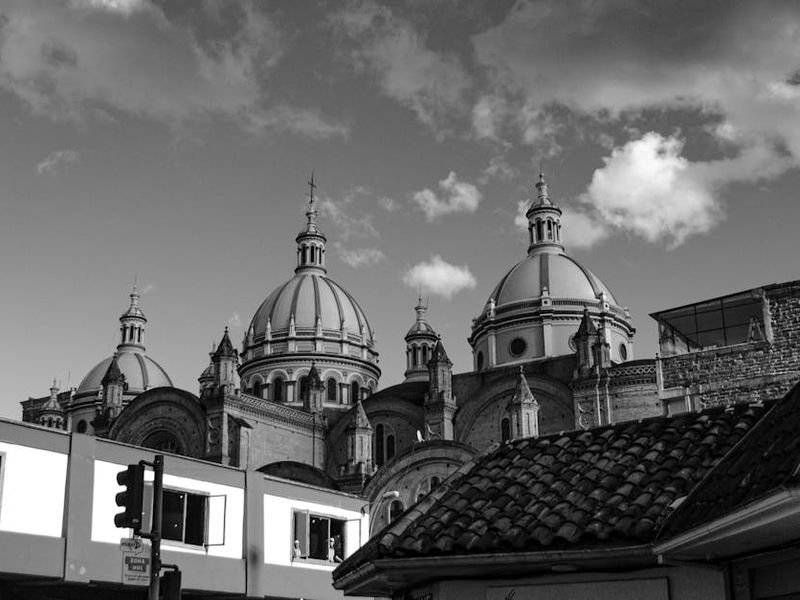
- Visit the New Cathedral (Catedral Nueva) and its iconic blue domes—short walks and benches make it easy to rest.
- Take a gentle riverside walk along the Tomebamba River or enjoy a café near Calle Larga for relaxed people-watching.
- Plan a day trip to Museo Pumapungo or a short, carefully paced excursion to El Cajas National Park—ask your dentist before booking anything strenuous.
- Explore artisan villages like Chordeleg and Gualaceo for shopping and light sightseeing (perfect for a slow afternoon).
Legalities, visas and insurance
Before you travel, check visa rules for your nationality—many visitors receive a 90-day tourist stay, but rules change. Verify entry requirements, passport validity, and any health screening protocols in effect at the time of travel.
Dental procedures are rarely covered by travel insurance, but travel health insurance can protect you against unexpected illness or emergency evacuation. If you have medical insurance at home, ask if any portion of treatment abroad can be reimbursed and retain detailed receipts.
Final tips for a safe and satisfying dental trip to Cuenca
Dental tourism can be rewarding when approached carefully. To summarize key takeaways:
- Do your homework—verify credentials, check reviews, and ask for references.
- Bring complete dental records and coordinate with your home dentist.
- Plan realistic timelines—implants often require months for healing.
- Acclimatize to altitude before major procedures and arrange post-sedation transportation.
- Budget for unexpected follow-ups and prioritize safety over the lowest price.
With thoughtful preparation, Cuenca can be a comfortable and cost-effective place to get quality dental care and enjoy a culturally rich city while you recover. Keep communication open with your chosen clinic, bring the right documentation, and allow time in your schedule to heal—your future smile (and peace of mind) will thank you.