
Table of Contents
Why Cuenca’s Historic Center Deserves World Heritage Status
Cuenca’s Historic Center, officially inscribed on the UNESCO World Heritage List, is a rare example of a living colonial city where the Spanish urban grid and Andean traditions merged and continue to shape everyday life. Strolling its streets reveals layered histories: Inca terraces and pre-Hispanic foundations beneath a skyline of bell towers, tiled domes and wooden balconies. The preservation of whole blocks, continuous use of buildings, and vibrant artisan culture are what make Cuenca special, not just isolated monuments.
Signature Architectural Features to Spot
When you walk through Cuenca, look for a few repeating design cues that mark the city’s character:
- Blue-tiled domes and towering bell towers punctuating the skyline.
- Wrought-iron balconies and carved wooden doors framing narrow, cobbled streets.
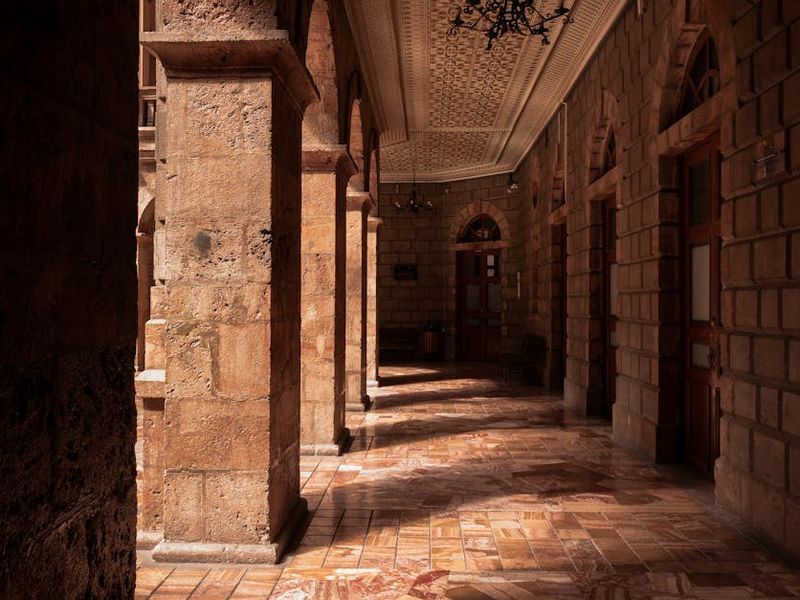
- Central courtyards or patios that provide light and cool microclimates.
- Red clay tile roofs and continuous cornices forming long, elegant rooflines.
- The layering of Spanish baroque, neoclassical and republican-era facades on Inca foundations.
These elements repeat across churches, civic buildings and private homes, and they form the visual language of Cuenca’s UNESCO zone.
Must-See Landmarks and Where to Find Them
While much of Cuenca’s beauty is discovered by wandering, some sites are essential for understanding the architecture and history:
- Catedral Nueva (Cathedral of the Immaculate Conception) – The cathedral with the striking blue domes dominates the main square. The exterior is immediately recognizable and the interior contains ornate altars and stained glass. The plaza in front is a great starting point for a walking tour.
- Plaza Calderón and Surrounding Streets – The central plaza is surrounded by neoclassical facades, cafés and government buildings. From here you can move onto Calle Larga and the network of alleyways lined with artisan shops.
- Pumapungo Archaeological Park and Museum – Built on Inca foundations, this site exposes pre-Hispanic terraces, water channels and everyday artifacts. The museum displays indigenous textiles and ceramics that help tell the continuity of design from pre-Columbian times to the colonial period.
- The Tomebamba River Walks and Bridges – The river terraces and stone bridges are as architectural as they are scenic. Take the riverside paseo for views of mansions rising from the embankments and small plazas tucked by the water.
- Las Herrerías and Calle Larga – These adjoining areas are full of antique shops, hat weavers, and restored houses with inner patios open to visitors. Calle Larga is also a good place to see living craftspeople at work.
- Turi Viewpoint – For a panoramic perspective of the historic center framed by the Andes, head up to Turi at sunrise or sunset. The view helps you read the city’s rooflines and urban pattern.
Suggested Walking Routes
Cuenca’s compact center rewards slow exploration. Here are two practical itineraries that focus on architecture:
One-Day Architectural Walk
- Begin at Plaza Calderón and spend an hour circling the cathedral and municipal buildings.
- Walk down Calle Larga to visit artisan shops and admire restored colonial homes with patios.
- Cross the Tomebamba by footbridge toward Pumapungo for the archaeological park and museum.
- Return along the river to enjoy late-afternoon light on the mansions and bridges.
- Finish with sunset from a rooftop terrace facing the cathedral domes.
Two-Day Deep Dive
- Day 1: Follow the one-day route but allocate more time inside museums and churches. Book a guided tour of one historic home that’s open to visitors.
- Day 2: Take a morning trip to Turi for broad views, then visit smaller neighborhoods such as El Vado and San Blas to witness vernacular architecture and community workshops. In the afternoon, explore the artisan markets and take a hands-on hat-weaving demonstration.
Practical Visiting Tips
To make the most of your architectural tour, consider these practical details:
- Altitude and weather: Cuenca sits at about 2,560 meters. Dress in layers and expect cool mornings and evenings. Rain can occur year-round but is most likely between October and May.
- Walking gear: Bring comfortable shoes with good traction for uneven cobblestones and occasional steep streets.
- Opening hours: Many churches are open in the morning and close in the mid-afternoon. Museums typically open around 9 or 10 a.m. and close by 5 p.m. Plan visits early to avoid crowds.
- Guides and tours: A local guide will point out architectural details you might miss and explain preservation issues. Small-group walking tours are common and worth the cost for the context they provide.
- Money: Entrance fees for museums are modest but often cash-only. Have small bills and change handy.
Photography and Respectful Viewing
Cuenca’s architecture is extremely photogenic, but remember that many buildings are active places of worship or private residences. A few tips for photographers:
- Golden hour from Turi or any rooftop terrace provides soft light on the domes and red roofs.
- Ask before photographing inside churches and be mindful of services or processions.
- Use a small, fast lens for tight street scenes; a wide lens helps capture courtyards and facades.
How to Support Preservation
Cuenca’s World Heritage status depends on community involvement and responsible tourism. Simple actions help:
- Pay museum and guided-tour fees; they fund conservation work.
- Buy from local artisans and cooperatives to sustain traditional crafts tied to architectural decor and textiles.
- Respect rules for historic buildings: no graffiti, no climbing on fragile walls, and keep to designated paths in archaeological zones.
Accessibility, Safety and Local Customs
While the center is walkable, its colonial fabric can be challenging for visitors with mobility issues. Many sidewalks are narrow and uneven, and most historic buildings were built before modern accessibility standards. If you need ramps or elevators, contact museums and hotels in advance to verify accommodations.
Cuenca is considered one of Ecuador’s safer cities for visitors, but petty theft can occur. Keep valuables secure, avoid poorly lit side streets at night, and use hotel safes. Taxis are inexpensive; arrange them through your hotel or use trusted local apps where available.
Sampling the City: Where Architecture Meets Daily Life
The best way to feel Cuenca’s architecture is to slow down and participate in daily life. Sit in a café on Calle Larga to watch balconies cast shadows across the street. Visit markets near the river to see how market stalls nestle against centuries-old walls. Attend a religious procession during Holy Week to observe centuries-old rites performed in historic churches. Eating at a restaurant located in a restored mansion is another way to experience adaptive reuse of heritage buildings.
Day Trips That Add Architectural Context
If you have extra time, consider short trips that deepen your understanding of regional architecture and landscape:
- El Cajas National Park – One hour away, the glacial landscape contrasts beautifully with Cuenca’s man-made skyline and shows how geography shaped settlement patterns.
- Nearby towns and haciendas – Small towns around the Azuay province hold colonial-era haciendas and churches that echo Cuenca’s styles in rural settings.
Final Notes: Read the City Above and Below Ground
Cuenca’s UNESCO center is a palimpsest: read it carefully and you will see pre-Hispanic terraces, Spanish planning, eclectic 19th-century rebuilds, and 20th-century restorations all in one block. Respect for this layered history is the key to enjoying the city. Walk slowly, ask questions, and let the domes and balconies guide you from plaza to plaza. Your curiosity, combined with a few practical precautions, will make your visit to Cuenca both beautiful and meaningful.
Ready your walking shoes, charge your camera, and give yourself the time to look up, down and into the courtyards — Cuenca’s architecture rewards the patient observer.