
Table of Contents
Why Regular Dental Check-ups Matter—Beyond a Bright Smile
Regular dental visits do more than keep your teeth white. They detect problems early, prevent more invasive and costly treatments, and protect your overall health. In Cuenca, where lifestyles range from traditional diets to modern conveniences, regular dental care helps you catch issues like cavities, gum disease, and oral infections before they affect your quality of life.
How Often Should You See a Dentist?
The classic answer is every six months, and that works as a general rule for most people. However, frequency should be tailored to your personal oral health:
- Low-risk adults: every 9–12 months if you have healthy gums and no history of cavities.
- Average-risk adults: every 6 months—a common schedule for cleanings and routine exams.
- High-risk patients: every 3–4 months if you have active gum disease (periodontitis), frequent cavities, dry mouth, or are undergoing certain medical treatments.
- Children: start dental visits by their first birthday or when the first tooth appears, then every 6 months or as advised by the pediatric dentist.
- Seniors: may need more frequent check-ups due to medication-related dry mouth, root decay risk, and denture maintenance.
Why the schedule varies
Biological factors (saliva, genetics), lifestyle (tobacco, diet), and medical conditions (diabetes, autoimmune disease) all influence how quickly oral problems develop. Dentists assess those risks and set a personalized recall schedule.
What Happens At a Routine Check-up in Cuenca?
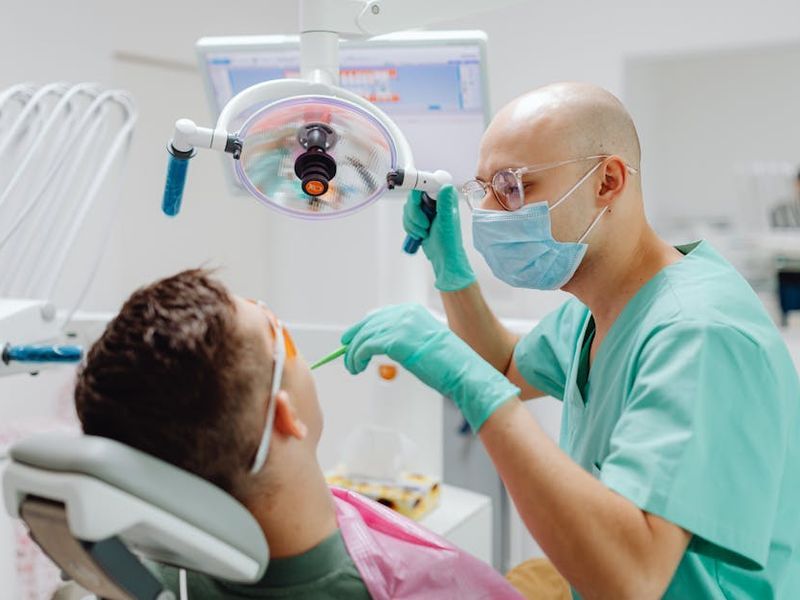
A standard appointment at a Cuenca dental clinic typically includes:
- An oral exam to check teeth, gums, tongue, and soft tissues.
- Professional cleaning (scaling and polishing) to remove plaque and tartar.
- Digital X-rays if needed—to spot cavities between teeth or check bone levels.
- Oral cancer screening—visual and manual checks for lesions or lumps.
- Discussion of homecare, diet, and any symptoms like sensitivity or bleeding gums.
Clinics in Cuenca vary in equipment. Many modern private practices use digital X-rays and offer English-speaking staff; smaller neighborhood clinics may provide solid basic care at lower prices.
Dental Services Commonly Needed by Residents and Expats
Beyond cleanings and exams, here are treatments frequently sought in Cuenca:
- Fillings: Conservative restorations for cavities.
- Root canals: To save infected teeth.
- Crowns and bridges: For broken or heavily restored teeth.
- Implants: A popular option for tooth replacement—many choose Cuenca for quality care at a lower cost than in North America or Europe.
- Orthodontics: Braces and clear aligners for adults and children.
- Periodontal therapy: Deep cleanings and maintenance for gum disease.
Cost Considerations and Dental Tourism
Cuenca is known for offering high-quality dental care at prices that are often lower than in the U.S., Canada, or Europe. That makes it attractive for expats and short-term visitors seeking major restorative work like crowns and implants. However, costs vary by materials, clinic reputation, and complexity. A few practical tips:
- Ask for a written treatment plan and cost estimate that lists materials and warranty terms.
- Compare at least two clinics for major procedures and request before/after photos from previous patients.
- Remember follow-up visits—implants and crowns require check-ups months later, so plan logistics if you’re visiting from abroad.
Finding a Dentist in Cuenca: Where to Look and What to Ask
Finding the right dentist is key to consistent oral health. Start with local expat communities—Facebook groups and WhatsApp chats in Cuenca often have up-to-date recommendations about English-speaking dentists, pediatric dentists, and specialists. You can also walk around neighborhoods near the historic center or Av. de las Americas, where clinics are common.
When you call or visit a clinic, ask:
- Are there English-speaking dentists or staff?
- What sterilization protocols do you follow?
- Do you provide digital X-rays and intraoral photos?
- Can I get a written treatment plan and cost estimate?
- Do you accept cards, bank transfers, or only cash?
Insurance, Payment, and Practicalities
Ecuador’s public health system and IESS (Ecuadorian Social Security) offer dental services to contributors, but wait times and coverage can be limited. Many expats choose private clinics for faster access and a wider range of services. Practical payment tips:
- Confirm whether the clinic accepts credit cards or prefers cash—some offer a small discount for cash payments.
- Ask if they can invoice for international insurance; some clinics will help you file claims with your insurer abroad.
- For major work, check if the clinic offers payment plans or staggered billing tied to treatment stages.
Language and Communication: Getting Care Without Misunderstanding
Communication is essential. If your Spanish is limited, request an English-speaking dentist or bring a trusted bilingual friend. Many dentists in Cuenca receive international patients and can explain procedures, risks, and aftercare in English. Don’t sign consent forms until you fully understand the treatment, alternatives, and expected outcomes.
Emergency Dental Care in Cuenca
Tooth emergencies happen—cracked tooth, severe pain, or swelling. For acute issues, private dental clinics typically offer same-day appointments; hospitals and some urgent care centers can handle infections and severe trauma. Important signs that require urgent attention:
- Intense, unrelenting pain that’s not eased by over-the-counter analgesics.
- Swelling affecting breathing or swallowing—seek emergency medical care immediately.
- Broken teeth with sharp edges causing soft-tissue injury.
- Fever with tooth pain—possible spreading infection.
Prevention: Daily Habits That Make Check-ups Easier
Regular check-ups pay off when you maintain healthy habits at home. Practical daily tips that reduce dental bills and visits:
- Brush twice daily with fluoride toothpaste for two minutes.
- Floss once a day—no substitute matches interdental cleaning.
- Limit sugary drinks and frequent snacking; Cuenca’s fruit juices are delicious but can add sugars.
- Use an alcohol-free mouthwash if dry mouth is a problem, especially if you take medications.
- Quit or reduce tobacco use; smoking increases gum disease and slows healing.
Children and Seniors: Special Considerations
Children need an age-appropriate approach: sealants on molars, fluoride varnish, and behavioral strategies to make visits positive. Pediatric dentists in Cuenca can provide education in Spanish or English and help with habit counseling (thumb-sucking, pacifiers).
Seniors should be vigilant about root decay, denture fit, and dry mouth from medications. Regular prosthetic checks, gentler hygiene instruction, and coordination with physicians for systemic health issues like diabetes improve outcomes.
Oral Cancer Screening and Systemic Health Links
Routine exams in Cuenca often include an oral cancer screening. Dentists look for suspicious white or red patches, lumps, and persistent sores. Early detection is crucial. Also, periodontal disease is linked with systemic conditions like heart disease and diabetes—managing gum health supports overall well-being.
Tips for Newcomers: First Visit Checklist
If you’re new to Cuenca, bring this to your first dental appointment:
- Passport or cédula (ID) and local contact details.
- List of medications and medical history (especially diabetes, cardiac conditions, or allergies).
- Previous dental records or X-rays if available—these speed diagnosis and planning.
- Questions about sterilization, materials used (e.g., ceramic vs. metal), and aftercare timelines.
A Final Word: Regular Care Saves Time and Money
Routine dental check-ups in Cuenca are an investment in long-term health. With thoughtful scheduling, clear communication, and good home care, you can minimize painful emergencies and expensive restorative work. Whether you’re an expat, a student, or a long-term resident, build a relationship with a trusted dental team—your smile (and wallet) will thank you.
Quick Resources
- Check local expat forums for up-to-date dentist recommendations.
- Ask about English-speaking staff when booking.
- Keep a written treatment plan and cost estimate for major procedures.
Regular dental visits are simple to arrange in Cuenca—start with a preventive appointment and let your dentist help you set the right schedule for your needs.