
Table of Contents
Welcome to Cuenca: What Makes This City Special
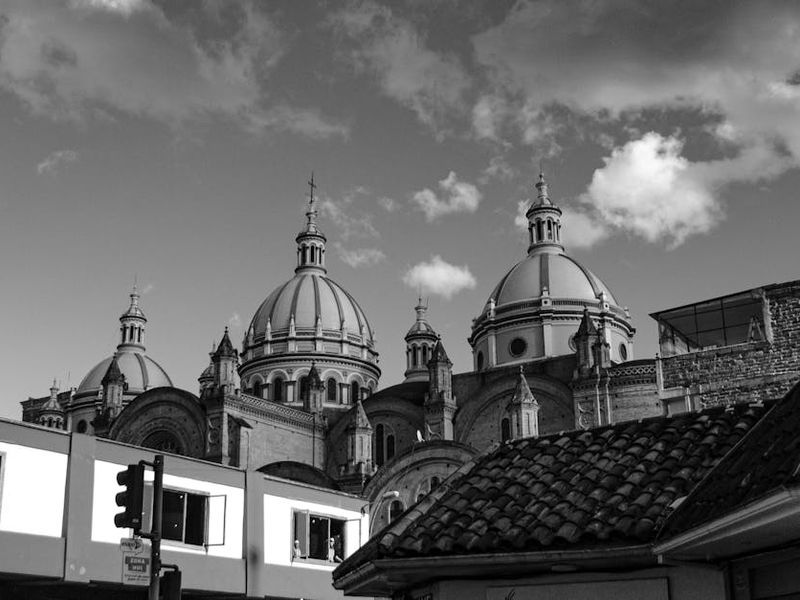
Cuenca, Ecuador’s southern jewel, blends colonial charm, cool Andean air, and a relaxed pace that draws both tourists and long-term residents. Designated a UNESCO World Heritage historic center, the city’s blue-domed cathedral, cobbled streets, and river-front promenades invite slow exploration. This guide gives first-time visitors practical, up-to-date advice so you can enjoy Cuenca with confidence.
Before You Leave Home: Practical Preparation
Start with a few basics: Cuenca’s currency is the U.S. dollar, so there’s no currency exchange hassle. Your phone likely needs either a local SIM (Movistar or Claro have the best coverage) or an eSIM if your carrier supports it—bring your passport for SIM registration. Download offline maps for the historic center and nearby parks, and save local emergency numbers (Ecuador’s 911 is the general emergency line).
Packing: Clothes and Gear
Cuenca sits at about 2,550–2,600 meters (8,366–8,530 feet). The climate is often described as “eternal spring”: days can be mild and sunny while evenings turn cool quickly. Pack layers—light sweaters, a warm jacket, a waterproof shell, and a sun hat. A compact umbrella is useful, as showers can appear unexpectedly. Comfortable walking shoes are essential because many streets are cobblestone.
Health and Altitude
Altitude sickness is possible, though many visitors adapt quickly. On arrival, rest, drink plenty of water, avoid heavy meals and strenuous exercise the first day, and limit alcohol. If you are sensitive, bring acetazolamide (consult your doctor beforehand) or stick to lighter activity while your body acclimates. Also bring any prescription medications and consider travel insurance that covers health care in Ecuador.
Getting to Cuenca and Getting Around
Cuenca’s Mariscal La Mar Airport (CUE) receives domestic flights and some international connections. Many travelers arrive by bus from Quito or Guayaquil; the trip is scenic and well-served by comfortable intercity buses. The Terminal Terrestre is the main bus hub if you come overland.
In-City Transport
The historic center is highly walkable—plan on exploring on foot to best appreciate plazas, churches, and riverside promenades. For longer distances, yellow taxis are inexpensive; hotels can call a trusted company for you. Ride-hailing apps such as Uber sometimes operate in Ecuadorian cities, but availability and legal status can vary—ask your hotel for the latest local advice. Public buses are extremely cheap and convenient if you’re comfortable with local routes; carry small change and watch for pick-up points.
Where to Stay: Neighborhoods for First-Time Visitors
Most visitors prefer the Centro Histórico for its walkability and proximity to classic sights: Parque Calderón (the main square), the New Cathedral with its iconic blue domes, and an array of cafés and restaurants. If you want quieter evenings or views, consider Turi, a hillside neighborhood with panoramic lookouts. For a longer stay, explore Barrio El Vado or areas near the Tomebamba River which balance tranquility with easy access to the old town.
Must-See Sights and How to Experience Them
Cuenca’s highlights can be enjoyed at a relaxed pace. Don’t rush the plazas and cathedral—sit at a café and watch daily life unfold. Here are some places to put on your list:
- Parque Calderón: The historic heart of the city with fountains, people-watching, and the cathedral’s blue domes.
- New Cathedral (Catedral de la Inmaculada Concepción): Iconic domes and impressive interior; climb nearby viewpoints for great photos.
- Old Cathedral (Catedral Vieja): Often used as a cultural space and for exhibits—check opening hours.
- Museo Pumapungo: Archaeological remains, ethnographic displays, and an on-site garden—great for context on the region’s history.
- Tomebamba River Walks & El Barranco: Lovely riverside paths with bridges, cafes, and artisan shops.
- Mirador de Turi: Best for sunset views over the city—go early to avoid crowds if possible.
Local Museums and Culture
Visit smaller museums like the Monastery museums to learn about colonial life, religious art, and local traditions. Check days and hours—many museums close on Mondays. If your timing aligns, catch a Sunday parade or a local festival for vibrant street life and traditional dress.
Food, Drink, and Eating Like a Local
Cuenca’s cuisine is a highlight. Try hearty Andean dishes such as llapingachos (cheese-filled potato patties), hornado (slow-roasted pork), and locro de papa (creamy potato soup). For a true local treat, taste helado de paila—artisan ice cream churned in a large metal pan—sold in plazas and markets.
Markets and Where to Eat
Head to the central markets for affordable light meals and to see daily life: stalls sell fresh fruit juices, salads, and soups. For mid-range to upscale dining, the area around Calle Larga and the Plaza del Vado offers a range of international and Ecuadorian fusion restaurants. If you’re adventurous, ask about trying cuy (guinea pig)—it’s a traditional specialty in many Andean towns, but optional.
Tipping and Payment
Many restaurants add a 10% service charge (servicio) to the bill—check before tipping. If it’s not included, a 10% tip is a nice gesture. Credit cards are accepted at many establishments, but smaller vendors and markets will want cash. ATMs are readily available; withdraw from bank branches when possible for added security.
Safety and Common Sense Tips
Cuenca is considered one of the safer large cities in Ecuador, but petty theft can occur—practice common-sense precautions. Use a hotel safe for your passport and extra cash, avoid displaying expensive jewelry and cameras in crowded areas, and be cautious with your phone on busy streets. At night, prefer well-lit routes and hail a taxi through your hotel if you’re unsure.
Useful Safety Habits
- Carry a copy of your passport rather than the original when sightseeing.
- Use ATMs inside banks or malls and avoid withdrawing large sums at night.
- Ask your hotel about any neighborhoods to avoid—local advice is the most accurate.
Money-Saving and Time-Saving Tips
Eat at market stalls for inexpensive, flavorful meals. Many museums offer discounted entry on certain days—ask about local promotions. Book popular day trips (Cajas National Park, Gualaceo and Chordeleg artisan towns) in advance during high season to guarantee a spot, or arrange them through your hotel for convenience. Use buses for intercity travel if you want a budget-friendly option; the scenic ride is part of the experience.
Day Trips and Experiences Outside the City
Cuenca makes an excellent base for exploring southern Ecuador. Popular day trips include:
- Parque Nacional Cajas: Less than an hour by car, this highland park has glacial lakes, páramo landscapes, and excellent hiking. Dress warmly and bring rain gear.
- Gualaceo and Chordeleg: Nearby artisan towns famous for woven goods, silver jewelry, and traditional crafts—great for shopping and photography.
- Ingapirca: The largest known Inca ruins in Ecuador—about 2–3 hours away by car and an excellent way to connect pre-colonial history to your visit.
- Local coffee or chocolate tours: Smaller farms near Cuenca offer tastings and behind-the-scenes looks at Ecuador’s growing specialty coffee and cacao industry.
Practical Itineraries for Your First Visit
Here are compact ideas for different trip lengths:
One-Day Sample
Morning: Walk Parque Calderón and tour the New Cathedral. Midday: Eat at a market and stroll the Tomebamba riversides. Afternoon: Museo Pumapungo and a visit to artisan shops. Evening: Sunset at Mirador de Turi and dinner in the historic center.
Three-Day Sample
Day 1: Follow the one-day route. Day 2: Take a half-day trip to the Cajas National Park or a coffee tour. Day 3: Visit Gualaceo and Chordeleg or explore lesser-known museums and neighborhoods like El Barranco; enjoy leisurely markets and sample helado de paila.
Cultural Etiquette and Helpful Spanish Phrases
Cuencana culture is warm and polite. A simple greeting goes a long way—say buenos días/tardes/noches when entering shops and restaurantes. People often greet with one cheek kiss among acquaintances. When visiting churches, dress respectfully—cover shoulders and remove hats. A few Spanish phrases to learn: hola (hello), por favor (please), gracias (thank you), ¿Cuánto cuesta? (How much does it cost?), ¿Dónde está el baño? (Where is the bathroom?).
Final Tips: Making the Most of Your Time
Take your time. Cuenca rewards slow travel: linger in plazas, chat with shop owners, and sample the small cafés that line the old streets. Protect your camera and phone from sudden rain, and savor evening meals when the city quiets down. If you’re considering an extended stay, Cuenca’s expat community is active and welcoming—visit local expat cafés and Facebook groups to get insider advice.
Quick Checklist for First-Time Visitors
- Bring layered clothing, sun protection, and a rain jacket.
- Plan for altitude acclimation—rest on arrival.
- Carry a copy of your passport and keep the original locked in your hotel safe.
- Have small bills and coins for markets and buses.
- Download offline maps and a translation app for on-the-go help.
- Ask your hotel for trusted taxi numbers and latest local guidance.
Cuenca is a traveler-friendly city with rich history, welcoming people, and accessible day trips. With a little preparation and an openness to slow exploration, your first visit can be both comfortable and unforgettable. Pack your sense of curiosity—and a warm layer—and get ready to fall for Cuenca’s calm, colorful charm.