
Table of Contents
Why Ingapirca is a Must-Visit When You’re Based in Cuenca
Just an hour and a half to two hours northwest of Cuenca, the Ingapirca ruins offer one of Ecuador’s most striking windows into the country’s pre-Columbian past. Unlike the classical stonework you’ll see in Peru, Ingapirca displays a layered story of Cañari people and Inca builders working on a dramatic ridge. For travelers living in or visiting Cuenca, a trip to Ingapirca makes a perfect day trip—rich in history, scenic drives and local culture.
Quick Facts to Orient You
Before you go, here are a few baseline facts to keep in mind so you can plan with confidence:
- Location: Ingapirca is in Cañar province, north of Cuenca along the Panamericana (E35).
- Distance and driving time: Approximately 70–80 kilometers from Cuenca; expect 1.5–2 hours by car or shuttle depending on traffic and stops.
- Altitude: Ingapirca sits near 3,000–3,200 meters above sea level—higher than Cuenca’s ~2,560 m, so bring layers.
- Site focus: The Sun Temple (Templo del Sol), terraces and mixed Inca–Cañari masonry.
History in Brief: Cañari Foundations and Inca Refinements
Many visitors come for the iconic Sun Temple, but the full story is richer. Long before the Incas moved north, the Cañari people inhabited this part of the highlands. When the Inca Empire expanded into present-day Ecuador in the 15th century, they met established Cañari settlements and often incorporated local construction and ritual spaces into their designs. Ingapirca is a physical record of that encounter—Cañari stonework forms the foundations and terraces, while distinctive Inca techniques, like precisely cut and fitted stones at the Sun Temple, were added later.
The main elliptical structure commonly referred to as the Sun Temple served both ceremonial and astronomical functions. Its design aligns with solar phenomena, and even today the setting feels intentional—built to capture light and shadow in ways that marked agricultural and ritual calendars.
Getting There from Cuenca: Options and Practicalities
There are three common ways to reach Ingapirca from Cuenca: public bus, private shuttle or self-drive. Each has advantages depending on your comfort level and time constraints.
1. Public Bus (Most Budget-Friendly)
Catch an interprovincial bus from Cuenca’s main terminal. Buses heading toward the north (Riobamba, Ambato or Quito) will pass close to Ingapirca. You can ask the driver to drop you at the Ingapirca turnoff or at the nearby village. Expect a local final leg by colectivo or taxi if the bus does not stop at the ruins themselves. The journey is scenic but less flexible—plan around timetables and the return bus schedule.
2. Private Shuttle or Tour (Hassle-Free)
Many tour operators in Cuenca run half-day or full-day tours to Ingapirca. These typically include hotel pickup and drop-off, an English-speaking guide and sometimes a stop in a nearby town for lunch or shopping. A guided tour is a good choice if you want context while minimizing logistics.
3. Self-Drive (Most Flexible)
Renting a car gives you the freedom to stop at viewpoints, markets and villages along the Panamericana. The drive follows paved roads for most of the way, but be aware of narrow stretches, livestock and slower trucks. Allow time for wandering—the road between Cuenca and Ingapirca is dotted with small towns and photo-worthy landscapes.
How Long to Spend on Site and Suggested Timings
Most visitors spend 1.5–3 hours exploring Ingapirca. If you’re a history buff, photographer or want to hike the surrounding terraces, plan for half a day. For a relaxed experience, leave Cuenca early (7:00–8:00 a.m.) to arrive in the morning light and avoid afternoon clouds and potential rain.
- Morning visit: Best for light, cooled temperatures, fewer visitors and sharper photos.
- Afternoon: Warmer and sometimes busier, with dramatic skies when clouds build.
- Solstice/equinox: Special ceremonies occur around these dates; expect more crowds but memorable cultural events if your trip lines up.
Best Ways to Explore the Ruins: Self-Guided vs. Guided
Onsite interpretation signs provide basic information, but hiring a guide will enrich your visit. Guides explain the archaeological layers—the Cañari foundations versus Inca refinements—and point out subtle features, such as niches for offerings and drainage channels built into terraces. If you’re traveling on a tight budget, download a guide app or bring a field guide on Andean archaeology to follow along.
What to Bring: Practical Packing List for Ingapirca
The weather up here can shift quickly; pack for adaptability. Here’s a checklist to keep you comfortable and safe:
- Layered clothing: a warm fleece, windbreaker and a light base layer.
- Sturdy walking shoes or hiking sneakers—paths can be uneven.
- Sunscreen and a wide-brim hat—the sun is strong at altitude.
- Water and snacks—limited on-site food options; buy water before you arrive.
- Cash for entrance fees, guide tips and snacks; ATMs near the ruins are limited.
- Camera and extra batteries; consider a polarizing filter for blue Andean skies.
- Small backpack and rain cover; afternoons can bring showers during the wet season (roughly October–May).
Photography and Drone Guidance
Photography at Ingapirca is rewarding: the interplay of stonework and sweeping mountain views makes for striking compositions. Early morning or late afternoon light softens the stones and creates long shadows. If you plan to use a drone, check Ecuador’s national and local regulations—drone use at archaeological sites may be restricted or require permits, and park rangers politely enforce these rules. A long lens is useful for intimate details while a wide-angle captures the Sun Temple in its setting.
Nearby Experiences to Extend Your Trip
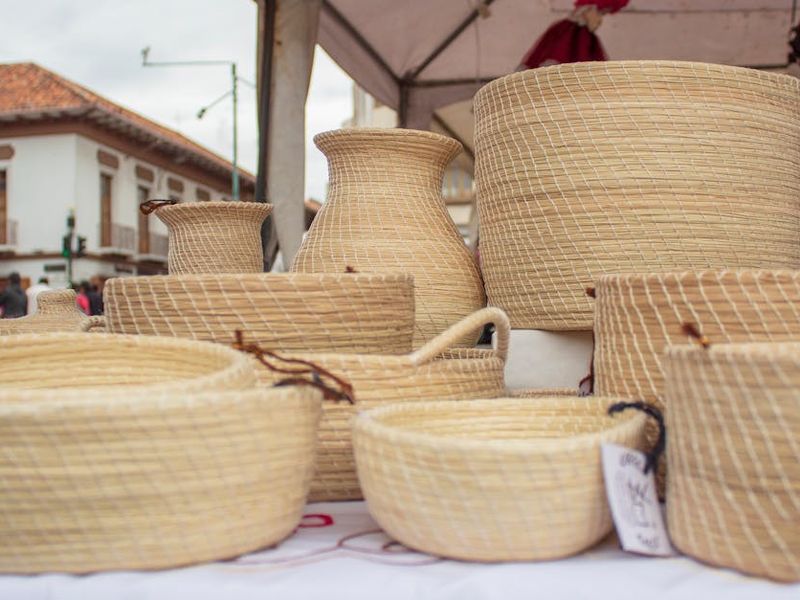
Turn your day trip into a cultural loop by stopping at small towns and markets en route. The regional markets sell woven textiles, pottery and produce—great for souvenirs and cultural immersion. Consider these nearby options:
- Visit the municipal market in a nearby canton for fresh bread, empanadas and regional cheese.
- Explore Cañar or Azogues for colonial churches and local life—perfect for a slow lunch.
- Combine Ingapirca with a visit to a nearby hacienda for a traditional meal like hornado or locro.
Food and Drink: What to Taste on the Way
The highland cuisine around Ingapirca is hearty. If your schedule allows, stop for a local meal—typical dishes include roasted pork (hornado), bean stews, and hearty soups like locro. From Cuenca, you’ll already have access to excellent restaurants and markets; consider grabbing sandwiches or a thermos if you’re self-driving and want more flexibility. Also try regional snacks like bizcochos and fresh fruit sold at roadside stalls.
Respectful Travel: Cultural and Environmental Considerations
Ingapirca is a cultural heritage site and an active part of local identity. Respect the site by staying on marked paths, not climbing on fragile walls, and avoiding removal of stones or artifacts. Engage with local vendors and guides to support the economy—buying a small textile or paying for a guided tour directly benefits families in nearby towns. If you encounter ceremonial activities, observe respectfully and ask before photographing participants.
When to Avoid the Crowds and Weather Hazards
Weekends and Ecuadorian holiday periods tend to be busier, especially during solstice events. The rainy season brings afternoon showers and sometimes muddy trails, so plan morning visits if possible. If you’re sensitive to altitude, allow an extra day in Cuenca to acclimatize before traveling to Ingapirca.
Sample Itineraries from Cuenca
Here are three realistic itineraries depending on your travel style:
- Budget day: Early bus from Cuenca to the Ingapirca turnoff, hike and self-guided explore, pick up picnic supplies in Cuenca and return by evening bus.
- Comfortable day: Private shuttle with a bilingual guide, stops at a local market and a nearby village for lunch, return in the late afternoon.
- Slow traveler: Rent a car, arrive early, combine Ingapirca with visits to Azogues and a local hacienda stay overnight to enjoy evening stargazing.
How Ingapirca Compares to Other Andean Sites
While Machu Picchu and sites in Peru are more famous, Ingapirca offers a quieter, more intimate experience. The ruins are less crowded, and because the layout preserves Cañari elements incorporated by the Incas, the site tells a story of cultural blending rather than imperial monolith. If you’re based in Cuenca, Ingapirca is a unique complement to the city’s colonial architecture and museums—a reminder of Ecuador’s deep indigenous roots.
Final Practical Tips and Takeaways
Plan your visit with these final reminders in mind: leave Cuenca early to get the most out of your day; bring cash and layers; consider hiring a guide to unlock the archaeological stories; and extend your trip by exploring nearby towns and markets. Whether you’re a history lover, photographer, hiker or curious traveler, Ingapirca rewards time and attention with fascinating stonework, panoramic views and a chance to connect with living traditions of the Andes.
With easy access from Cuenca, Ingapirca fits neatly into any Ecuador itinerary. Treat it not as a quick photo stop but as a thoughtful visit—observe, listen and let the layered stones tell you about the Cañari people and the Inca builders who left this enduring legacy in the highlands.