
Table of Contents
Why Cuenca’s Historic Center Is Exceptional
Cuenca, officially Santa Ana de los Ríos de Cuenca, earned UNESCO World Heritage status in 1999 for a living historic center where colonial urban planning, distinctive facades and continuous use have blended into a vibrant modern city. Unlike frozen open-air museums, Cuenca’s old town remains a working city: people live above shops, churches still ring their bells and rivers carve terraces through neighborhoods. The result is an architectural fabric that’s both remarkably intact and genuinely used.
Quick orientation: key landmarks to know
Before you set out, get familiar with these anchor points. They will help you navigate the narrow streets and structure your visit.
- Parque Calderón – The central plaza around which the main cathedral and civic buildings cluster.
- Catedral Nueva (Catedral de la Inmaculada Concepción) – Famous for its blue domes glazed with imported tiles.
- Tomebamba River terraces – Lower riverwalks and landscaped banks that reveal the city’s layered urban development.
- Museo Pumapungo – Archaeological site and museum that links pre-Columbian heritage with the colonial city.
- Turi viewpoint – A short ride uphill for sweeping panoramas of the historic center and the surrounding Andes.
Understanding the architectural language of Cuenca
When you stroll through Cuenca’s historic center, look for recurring motifs that tell a story of centuries of construction and adaptation:
- Colonial grid – Spanish urban planning imposed a formal grid, with plazas and straight streets radiating from the main square.
- Wrought-iron balconies and carved wooden doors – Local craftsmanship is visible in detailed railings and heavy carved portals, sometimes painted in vibrant colors.
- Clay tile roofs and inner patios – Many houses are organized around a shaded patio, an architectural form that controls microclimate and social life.
- Religious architecture – A mix of baroque, neoclassical and republican styles appears in churches and convents. The New Cathedral’s blue-tiled domes are an instantly recognizable feature.
Top places to visit (and what to look for)
Don’t just tick boxes: take time to notice textures, materials and details that reveal the city’s evolution.
1. Parque Calderón and the Cathedral
Start at the main square. The Catedral Nueva dominates the skyline with its powder-blue domes—glazed tiles originally sourced from Central Europe—while the neighboring older cathedral and municipal buildings show different periods of design. Photograph the domes from the plaza at golden hour when the light softens the stone and brings out colors in the tiles.
2. The Tomebamba River terraces
Walk down toward the river to see how the city uses its banks. Lush terraced gardens, small bridges and the layering of streets reveal how Cuenca grew from its waterways outward. The riverbanks are especially photogenic after light rain, when reflections double the façades.
3. Museo Pumapungo and archaeological layers
Museo Pumapungo sits on top of Inca and pre-Inca ruins; its displays connect the indigenous past with colonial transformations. The outdoor archaeological remains and reconstructed houses provide context for the built environment you’ll see across the historic center.
4. Narrow streets and neighborhood churches
Explore small plazas and side streets to find lesser-known churches, convent courtyards and old homes with carved stone lintels and tile work. These quieter spaces often hold the most authentic architectural details.
5. Turi viewpoint
A short taxi ride up to Turi rewards you with a panoramic view of the red-tiled roofs and church domes set against Andean ridgelines—helpful for understanding the city’s topography and how river valleys shaped its plan.
Self-guided walking routes
Choose a route based on how much time you have and how deeply you want to explore.
2-hour highlights loop
- Start at Parque Calderón and circle the cathedral.
- Stroll down to the Tomebamba terraces and cross a riverside bridge.
- Return through a few side streets—look for historic doorways and small artisan shops—ending with coffee near the main plaza.
Half-day architectural deep-dive (3–4 hours)
- Begin at Museo Pumapungo to ground yourself in the pre-colonial past.
- Walk to the cathedral, examine the exterior details and—if available—climb the tower for a city view.
- Wander the artisan alleys near the river and finish at a rooftop café for late afternoon light.
Full day: neighborhoods, museums and viewpoints
- Morning at Museo Pumapungo and the surrounding ruins.
- Midday stroll through historic neighborhoods, visiting convent museums or galleries that interpret colonial life.
- Late afternoon at Turi for sunset, then dinner in the center.
Guided tours vs. self-guided exploration
Both have strengths. Guided tours deliver historical context: dates, architectural terms and restoration stories that make facades come alive. Private walking guides can tailor the route to your interests—baroque ornamentation, restoration techniques or artisan studios. Self-guided walks give you flexibility to linger in courtyards and photograph details at your own pace. Many visitors combine both: a guided morning tour followed by an afternoon of independent wandering.
Practical tips for visiting historic buildings
- Opening hours: Churches and museums often close midday for siesta hours—check times in advance.
- Entry fees: Museums like Museo Pumapungo charge modest admission; many churches accept donations rather than charging set fees.
- Dress and behavior: Respect places of worship—modest attire and quiet behavior are appreciated.
- Altitude: Cuenca sits around 2,560 meters (about 8,400 feet). Move at a relaxed pace your first day, hydrate and avoid strenuous climbing immediately after arrival.
- Cash and cards: Small vendors and some museums prefer cash (Ecuador uses US dollars). ATMs are available in the center, but small change is handy for tips and minor purchases.
Accessibility and mobility considerations
Cuenca’s charm includes cobblestone streets and historic stairways, which can be challenging for visitors with mobility issues. Main plazas and many museum entrances are relatively accessible, but side streets often have uneven stones. If you require assistance, ask at your hotel for suggestions; many boutique hotels offer shuttle recommendations and can arrange guided visits with accessible routes.
Photography tips for architectural shots
- Golden hour is key: Early morning and late afternoon light flatter facades and reduce harsh shadows.
- Seek viewpoints: Rooftop cafés and the Turi viewpoint give context to the domes and rooftops.
- Frame with street life: Capture the blending of old and new—vendors, balconies with hanging laundry, and people on benches add narrative to architectural shots.
- Watch reflections: After rain, the Tomebamba often produces beautiful reflective surfaces.
Conservation: how the city protects its heritage
Maintaining a living historic center requires balancing conservation with modern needs. Local authorities, universities and heritage organizations collaborate on restoration projects, seismic retrofitting and regulations that control signage, color palettes and building alterations. Tourists can support conservation by choosing locally owned businesses, visiting municipal museums and following signage that directs visitors to off-limit restoration sites.
Where to eat and relax near the historic core
Cuenca’s culinary scene compliments its architecture. After a morning of wandering, try a neighborhood café for locally roasted coffee and fresh bread. Many restaurants—ranging from family-run eateries to contemporary bistros—line the streets leading away from Plaza Calderón. Look for spots with rooftop terraces so you can continue enjoying the city’s skyline as you dine.
Shopping for crafts and artisan workshops
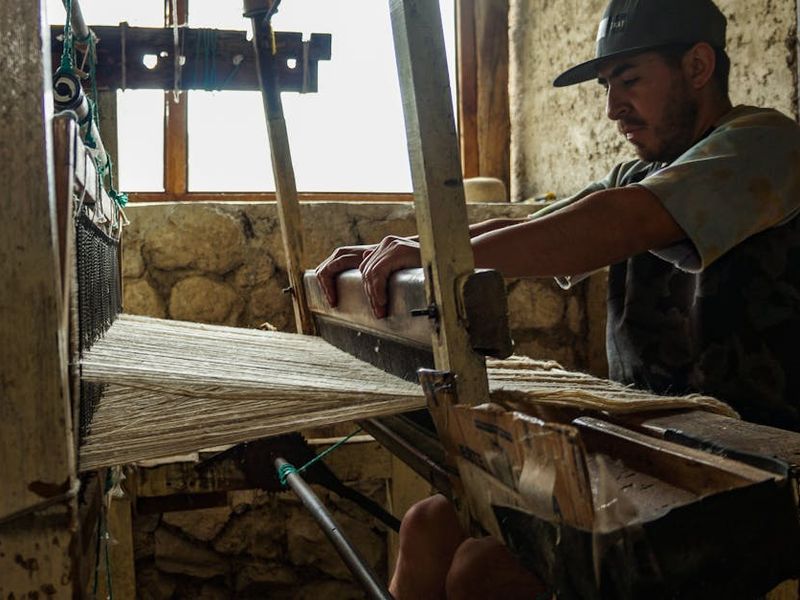
Cuenca is renowned for artisanal goods: finely woven hats, silverwork, leather and textiles. Rather than buying from tourist stalls alone, walk a few blocks into side streets to find workshops where artisans craft items on-site. Buying directly supports the preservation of traditional skills tied to the city’s identity.
Best times to visit and weather considerations
Cuenca enjoys a mild climate year-round. The dry season (roughly June through September) offers clearer skies and easier walking; however, the city is charming rainy season too, when gardens and riverbanks are lush. Weekdays are quieter in the historic center—if you prefer to avoid crowds, plan your main sightseeing for early mornings or midweek.
Useful logistics and getting there
Cuenca is accessible by flights to Mariscal Lamar Airport (CUE) with connections from Ecuador’s larger cities, and by comfortable intercity buses from Quito and Guayaquil. Taxis and buses can get you from the airport to the historic center in roughly 20–30 minutes. If you plan to visit surrounding highland towns, base yourself in the historic center for easy access to tours and transport hubs.
Respectful travel and supporting local stewardship
Preserving Cuenca’s UNESCO-listed fabric is a shared responsibility. Simple actions—sticking to marked paths, not touching delicate carvings, keeping noise levels down in religious spaces, and supporting local guides and businesses—help maintain the buildings you came to see. Ask questions, learn about ongoing restoration projects and, if possible, visit a local museum or heritage center to deepen your appreciation of the city’s layered history.
Final thoughts: how to make the most of Cuenca’s architecture
Cuenca rewards slow travel. Take time to sit in a plaza with a coffee and watch daily life, then follow a side street that seems to invite curiosity. Whether you’re here for a weekend or longer, balance guided interpretation with free-roaming exploration. By combining museums, viewpoints, artisan workshops and careful observation of details—tiles, ironwork, patios—you’ll leave with a fuller sense of how the city’s architecture tells the story of its people across centuries.
Ready to explore? Put on comfortable walking shoes, charge your camera, and let Cuenca’s blue domes and hidden courtyards reveal themselves one street at a time.