
Table of Contents
Why this guide matters
Cuenca’s compact historic center, leafy avenues and surrounding Andean highlands make it one of Ecuador’s most walkable cities — but knowing the local transit options will save you time, money and stress. This guide explains how to use the modern tram, local buses, taxis and airport transfers, plus tips on cycling and planning day trips from Cuenca. Whether you’re a new expat, long-term resident or short-term visitor, these practical pointers will help you move around like a pro.
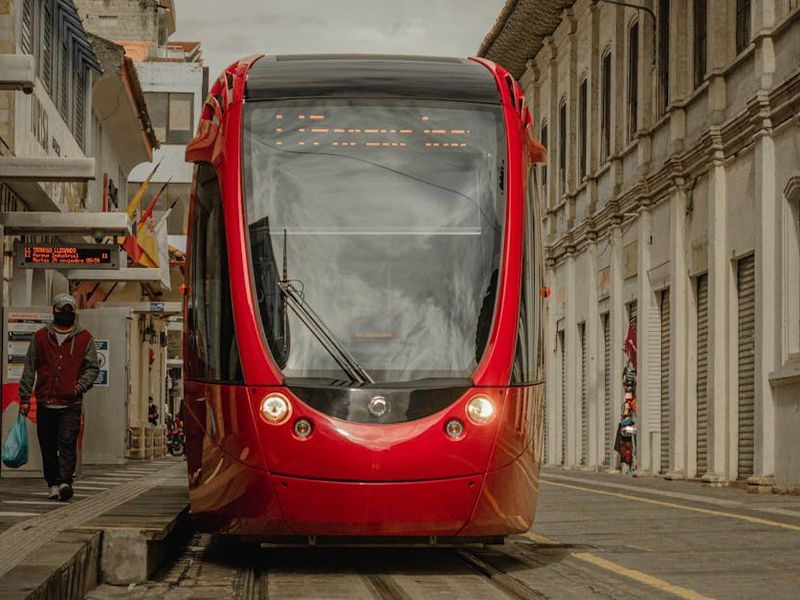
The backbone: Tranvía (Cuenca’s light rail)
The Tranvía de Cuenca is the city’s modern light-rail line and a favorite for commuters and visitors. It’s electric, air-conditioned and comfortable — a fast way to cross parts of the city without negotiating traffic. The tram connects several major corridors and runs through or near the historic center, making it a convenient option for daily commuting or sightseeing.
How to ride
- Buy a rechargeable transport card at tram stations or at authorized kiosks. The card is used to tap in and out at station gates.
- Stations are easy to spot by signage and platform shelters; wait behind the yellow safety line until the tram stops completely.
- Priority seating is reserved for seniors, pregnant people and those with disabilities — it’s polite to offer these seats when asked.
Practical tips
Travel during peak morning and evening hours can be crowded, so leave earlier if you have important appointments. The tram runs on a schedule but frequency varies by day; check posted timetables and station displays. Keep your card topped up in small increments — kiosks inside stations accept cash and most cards.
The classic local option: Cooperativa buses (micros)
Everyday local buses—often run by small cooperatives—crisscross Cuenca’s neighborhoods. They are the cheapest way to travel and reach corners the tram does not. Buses stop frequently along their routes and typically have a driver and a conductor who collects fares.
How to use the buses
- Board through the front door and tell the conductor your destination. Keep small bills and coins handy; many drivers can’t make large change.
- Some buses display route numbers and major stops; others use destination signs in the windshield. If unsure, ask the driver or a fellow passenger.
- When you want to get off, press the bell or verbally tell the conductor. On long routes, signal early so the driver can find a safe place to stop.
Safety and comfort
Buses are generally safe, but petty theft can happen in crowded conditions. Keep bags zipped and in front of you, and avoid displaying valuables. Many buses are older and lack air conditioning; during high season they can get warm and busy. If you prefer a more comfortable ride, combine the tram with short taxi rides.
Taxis: quick, convenient, and flexible
Taxis are plentiful in Cuenca and often the best choice for late-night rides, short trips that would be cumbersome by bus, or when you have heavy luggage. There are both street-hail taxis and dispatch services (radio taxis) you can call.
Using taxis smartly
- Agree the fare before you start if the taxi does not use a meter. Many drivers will quote a fixed price for airport runs or trips to outlying neighborhoods.
- For safety, use recognized radio taxi companies (they have orange or blue decals) or order through a hospitality desk at hotels and restaurants.
- If you prefer app-based rides, check whether global apps like Uber or regional alternatives operate reliably in Cuenca; availability changes over time.
Taxi tips
Ask for a printed or digital receipt if you need it for expense tracking. Keep small bills for payment, as drivers may not have much change during a shift. If you’re traveling alone late at night, share your location with someone and note the taxi’s license plate.
Airport transfers: getting to and from Mariscal La Mar
Cuenca’s airport (Mariscal La Mar) lies outside the city center, and several transfer options exist: airport shuttles, taxis, private transfers and sometimes local buses. If you arrive with luggage or at odd hours, a taxi or pre-arranged shuttle is the most comfortable option.
Practical airport advice
- Pre-book a shuttle through your hotel or a trusted ground transport provider to avoid overpaying at the airport’s taxi stands.
- If you choose a taxi, ensure the driver uses the agreed price and confirm whether tolls or parking fees are included.
- Some hotels offer complimentary airport pickups for guests — ask when booking.
Intercity buses: travel beyond Cuenca
Cuenca is a regional transport hub with frequent intercity buses to destinations such as Quito, Guayaquil, Loja, and smaller towns like Gualaceo or Chordeleg for artisans and markets. The main bus terminal (Terminal Terrestre) handles long-distance departures and arrivals and has amenities such as ticket counters, restrooms and small food stalls.
Booking and boarding
- Buy tickets at the terminal or online from reliable operators when possible; weekend and holiday buses can sell out, so book ahead for popular routes.
- Arrive at the terminal at least 30–60 minutes before departure for domestic routes to allow time for check-in and boarding.
- Keep your luggage tags and receipts until you reclaim your bags at your destination.
Cycling and walking: enjoy Cuenca’s human-scale design
Cuenca’s historic center is compact, with cobblestone streets and plazas that invite walking. Sidewalks are generally good in the Centro Histórico, and many neighborhoods are pleasant for strolling. Cycling culture is growing: there are dedicated bike lanes along some avenues, rental shops and an active community of cyclists.
Using a bike in Cuenca
- Rent from a reputable shop; they can recommend routes that avoid steep hills and busy roads.
- Wear a helmet and reflective clothing if you ride at dawn, dusk or in rain — mountain roads and cobblestones can be slick.
- Combine biking with public transport by locking your bike at stations or leaving it at accommodation; not all buses or the tram permit bicycles during peak hours.
Accessibility and special considerations
The tram and many newer public facilities strive to be accessible with ramps and priority seating. However, older buses and historic areas with cobblestones can be challenging for people with mobility issues. If you need assistance, contact hotels or transit authorities in advance to confirm accessible services or request help at stations.
Common etiquette and cultural notes
- Greet drivers or conductors with a brief “buenos días” or “buenas tardes” — politeness goes a long way in Ecuador.
- Offer seats to elderly passengers, pregnant women and people with disabilities.
- Be mindful of pickpockets in crowded buses or tourist spots; carry valuables discreetly.
Useful tools and resources
Several digital and local resources make navigation easier. Google Maps works well for walking directions and many bus stops; transit apps like Moovit or local journey planners may offer bus routes and schedules. Local Facebook groups and expat forums are practical for real-time tips — for example, warnings about detours, strikes or service disruptions.
Money, fares and ticketing — what to expect
Payment systems vary: the tram uses a rechargeable card, while many buses accept cash only. Keep change on hand and avoid large bills for short rides. For intercity travel, digital payment and card options are increasingly common at main terminals, but always carry some cash for taxi drivers or small kiosks around stations.
Safety, strikes and service disruptions
Public transport in Cuenca is generally safe and reliable, but occasional strikes, roadworks or protests can disrupt service. Check local news and expat community posts during major holidays or political events. If a service interruption occurs, taxis and private shuttles are often available as alternatives, though they can be more expensive.
Sample daily itineraries using public transit
Here are two sample ways to move around without renting a car:
Morning market run + lunch in the park (budget-friendly)
- Take the tram into the historic center to start near a main plaza.
- Walk to the municipal market for breakfast and shopping — it’s within easy walking distance from central tram stops.
- Return on a local bus or walk if the weather is pleasant.
Day trip to Cajas National Park (nature escape)
- Book a shuttle or intercity bus from the Terminal Terrestre to an access point for Cajas (many tour operators and hotels can arrange this).
- Hire a local guide or join a guided group for the park to make the most of short-day hikes and safety in high-altitude conditions.
Final tips for newcomers and visitors
Start by learning the tram stops near your accommodation and the nearest major bus lines. Keep a small notebook with common destinations (hospital, police station, market) written in Spanish to show drivers if necessary. Practice basic phrases like “¿Cuánto cuesta?” (How much does it cost?) and “¿Me puede llevar a…?” (Can you take me to…?).
Invest time in observing the flow of traffic and peak travel times in your neighborhood. Over time you’ll find the blend of tram, buses, taxis and walking that fits your budget and lifestyle. Cuenca’s transit system may not be perfect, but it’s affordable and gets you to most places you’ll want to go — with the added benefit of experiencing daily life in one of Ecuador’s most charming cities.
Quick checklist before you head out
- Recharge your tram card and carry small change.
- Download maps and transit apps for offline use when possible.
- Note terminal and tram station names in Spanish to show drivers.
- Use reputable taxi services at night and for airport trips.
- Keep valuables secure, especially on crowded buses and at busy stops.
With these tips and a little local knowledge, navigating Cuenca becomes straightforward and enjoyable. Embrace walking through the Centro Histórico, enjoy the efficiency of the tram, and use buses and taxis to reach neighborhoods and nature beyond the city center. Happy travels!