
Table of Contents
Why Cuenca is a Great Base for Active Expats
Cuenca’s combination of mild climate, walkable neighborhoods, dramatic mountain scenery and an active local population makes it one of South America’s most attractive cities for expats who want to maintain — or upgrade — their fitness routine. Whether you’re a weekend mountain biker, a competitive swimmer, or someone who prefers morning yoga by a river, Cuenca delivers a variety of facilities and outdoor playgrounds. This guide walks you through the best places to train and play, plus realistic expectations about costs, language, and what to bring.
Outdoor Essentials: Rivers, Parks and National Parks
One of Cuenca’s biggest advantages is its outdoor infrastructure. The Tomebamba River runs through the city and is flanked by wide, paved promenades that are ideal for walking, jogging, and group runs. The flat, scenic sections near the historic center are especially popular with morning runners and senior walkers.
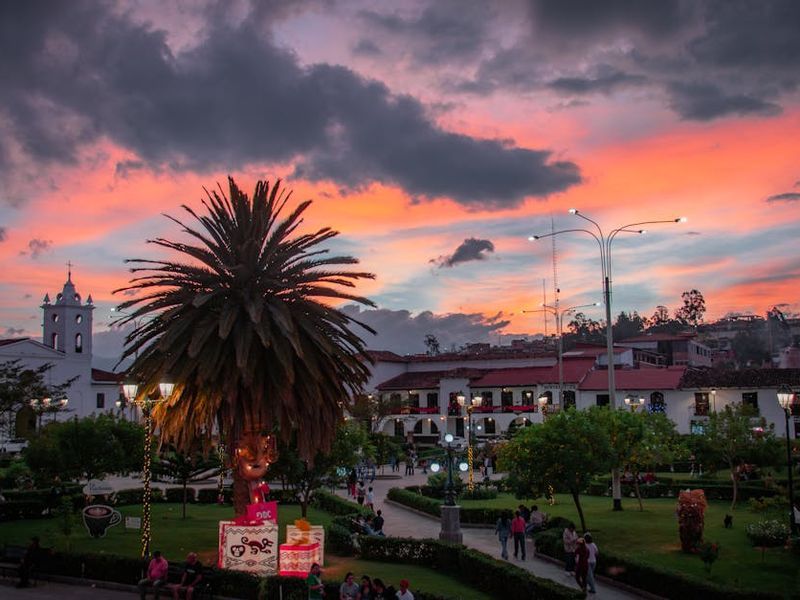
Parque La Madre and Parque Calderón provide open spaces for calisthenics, tai chi and informal pickup games. If you want serious trail running, mountain biking or day hikes, El Cajas National Park — a 45–60 minute drive from the city — offers high-altitude lakes, jagged ridgelines and miles of trails. Many organized mountain-biking groups use Cajas for weekend rides and training climbs.
Practical tips for outdoor workouts
- Start workouts earlier to avoid afternoon showers and the strongest sun.
- Because Cuenca sits around 2,500–2,600 meters (8,200–8,530 feet), allow 7–10 days for mild acclimatization before intense interval sessions.
- Carry water and a light windbreaker — weather can change quickly in the highlands.
- Use Strava or local Facebook running groups to find scheduled group runs; they’re welcoming and a great way to meet locals.
Gyms, CrossFit and Functional Training Spaces
There’s no shortage of gyms in Cuenca. From small neighborhood fitness centers with treadmills and weights to purpose-built CrossFit boxes and boutique studios focused on HIIT, you can find a place that fits your training style and budget. Many gyms offer monthly memberships with drop-in classes for visitors.
Expect typical monthly gym fees to be significantly lower than North American or European prices. As a ballpark, local neighborhood gyms often run in the $20–$40 USD per month range; mid-range facilities and specialty studios (CrossFit, Pilates, spin) may range from $30–$80 depending on how many classes you book. Some upscale private clubs with pools and tennis courts can be higher.
How to choose the right gym
- Visit during peak hours (6–8am, 5–8pm) to see how crowded it gets.
- Ask about class schedules in advance — many classes are in Spanish, so request a translated schedule or an English-speaking instructor if needed.
- Negotiate short-term trials or week passes before committing to a long membership.
- Use expat Facebook groups to read recent reviews and get honest feedback on equipment and cleanliness.
Swimming and Aquatics
Swimming options include municipal pools, private club pools, and hotel pools offering lap hours. If you’re training for triathlons or want structured coaching, look for masters swim groups affiliated with local tri clubs or universities. Lap pools are less common than in large North American cities, so plan ahead for lane availability.
Public pools are usually very affordable, and many private clubs include competitive lap hours and adult swim classes. If lap swimming is your priority, call ahead to ensure there are open lanes during your preferred times.
Suggestions for swimmers
- Bring flip-flops and a modest swim cap — some pools enforce conservative swimwear and cap policies.
- Private swim coaches can often be found through universities and the local swim federation; again, negotiate rates and session times.
- If you’ll be training for altitude, confer with a coach on adapting your interval sets and recovery lengths.
Soccer, Football and Team Sports
Soccer is an integral part of Ecuadorian culture, and Cuenca has both professional and amateur scenes. The Estadio Alejandro Serrano Aguilar is the main stadium in the city and home to Deportivo Cuenca — attending a match is a cultural experience and a good way to meet people. For weekly play, local amateur leagues and pickup games are organized across the city, especially on weekends.
Other team sports such as basketball, volleyball and futsal have organized leagues and community courts. Universities often host intramural competitions and are open to visitors depending on availability and affiliation.
How expats can join
- Watch local bulletin boards and Facebook groups for announcements of pickup games and weekend leagues.
- Introduce yourself at soccer fields — it’s common for teams to welcome one-off players as long as you’re reliable and communicative.
- Bring your own cleats and a basic first-aid kit; organized leagues usually require shin guards and modest registration fees.
Tennis, Pickleball and Racquet Sports
Cuenca has several private and municipal tennis courts. Racquet sports are popular among both locals and expats, and well-maintained courts can be found in city neighborhoods and country-club-style facilities. Pickleball is growing slowly but you’ll find players by checking expat community boards or asking at tennis centers.
If you prefer lessons, many tennis clubs offer group and private coaching. Court rental rates are typically much lower than in major US cities, and lesson prices are reasonable when booked directly with a coach.
Cycling, Mountain Biking and Road Routes
Cuenca is a cyclist’s playground. The city’s proximity to the Andes gives both road cyclists and mountain bikers excellent options. For road cyclists, long climbs and rolling agricultural roads exist within an hour’s ride. Mountain bikers love the technical trails and high-elevation singletrack in and around El Cajas National Park and in the upland páramo landscapes.
Local bike shops sell and service bikes; rental options are available for visitors. Group rides are common, and expat-friendly cycling clubs welcome newcomers. Be mindful of traffic on some rural roads and always wear lights and reflective gear when riding at dawn or dusk.
Safety and logistics for cyclists
- Carry a basic repair kit and spare tube; mountain conditions and rough roads can cause flats.
- Check tire choices—tubeless setups help for rocky mountain trails.
- Bring layers for wind and rain, and pack snacks for long rides outside the city.
- Bus transport for bikes is sometimes available for Cajas and surrounding areas; confirm with providers before you go.
Climbing, Adventure Sports and Organized Tours
For rock climbing and technical mountaineering, nearby ranges and national parks provide training grounds and guided experiences. Several local adventure guides and outfitters organize rock climbing, canyoneering, multi-day hikes and high-elevation treks. If you’re new to Andes-style climbing, book guided trips that include safety gear and local knowledge about weather and altitude.
Adventure-based fitness (trail running events, obstacle-course races, mountain-bike stage rides) is flourishing, and many events are advertised in local outdoor shops and online communities.
Yoga, Pilates and Mind-Body Studios
Cuenca offers a range of yoga and Pilates studios, from drop-in community classes in parks to heated studios with advanced teacher training. Many studios run classes in Spanish, but bilingual teachers and expat-friendly class times are becoming more common. Yoga by the river in the mornings can be a peaceful way to connect with the city’s slower pace.
How to Find the Right Community: Language, Networks and Etiquette
Language can be the biggest initial barrier to joining local sports groups. A few basic Spanish phrases for sports — such as “partido” (match), “entrenamiento” (training), “horario” (schedule), and “¿Puedo jugar?” (Can I play?) — will help you start conversations. Most expats find clubs through social media (Facebook groups dedicated to Cuenca expats, MeetUp) and by asking at gyms, universities, and outdoor shops.
Respect local customs: arrive on time for organized events, pay small league fees promptly, and let organizers know if you can’t make a session. Demonstrating commitment is appreciated and helps cement friendships.
Costs, Memberships and How to Save
Costs vary considerably: neighborhood gyms are cheap, boutique studios and private clubs cost more, and adventure trips are priced by complexity and group size. Here are ways to keep expenses reasonable:
- Buy multi-month memberships — many gyms and studios discount longer commitments.
- Join expat co-ops for gear-sharing and ride carpools to trailheads.
- Take advantage of university facilities and open community classes, which are often subsidized.
- Shop local markets and malls for equipment; prices are generally lower than in North America but consider shipping for specialty items.
Safety, Health and Altitude Considerations
Altitude affects performance and recovery. New arrivals may notice increased breathlessness and slower pace during the first 1–2 weeks. Increase hydration, reduce intensity for the first several workouts, and seek medical advice if symptoms like severe headaches, nausea, or dizziness occur. Emergency services and clinics in Cuenca are competent; carry travel insurance for adventure sports and extreme activities.
Street safety is reasonable in central neighborhoods, but keep valuables out of sight, park bikes in secure places, and avoid isolated roads at night. For outdoor activities in remote zones, consider hiring guided services or joining trusted groups.
Final Tips: Making Sports Part of Your Expat Life
Sports are one of the fastest ways to integrate into Cuenca’s social life. Start small: attend a drop-in class, show up for a Saturday group ride, or volunteer at a local youth sports program. Over time you’ll build friendships, learn Spanish faster, and find the facilities and rhythms that fit your life here.
Remember: Cuenca isn’t just a place to continue your fitness habits — it’s a place to expand them. Try a new outdoor sport, sign up for a local race, or take a guided trek in El Cajas. With a bit of planning, the city’s sporting scene can become one of the biggest highlights of your expat experience.
Resources to Get Started
- Local expat Facebook groups and MeetUp listings for sports meetups and events.
- University bulletin boards for intramural and club sports schedules.
- Outdoor shops and bike stores for trail recommendations and guided trips.
- Municipal parks (Tomebamba riverwalk, Parque La Madre) for informal workouts.
Whether you want a structured training environment or spontaneous pickup games under the Andean sun, Cuenca’s mix of facilities, outdoor access and welcoming communities make it an outstanding destination for active expats. Lace up, hydrate, and get exploring — there’s a whole city waiting to move with you.