
Table of Contents
Why the Southern Highlands Deserve a Spot on Your Ecuador Itinerary
The southern highlands of Ecuador combine crisp mountain air, colonial charm, thriving arts scenes, and pockets of deep relaxation. From Cuenca’s UNESCO-listed historic center to Loja’s musical soul and Vilcabamba’s valley of wellness, this region is ideal for travelers seeking culture, nature, and a slower pace. This guide covers practical logistics, local highlights, safety tips, and suggested itineraries so you can plan a trip that feels effortless.
Quick Orientation: Distances, Altitudes and Climate
These three destinations sit within a few hours of one another, but their altitudes and microclimates vary dramatically:
- Cuenca — altitude ~2,500–2,600 meters (8,200–8,500 ft). Expect cool, springlike weather year-round.
- Loja — lower, more temperate, around 2,000–2,100 meters (6,500–6,900 ft); warmer and often drier than Cuenca.
- Vilcabamba — a warm valley town at roughly 1,500–1,600 meters (4,900–5,200 ft); lush, subtropical vegetation and milder temperatures.
General weather pattern: April–May and October–November can be wetter; June–September tends toward drier skies. Layers are essential — sun in the afternoon, cool evenings.
Getting Here and Getting Around
By Bus
Buses are the backbone of travel in the southern highlands. Long-distance buses leave Cuenca’s Terminal Terrestre frequently for Loja and Vilcabamba; travel times vary by service and route. Expect approximately 3.5–4.5 hours from Cuenca to Loja, about 1–1.5 hours from Loja to Vilcabamba, and 4–5 hours if traveling directly Cuenca to Vilcabamba on a commuter route with stops. Choose a reputable company for comfort on mountainous roads, and bring layers: bus cabins can be cool at altitude.
By Car
Renting a car gives tremendous flexibility for day trips (Cajas, small artisan towns) and remote trailheads. Roads are generally good but can be steep and winding — drive cautiously and keep an eye out for local trucks and buses sharing the lanes. GPS works well, but download offline maps; cell coverage can drop in the parks.
Local Transport
Within cities, walk as much as you can — Cuenca’s centro is compact and delightful on foot. For longer hops, metered taxis are inexpensive; confirm the meter is used or agree a price before you go. Shared minibuses (colectivos) run between nearby towns and are a budget-friendly option, though less comfortable.
Cuenca: Colonial Architecture, Coffee Culture & Healthcare
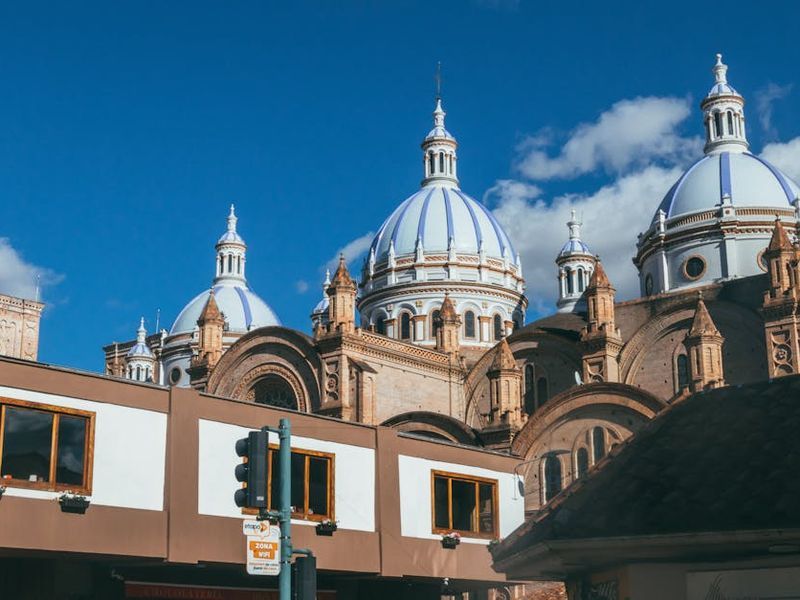
Cuenca is the region’s cultural hub, boasting a beautifully preserved historic center anchored by the imposing Catedral Nueva with its blue domes. Spend time wandering plazas, riverfront promenades, and shaded parks where seniors play chess and local artisans sell ceramics, textiles, and jewelry.
Museums & Markets
Don’t miss the Pumapungo Museum and archaeological park near the center — it offers excellent context on pre-Hispanic cultures and colonial history. For daily life, visit one of the central mercados to sample roasted coffee, fresh fruit, and homemade empanadas; these markets are perfect for practicing Spanish and finding locally made goods.
Day Trips from Cuenca
- Cajas National Park — rugged moorlands, glacial lakes, and excellent highland hiking; bring warm clothing and waterproofs.
- Gualaceo and Chordeleg — artisan towns known for weaving and filigree silverwork; great for handcrafted souvenirs.
- El Cajas eco-lodges and photography spots — sunrise over the hummocky lakes can be spectacular.
Practical Insights for Long-Term Visitors
Cuenca is a favorite for expats and retirees thanks to good private clinics and a competitive cost of living. Pharmacies are widely available, and many doctors speak some English in private practices. If you’ll be staying for months, explore furnished apartment rentals in or just outside the historic core; monthly rents vary widely depending on comfort and location.
Loja: Music, Gardens and Eco-Adventure
Loja is smaller and quieter than Cuenca but punches above its weight culturally. It’s often called Ecuador’s cultural capital thanks to its music conservatories and frequent festivals. The city’s leafy plazas, artisan shops, and relaxed cafes make it an inviting stop for travelers interested in arts and local cuisine.
Natural Highlights
Nearby Podocarpus National Park offers cloud forest hiking with rich biodiversity — birdwatchers will be delighted. For something gentler, explore landscaped parks and small nature reserves close to the city where you can spot hummingbirds and endemic plants.
Festivals & Food
Check local calendars: Loja hosts music and arts events throughout the year. On the food front, try hearty soups, grilled meats, and fresh ceviche in a more temperate setting than the coast. Cafes and bakeries are great places to linger and meet locals.
Vilcabamba: A Valley of Relaxation and Outdoor Play
Vilcabamba attracts people who come to unwind, practice yoga, explore nature trails, and sample locally grown produce. The town’s mild climate, verdant valley scenery, and laid-back vibe earned it a reputation as a wellness destination — you’ll find spas, juice bars, and yoga studios alongside traditional cafés.
Hikes and Waterfalls
Hiking options range from easy riverside strolls to steeper trails that climb to viewpoints — Mandango is a local hilltop viewpoint offering panoramic valley views. Waterfalls and swimming holes are popular on hot afternoons; always ask locals about trail conditions and water safety before heading out.
Longevity Myth and Real Wellness
Vilcabamba is famous in alternative health circles for its so-called “longevity” residents. While sensational claims should be taken skeptically, the area’s clean air, fresh food, and active lifestyle are real contributors to wellbeing. If you’re curious about extended stays, Vilcabamba offers a slow pace and community-minded living that many find restorative.
Suggested 7–12 Day Itineraries
10-Day Southern Highlands Loop (Comfortable Pace)
- Days 1–3: Cuenca — historic center, Pumapungo, day trip to Cajas.
- Days 4–5: Gualaceo & Chordeleg — artisan markets and local crafts.
- Days 6–7: Loja — city walks, music venues, local cuisine.
- Days 8–9: Vilcabamba — relax, yoga, short hikes, waterfalls.
- Day 10: Return to Cuenca or onward travel from Loja’s regional airport.
Fast 5-Day Sampler (Paced for a Short Getaway)
- Day 1–2: Cuenca — centro and museum highlights.
- Day 3: Bus to Loja — afternoon stroll and sunset park visit.
- Day 4: Morning transfer to Vilcabamba — valley walk and spa afternoon.
- Day 5: Return to Loja or Cuenca depending on travel schedules.
Practical Tips: Money, Connectivity, Health & Safety
Money
Ecuador uses the US dollar. ATMs are common in Cuenca and Loja; carry small bills for markets and tips in Vilcabamba. Credit cards are widely accepted in larger restaurants and hotels but bring cash for smaller vendors and taxis.
Connectivity
Local SIM cards from national providers offer reliable data in towns and along main roads. Download offline maps and carry chargers; power is US-style (typically 120V, plugs A/B), so travelers from other regions may need adapters.
Health & Altitude
Most visitors tolerate the region’s altitudes well, but take it easy on the first day in Cuenca if you arrive from sea level. Drink plenty of water, avoid heavy exertion on day one, and be mindful of signs of altitude sickness (headache, nausea, dizziness). Primary care and private clinics in Cuenca and Loja are capable; bring any prescription medications and travel insurance that covers evacuation if you plan remote trekking.
Safety
The southern highlands are generally safe for tourists. Standard precautions against petty theft — avoid displaying valuables, watch your belongings in crowded markets, and use hotel safes — go a long way. At night, stick to well-lit areas in city centers. For hiking, leave your route with someone and consider hiring a local guide for remote trails.
Food, Coffee & Nightlife
Food reflects highland produce: soups, grilled meats, corn and potato dishes, and excellent local coffee. Cuenca has a growing specialty coffee scene with pleasant roasteries and cafés; Loja’s cafes are intimate and music-infused. Vilcabamba leans toward healthy fare — juices, vegetarian options, and cuisines that cater to wellness-minded visitors.
Shopping & Souvenirs
Look for handcrafted textiles, filigree silver from Chordeleg, pottery, and locally woven wool pieces. Markets are the best places for bargains and to see artisans at work. If you buy more expensive silver or jewelry, ask for a certificate of authenticity where available.
Sustainable Travel & Respectful Visiting
Support local businesses: eat at family-run restaurants, buy crafts directly from artisans, and hire local guides for nature excursions. In sensitive ecosystems like Cajas and Podocarpus, stay on marked trails, carry out any trash, and respect wildlife. Learning a few Spanish phrases goes a long way in building goodwill with vendors and hosts.
Final Notes: Packing Essentials and Mindset
Packing light with layers will keep you comfortable across microclimates. Essentials include a waterproof jacket, sturdy hiking shoes, sun protection, a reusable water bottle, and a basic first-aid kit. Bring a small notebook or a phone camera for jotting down artisan contacts and bus times — schedules can change.
The southern highlands reward those who slow down, listen, and explore beyond the guidebook. Whether you’re tracing Cuenca’s colonial streets, hearing Loja’s music in a quiet plaza, or sipping tea in the valley of Vilcabamba, this region offers a blend of culture, nature and tranquility that’s uniquely Ecuadorian.
Enjoy your trip—and leave a little more relaxed than when you arrived.