
Table of Contents
Why visit Ecuador’s southern highlands?
The southern highlands of Ecuador mix colonial architecture, cloud forests and relaxed valley towns in a compact, easy-to-travel region. From the UNESCO-listed streets of Cuenca to Loja’s musical heart and Vilcabamba’s laid-back “valley of longevity,” this stretch of the Andes offers cultural depth, great food and outdoor adventures with comfortable weather year-round.
Quick orientation: elevations, climate and travel times
Understanding altitude and microclimates helps you plan: Cuenca sits around 2,560 meters (8,400 ft), Loja about 2,060 meters (6,760 ft) and Vilcabamba roughly 1,500–1,600 meters (4,900–5,250 ft). That means cooler nights in Cuenca and warmer days down in Vilcabamba. The main rainy season usually runs from December through May, with a drier window from June to September—though showers can happen anytime.
Approximate travel times by road: Cuenca to Loja 3–4 hours, Loja to Vilcabamba 45–75 minutes, and Cuenca to Vilcabamba 3–4 hours depending on route and traffic. Cuenca and Loja both have nearby airports with domestic flights to Quito and Guayaquil, making fast entry possible if you prefer flying.
Top sights in Cuenca: history, markets and mountain escapes
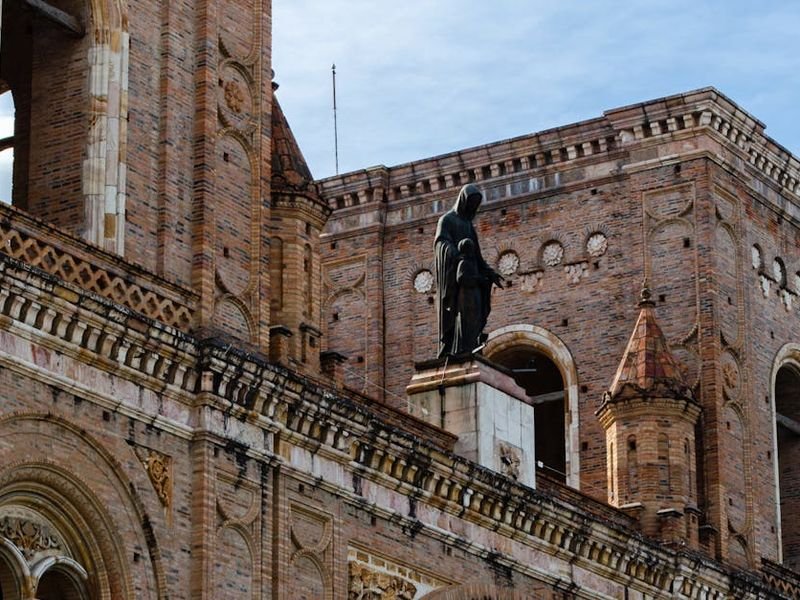
Cuenca is the cultural hub of the south. Start at the Parque Calderón, surrounded by impressive colonial buildings and the blue-domed New Cathedral (Catedral Nueva). Walk along the Tomebamba River to see bridges and riverside plazas that define the historic center—this UNESCO-listed core is compact and extremely walkable.
Don’t miss Museo Pumapungo, which blends archaeological remains with ethnographic displays, or the art galleries that showcase contemporary Ecuadorian work. Foodies should head to Mercado 10 de Agosto for local produce and Calle Larga for cafes and fusion restaurants. For surprising scenery, take an afternoon trip to El Cajas National Park to hike among highland lakes and paramo ecosystems—many tours run half- or full-day trips from Cuenca.
Craft towns: Chordeleg, Gualaceo and Sigsig
Within an hour or two from Cuenca you can visit towns known for traditional crafts: Chordeleg for filigree silver jewelry, Gualaceo for woven goods and daily markets, and Sigsig for its small-town charm and sometimes hot springs. These make excellent half-day trips or a slow, multiday loop if you enjoy shopping for authentic souvenirs.
Loja: Ecuador’s musical city and gateway to Podocarpus
Loja is quieter than Cuenca but rich in music and culture. The city has a strong conservatory tradition and hosts frequent concerts. Plaza de la Independencia and the surrounding municipal theaters give a cultural flavor distinct from the colonial bustle of Cuenca.
Outdoor lovers use Loja as a staging point for Podocarpus National Park, a biodiverse cloud forest and paramo area with waterfalls, peaks and birdwatching (hummingbirds and endemics are highlights). If you’re into hiking and nature photography, schedule at least a full day in Podocarpus with a guide to reach the best trails.
Vilcabamba: relax, hike and explore the longevity valley
Famous among retirees and wellness-seekers, Vilcabamba is a green valley with a mild climate, fruit orchards and a mellow pace. The town has yoga studios, organic cafes and walking trails that lead to viewpoints and waterfalls. Hikes around Mandango and local ridges offer moderate climbs with rewarding views—early morning is the best time for birdwatching and cooler temperatures.
The town also has a number of guesthouses, small hotels and family-run restaurants that keep things low-key. It’s easy to rent a bicycle or hire a guide for half-day treks to nearby natural attractions and farms.
Getting around: buses, flights, and driving tips
Intercity buses are reliable, frequent and comfortable—book reputable carriers at bus terminals or through online platforms where available. For shorter hop trips (Loja to Vilcabamba) share taxis and colectivo vans are common and inexpensive. Domestic flights connect Quito and Guayaquil with Cuenca and Loja; if you’re tight on time, flying is a good option.
If you plan to rent a car, be ready for winding mountain roads and occasional steep grades. Driving between towns gives flexibility for countryside stops, but factor in slower speeds and pay attention to weather-related road conditions in rainy months. Always keep a copy of your documents and use secure parking at lodgings.
Where to stay: neighborhoods and lodging tips in Cuenca
Cuenca offers a range of neighborhoods for different tastes. The Historic Center (El Centro) is ideal for first-time visitors who want to be steps from attractions, restaurants and nightlife. For calmer, more residential vibes with local markets, consider staying near the riverside neighborhoods along the Tomebamba. Long-term visitors and many expats favor quieter areas slightly outside the center where rents are lower and apartments have more space.
Vilcabamba and Loja both have family-run lodgings and small hotels; in Vilcabamba you’ll find numerous eco-lodges and wellness-oriented guesthouses. Book early for holiday periods and major local events, and always ask about included amenities such as Wi-Fi, hot water and breakfast.
Food, markets and local cuisine
Southern highlands cuisine is hearty and farmland-driven. In Cuenca try hornado (roasted pork), mote pillo (hominy with eggs), and local soups like seco or caldo de gallina. Fresh fruit juices and street-side bakeries are excellent—and expect to find amazing empanadas and baked goods in morning markets.
Vilcabamba offers a growing selection of international and organic eateries, while Loja has traditional bakeries and small restaurants serving set lunches (almuerzos) that include soup, main and drink at great prices. Visit local markets for fresh produce, cheeses and handcrafted items—bargaining is acceptable at stalls selling crafts but less common for produce.
Practical tips: money, SIMs, health and safety
Currency: Ecuador uses the US dollar—carry small bills for markets and taxis. ATMs are widely available in Cuenca and Loja; some small towns and markets are cash-only. Credit cards work in many restaurants and hotels but always ask first.
Connectivity: major Ecuadorian carriers like Movistar and Claro provide SIM cards and decent coverage in cities and many rural areas. Purchase a local SIM at an official store and bring ID (passport) to register the line.
Health: basic clinics and private hospitals in Cuenca provide good care and many doctors speak English. Carry medication you need and consider travel insurance that covers medical evacuation if you’ll be trekking remote trails. For altitude, Cuenca’s elevation is moderate—most travelers acclimatize quickly, but take it easy your first day and stay hydrated.
Safety: the southern highlands are generally safe for travelers, but petty theft happens in busy markets and on buses. Use common-sense precautions: don’t flash valuables, keep an eye on bags, use registered taxis or official apps where available, and leave passports and extra cards in hotel safes.
Language and cultural tips
Spanish is the everyday language; learning basic phrases will make a big difference. Rural areas sometimes have speakers of Kichwa and other indigenous languages, so patience and respectful curiosity go far. Greeting with a handshake or a single cheek kiss is common in social situations. Tipping is modest—around 5–10% in restaurants if service is not included.
Suggested itineraries: 4-day and 10-day options
Short trip (4 days): Day 1 — Arrive in Cuenca, explore the historic center and markets; Day 2 — Day trip to El Cajas or Ingapirca; Day 3 — Travel to Loja in the morning, stroll the plazas and attend an evening concert; Day 4 — Morning in Podocarpus or head to Vilcabamba and return for departure.
Extended trip (10 days): Days 1–3 — Deep dive into Cuenca’s museums, craft towns (Chordeleg & Gualaceo) and a full day in El Cajas; Days 4–6 — Transfer to Loja, explore local music venues and Podocarpus; Days 7–9 — Unwind in Vilcabamba with hikes, farm visits and wellness activities; Day 10 — Return to Cuenca or catch a flight to Quito/Guayaquil.
Packing checklist for the highlands
- Layered clothing: fleece, light jacket and waterproof shell
- Sunscreen and sunglasses (sun is strong at altitude)
- Comfortable hiking shoes and quick-dry socks
- Reusable water bottle and small daypack
- Basic first-aid items and any personal medications
- Power adapter (Ecuador uses types A/B, 120V), phone charger and power bank
- Spanish phrasebook or translation app
Final tips for a memorable trip
Allow time to slow down. The charm of Cuenca, Loja and Vilcabamba is as much about lingering in cafes and listening to local music as it is about ticking off sights. Try a local bus for an authentic travel experience, taste street food at a market, and chat with artisans in craft towns—you’ll come home with better stories (and better souvenirs) than any rush itinerary can offer.
Always check local travel advisories and event calendars before you go—regional festivals and school holidays can affect availability and prices. With a bit of planning, Ecuador’s southern highlands deliver a delightful blend of culture, nature and relaxed living that’s perfect for curious travelers and slow explorers alike.