
Table of Contents
Why Cuenca is a smart choice for dental care
Cuenca, Ecuador, has become a popular destination for people seeking high-quality dental work at a fraction of the price they would pay at home. The city mixes modern dental technology with experienced clinicians, an affordable cost of living, and a calm, walkable center where recovery is pleasant. Beyond the clinical advantages, Cuenca’s mild climate, reliable infrastructure, and English-friendly services make it easier for international patients to plan a stress-free trip.
First steps: research and remote consultations
Start early. Successful dental travel begins long before you buy airline tickets. Contact several clinics for remote consultations and ask for a written treatment plan, cost estimate, and timeline. Most reputable clinics will request recent x-rays and photos; if you don’t have updated images, your home dentist can supply them.
Key questions to ask in the initial exchange:
- What are the credentials and specialties of the treating dentist? (Request license numbers—dental professionals in Azuay Province register with local authorities.)
- Does the clinic have digital imaging and CAD/CAM crown milling for same-day work?
- What infection-control protocols and sterilization equipment are used?
- What warranty or follow-up care is included?
Choosing the right clinic: what to look for
Not all clinics are created equal. Look for a clinic that provides clear documentation, transparent pricing, and a written warranty. Check Google and Facebook reviews, but also ask for before-and-after photos and client references—especially from patients who traveled from your country.
Practical red flags to avoid: vague treatment timelines, refusal to provide itemized invoices, insistence on large cash-only up-front payments without receipt, or clinics that can’t provide contact details for after-hours emergencies.
Understanding typical costs and common procedures
Cuenca is attractive because it offers savings on many procedures. Here are approximate ranges (USD) to help you plan—exact prices vary by clinic and materials:
- Routine cleaning and exam: $30–$60
- Composite fillings: $40–$120
- Porcelain or zirconia crowns: $250–$700
- Single dental implant (fixture + abutment): $700–$1,800
- Root canal (molar): $150–$350
Ask whether the clinic uses genuine branded implants and materials. Cheap components can compromise long-term results.
Planning your trip timeline: single visit vs. staged treatment
Work out whether your procedure requires multiple visits. Some clinics offer same-day crowns with in-office milling, while implants often need a staged approach: placement, healing (3–6 months), then restoration. If your treatment needs several months of healing, discuss options such as temporary restorations you can live with at home or extended stays in Cuenca.
Example itineraries:
- Simple restorative visit: 3–7 days (multiple appointments for prep and try-in or same-day crown)
- Implant-only visit: 1–7 days for placement; return after healing for final crown
- Comprehensive makeover: 1–2 trips spaced according to healing times
Travel logistics: flights, airport and getting to town
Cuenca’s Mariscal Lamar Airport has flights from Quito and Guayaquil; international travelers often connect via those cities. You can also take a comfortable bus from Quito or Guayaquil—buses are modern and often used by expats and locals alike.
Arrange ground transport from the airport ahead of time or use a trusted taxi. If you have the clinic coordinate a pickup, it can reduce stress after a procedure. Keep in mind that Cuenca sits at about 2,560 meters (8,400 feet); if you’re not acclimated, plan light activity on your first day to prevent mild altitude symptoms.
Where to stay: neighborhoods and accommodation tips
Choose accommodation close to your clinic to minimize travel after procedures. Popular areas include:
- Centro Histórico (near Parque Calderón) — walkable, lots of restaurants and pharmacies
- El Vergel / Yanuncay corridor — quieter residential areas still close to clinics
- Turi mirador area — offers views and quieter stays, a short drive from downtown
Look for apartment rentals or extended-stay hotels with kitchenettes—handy for soft-food meals during recovery. Confirm that your lodging is accessible by taxi and near pharmacies in case you need medications or supplies quickly.
Money, payments and paperwork
Ecuador uses the US dollar, which simplifies budgeting. Still, ask your clinic about their preferred payment methods—credit cards, bank transfers, or cash. Get a fully itemized invoice in English and Spanish, and insist on written warranties for any prosthetics or implants. Keep all paperwork, x-rays, and digital files to take home; they will be useful for your local dentist for future follow-ups.
Language and communication: bridging the gap
Many clinics in Cuenca have bilingual staff, but it’s prudent to confirm this before arrival. If English isn’t fluent, ask for detailed written consent forms in English. Use translation apps for simple conversations and keep a list of dental terms in Spanish, such as extracciones (extractions), implante (implant), corona (crown), and endodoncia (root canal).
Safety and infection control standards
Ask the clinic about sterilization and cross-infection protocols. Verify that they use autoclaves, single-use disposables where appropriate, and follow standard precautions for instrument sterilization. Clinics that allow you to tour their sterilization area or provide photos of their equipment are often more transparent and trustworthy.
Health considerations: medications, altitude and flying after treatment
Bring a file with your medical history and a list of medications. If you take blood thinners or immunosuppressants, clear the trip with your physician first. After certain procedures—especially extractions or implant placement—air travel should be delayed. A common guideline is to avoid flying for at least 24–72 hours after oral surgery; more complex cases require longer waits. Confirm an exact timeline with your treating dentist.
Because Cuenca is high-elevation, drink plenty of fluids, avoid excessive alcohol, and take it easy for the first 24–48 hours. Avoid intense physical exertion that could elevate blood pressure and increase swelling or bleeding.
Recovery tips and local food ideas
Plan a soft-food menu for the first days: soups, mashed potatoes, avocados, bananas, yogurt, smoothies, and soft rice dishes. Local foods that are easy to eat include aguacate (avocado), pureed soups, and rice-based meals. Avoid spicy or hard-crunchy foods that can irritate surgical sites.
Follow your dentist’s instructions on oral hygiene: gentle saline rinses, prescribed antimicrobial mouthwashes, and avoiding spitting forcefully during the initial days. If you’re a smoker, consider quitting or pausing—smoking impairs healing dramatically.
Aftercare, emergencies and local medical resources
Obtain an emergency contact number from your clinic and ask who covers urgent care after-hours. Cuenca has several reputable hospitals and dental specialists if you need further care; verify the nearest emergency room in case of unexpected bleeding, severe pain with fever, or allergic reactions.
Keep a list of nearby pharmacies (farmacias) and know where to get common medications. If your clinic dispenses prescriptions, ask for exact drug names and dosages in writing so you can refill locally if needed.
Legal and warranty matters
Request a written warranty that defines what is covered, for how long, and whether the guarantee applies internationally or only within Ecuador. Understand cancellation and refund policies before you arrive. For larger procedures, consider signing a formal treatment contract that lists steps, materials, and timelines.
Combining tourism with recovery: smart sightseeing
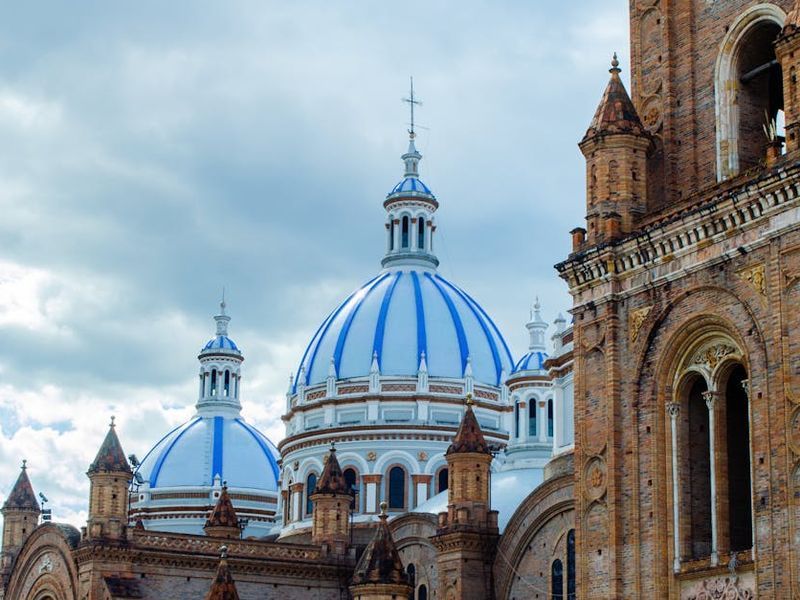
Cuenca is ideal for gentle sightseeing: stroll Parque Calderón, visit the New Cathedral, and take short trips to Mirador Turi for panoramic views. Save more strenuous excursions—like hiking in El Cajas National Park or long bus rides—for after you’re cleared by your dentist. If you feel up to it, short, low-impact walks help circulation and mood, but avoid jarring activities in the first week after oral surgery.
Checklist: what to bring with you
- Copies of recent dental x-rays and a summary from your home dentist
- Passport, printed treatment estimate, and clinic contact info
- Prescription list and any necessary medications
- Comfort items for recovery: sunglasses, travel pillow, soft foods
- Credit card and some cash (USD) for incidental expenses
- Written aftercare instructions and a clear plan for follow-up
Final tips: how to reduce risk and get the best outcome
Be an informed patient. Take time to compare several clinics, ask lots of questions, and don’t let cost alone drive your decision. A trustworthy clinic will be transparent about materials, timelines, and potential complications—and will provide a clear plan for aftercare and follow-up. Keep your home dentist in the loop so they can support long-term maintenance once you return home.
Dental travel to Cuenca can be a fantastic value when planned well: you’ll save money, enjoy a pleasant city during recovery, and return home with your smile improved. With clear communication, realistic expectations, and a thoughtful timeline, your dental vacation in Cuenca can be safe, comfortable, and successful.
Quick Resources
Before you go, request written estimates, confirm licenses, and compile an emergency contact list. With a solid plan and the right clinic, Cuenca offers quality dental care in a charming, relaxed setting.