
Table of Contents
Why choosing your Quito–Cuenca transport matters
Quito and Cuenca are two of Ecuador’s most captivating cities, each perched high in the Andes with very different vibes. How you travel between them affects your budget, how much of the landscape you see, and how rested you arrive. Choosing between a short flight, an overnight bus, or a self-drive road trip comes down to priorities: speed, scenery, comfort, or adventure.
Overview: distance, time and general costs
The driving distance between Quito and Cuenca is roughly 450–500 kilometers (about 280–310 miles), depending on the exact route. Travel times typically break down like this:
- By plane: About 45–60 minutes in the air; with airport procedures plan on 2–3 hours total door-to-door.
- By bus: Usually 8–10 hours on a direct interprovincial bus, sometimes longer if the bus makes many stops or encounters mountain traffic.
- By car: Expect 7–10 hours of driving depending on stops, traffic, and road conditions.
Estimated prices (subject to change): flights commonly range from about $50–$150 one-way; bus fares typically span $12–$30 for standard to luxury services; driving costs depend on fuel consumption and tolls but are often cheaper for groups sharing a car.
Flying: fastest, easiest — but check the small-print
Flying is the quickest way to get between Quito and Cuenca. Flights depart from Quito’s Mariscal Sucre International Airport (UIO) and land at Cuenca’s Mariscal Lamar Airport (CUE). The in-air time is short — usually under an hour — making it ideal for travelers short on time.
Airlines and booking tips
Domestic carriers operating this route vary by season and demand; major Ecuadorian airlines frequently offering Quito–Cuenca flights include Avianca and LATAM (and occasionally regional carriers). Booking early rewards you with lower fares and better seat selection. Watch for baggage rules: some low fares only include carry-on.
Airport logistics in Cuenca and Quito
Arrive at Quito’s airport at least 90 minutes before departure, longer if you have checked luggage or during peak travel times. In Cuenca, the airport is small and close to the city (around 20–30 minutes by taxi). Private transfer services, airport taxis and ride app drivers are available — expect the taxi fare to downtown Cuenca to be in the $6–$12 range depending on luggage and exact location.
Pros and cons of flying
- Pros: fastest, least physically demanding, good option for business travelers or those with limited days.
- Cons: less scenic, more expensive for solo travelers; airport check-in and security add time; buses and cars give you more flexibility to explore small towns en route.
Bus travel: economical, comfortable, and surprisingly scenic
Long-distance buses in Ecuador are a reliable and economical way to travel. Interprovincial buses from Quito to Cuenca run frequently and include options from simple economy coaches to more comfortable ‘executive’ or ‘luxury’ services with reclining seats, onboard restrooms and sometimes Wi-Fi.
Where buses depart and arrive
In Quito, most southbound interprovincial buses leave from the Quitumbe Terminal on the south side of the city. In Cuenca, buses arrive at the Terminal Terrestre de Cuenca; from there, city buses or taxis will get you to El Centro, the historic district where most hotels are found.
Choosing the right bus
When selecting a bus, consider these points:
- Pick a reputable company with modern coaches if comfort and safety are priorities.
- Overnight buses can save a night of lodging but may be less restful due to road noise and winding mountain roads.
- Reserve seats in advance on busy travel dates (holidays, long weekends).
Onboard tips and safety
Keep valuables close and consider a money belt for passports, cards and cash. Bring a small travel pillow and a light blanket — buses can be chilly. Keep snacks and water handy; while some buses offer snacks, quality varies. If you suffer from motion sickness, pick a daytime bus and request a seat near the front.
Driving: the most flexible — and scenic — option
Driving between Quito and Cuenca puts you in control: stop when you want, detour to small villages, and explore the highland scenery at your own pace. The Pan-American (E35) is the main artery connecting the two cities, threading through mountain towns and volcanic scenery.
Recommended route and highlights
The usual driving route heads south from Quito through Latacunga and Ambato toward Riobamba, then continues past the famous Alausí and down the mountain passes into the southern highlands toward Cuenca. Highlights you can add to your itinerary include:
- Chimborazo viewpoints near Riobamba — on clear days, the world’s closest point to the sun feels within reach.
- Alausí — a charming town and the gateway to the famous Nariz del Diablo (Devil’s Nose) train and scenic train excursions.
- Cajas National Park — a short drive from Cuenca, offering hikes around glacial lakes and páramo landscapes.
Practical driving tips
- Make sure brakes and tires are in good condition — mountain roads mean frequent braking and steep descents.
- Fuel up in larger towns; some rural stretches have fewer stations.
- Carry a physical map or offline GPS — mobile service can be patchy in the mountains.
- Drive defensively: expect slow trucks, narrow bridges, and occasional roadworks or animal crossings.
- Plan for daylight driving; many travelers avoid mountain roads after dark due to visibility and local driving habits.
Renting a car and costs
Car rental desks operate at Quito’s airport and across the city. Choose compact cars for easier handling on narrow mountain roads. Expect to pay more for automatic vehicles. Check insurance coverage carefully; verify that the policy covers mountain travel and off-hour assistance. Fuel is usually less expensive than in many countries, but long highland climbs increase consumption.
Which option is best for your trip?
Consider these quick guidelines to match your priorities to a transport mode:
- Short on time: fly — minimum travel time and minimal fatigue.
- Budget traveler: bus — affordable, safe, and comfortable if you pick a good company.
- Scenic explorer: drive — stop for photo ops, markets, and local food along the way.
- Group or family: driving can be the most economical and flexible if you share costs.
What to pack and prepare for the trip
No matter which method you choose, a little preparation makes the trip smoother:
- Warm layers — both Quito and Cuenca are highland cities where mornings and nights are cool, and weather can change fast.
- Snacks, water, and medications — especially if you choose a bus or car and plan long stretches between stops.
- Copies of your ID and travel documents — and a small daypack with essentials if you check luggage on a flight.
- Cash in small bills for bus vendors, market purchases, and taxis; many smaller vendors don’t accept cards.
Local logistics on arrival in Cuenca
Cuenca is compact and walkable, with its historic center (a UNESCO World Heritage Site) easy to explore on foot. If you arrive by bus at the Terminal Terrestre, local buses and taxis take you to the center for a few dollars. From the airport, factor taxi time and a small fare. If you drive, Cuenca has both modern highways leading into the city and narrow colonial streets in the centro historico — choose parking near your hotel as central streets can be tight.
Extra tips and common traveler questions
Is it safe to travel at night?
Many buses and some drivers travel at night. While night travel is common, it can be less comfortable and you’ll miss daylight scenery. If you’ll be driving, avoid mountain roads in the dark unless necessary.
Can I stop at attractions en route?
Yes. If you have your own car, plan stops at towns like Ambato or Riobamba, or side trips to El Chorro for a waterfall or the Alausí train experience. On bus trips, you’ll see local towns through the window and some buses will stop for short breaks at roadside markets.
What about luggage when taking the bus?
Buses usually load luggage into an undercarriage compartment and provide a claim tag. Keep valuables and travel documents with you onboard. For peace of mind, place items like passports, boarding passes, electronics and a change of clothes in a small carry-on.
Final thoughts: pair your travel mode with your travel style
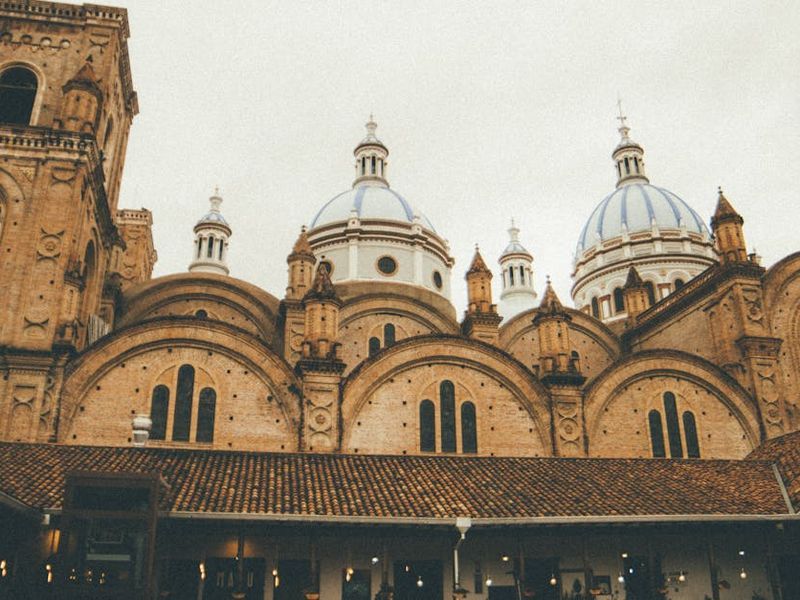
There is no single right answer for traveling from Quito to Cuenca — the best choice reflects how you like to travel. Want to conserve time and energy? Fly. Want to stretch your travel budget while seeing the landscape? The bus. Want to control your pace and discover hidden corners of the Andes? Drive. Whichever way you choose, the journey offers glimpses of Ecuador’s highland heart: volcanoes, Andean markets, and friendly highland towns. Plan ahead, pack layers, and enjoy the ride — Cuenca’s red-tiled roofs and elegant plazas are a worthy destination.
Quick checklist before you go
- Check current flight and bus schedules — seasonal changes and holidays affect frequency.
- Book in advance on busy dates, especially for flights and luxury buses.
- Verify baggage policies if flying; keep valuables in carry-on.
- If driving, inspect the vehicle, carry spare tire tools, and download offline maps.
- Bring layers and motion-sickness remedies if needed.
Safe travels and enjoy the cultural riches and cooler climes of Cuenca — one of Ecuador’s most beloved cities.