
Table of Contents
Why Cuenca Belongs on Every Foodie’s Map
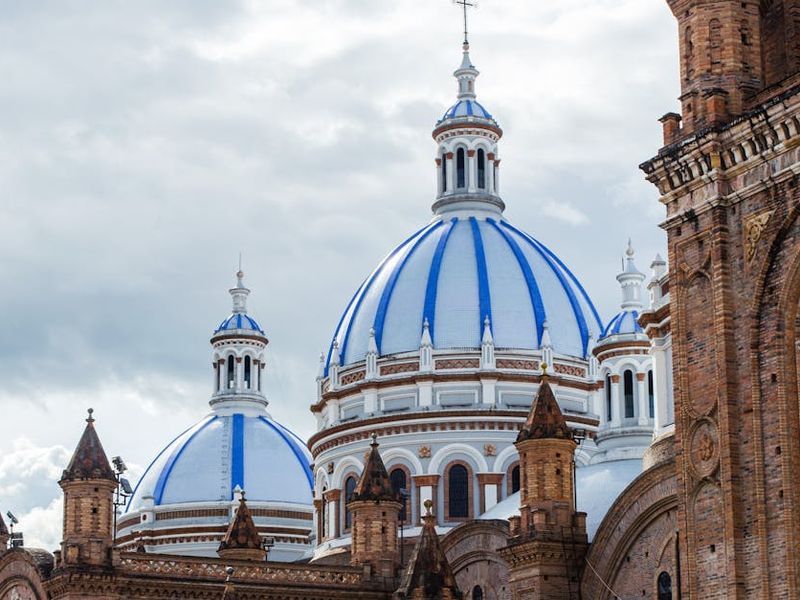
Cuenca may be best known for its colonial architecture and blue-domed cathedral, but beneath the cobblestones is a rich culinary story. The city blendsAndean ingredients, coastal seafood, Indigenous techniques and modern chef-driven creativity. For food lovers, that means everything from humble street snacks to refined tasting menus, and a strong tradition of market-fresh cooking you can taste in every bowl.
How to Use This Guide
This guide is organized by experience rather than a strict ranked list: morning markets and bakeries, lunch options and neighborhood clusters, fine dining & fusion, and where to sample the most authentic local dishes. You’ll also find practical tips for budgets, hours, reservations, tipping, and food-safety—plus a sample day of eating in Cuenca.
Start Your Day: Breakfast, Coffee Shops, and Bakeries
Cuenca’s mornings are for fresh bread, rich coffee and savory snacks. Look for small bakeries with cases of pan de yuca (cheesy cassava rolls), bizcochos (buttery biscuits), and flaky empanadas. Coffee culture is strong: local beans from the southern provinces pair beautifully with modern espresso drinks or a bold pour-over.
- What to order: pan de yuca, sweet corn cakes, strong espresso or a latte made with Ecuadorian milk.
- Where to go: neighborhood cafés in the historic center, Calle Larga and the San Sebastián area are great for people-watching and a leisurely start.
- Tip: many bakeries open by 7:00–8:00 a.m.; sit-down cafés will often offer free Wi‑Fi and a relaxed vibe for morning planning.
Markets and Street Food: Big Flavors, Small Prices
No foodie trip to Cuenca is complete without a market visit. Central markets brim with fresh legumes, tubers, Andean cheeses and fish delivered from nearby streams. Look for vendors serving up llapingachos (potato pancakes), humitas (steamed corn tamales), and empanadas de viento (airy cheese empanadas) — ideal snacks while you wander.
- Signature street dishes: locro de papa (creamy potato-and-cheese soup), mote pillo (scrambled hominy with eggs), and freshly-made ceviche from fish stalls.
- Hygiene tip: choose stalls with a steady flow of customers and watch how food is handled. If it’s piping hot, freshly made, and busy, you’re usually safe.
Lunch: The Menu del Día and Neighborhood Picks
For an affordable and authentic experience, try the menú del día (menu of the day) offered by many neighborhood restaurants. Typically it includes a soup or starter, a main course (often meat, fish or a vegetarian option), a drink and sometimes dessert—perfect for sampling Ecuadorian home-style cooking without breaking the bank.
- Price range: expect $2.50–$6 for a menú del día at local spots; mid-range restaurants may charge $8–$15 for lunch.
- Best neighborhoods: Calle Larga is lively with contemporary bistros and tapas spots; the older San Sebastián and El Centro districts have atmospheric, family-run places serving classic dishes.
Dining at Night: Fine Dining, Fusion, and Atmosphere
Cuenca’s culinary scene has matured: chefs are reimagining local ingredients in tasting menus and contemporary plates. Many restaurants offer intimate indoor dining and rooftop terraces where you can see the cathedral’s blue domes lit up at night. If you’re looking for a special evening, scout for places described as “cocina de autor” (chef’s cuisine) or that advertise tasting menus—reservations are recommended Friday and Saturday nights.
- Price expectations: dinner at a high-end place often runs $20–$50 per person depending on courses and wine.
- Ambiance: some of the most memorable meals come from small, chef-owned restaurants where the owner greets guests and explains the menu.
Must-Try Local Dishes and What Makes Them Special
Understanding a handful of local dishes will help you navigate menus and markets with confidence. Here are the flavors you should seek out:
- Llapingachos: Pan-fried potato cakes often served with chorizo, peanut sauce, a fried egg and salads.
- Locro de papa: A silky, cheesy potato soup that’s comfort food in the highlands.
- Trucha: Fresh trout (locally farmed and very popular) served fried, grilled or stuffed.
- Cuy: Roasted guinea pig — a traditional Andean specialty. Try it at a reputable traditional restaurant if you’re adventurous.
- Helado de paila: Artisan ice cream made in a cold metal pan with fruit and sugar — refreshing and uniquely Andean.
- Ceviche: Ecuadorian ceviche is often made from shrimp or fish and tends to be citrusy and slightly sweet.
Vegetarian & Vegan Options
While traditional cuisine is meat-forward, Cuenca has a growing selection of vegetarian and vegan restaurants and menu options. Many places will happily adapt dishes—ask for no meat or for extra beans, avocado and salads. Look for modern cafés and health-focused restaurants around Calle Larga and in neighborhoods popular with expatriates.
Where to Find the Best Views and Ambiance
Some of Cuenca’s best meals come with a view. Restaurants and rooftop bars along the Tomebamba river and those with terraces facing the city center provide an unmistakable Cuenca backdrop. For a romantic evening, request a table with a cathedral vista; for a lively night, try restaurants that open onto Calle Larga or small plazas where locals gather.
Budget Dining vs. Splurges: How to Plan Your Meals
Cuenca is friendly to both budget travelers and those seeking luxury dining. A sensible split might be:
- Breakfast and snacks from bakeries and markets: $1–$4 each.
- Lunch with menú del día at a local place: $2.50–$6.
- Casual dinner with a drink: $8–$15.
- Special evening / chef’s tasting: $30–$60+ per person.
Don’t forget to allocate a little cash for street treats like freshly fried empanadas or a cup of aguapanela. Ecuador uses the US dollar, so budgeting is straightforward.
Practical Tips: Reservations, Tipping, and Payments
- Reservations: make them for weekend dinners or special restaurants—many places are small and fill up fast.
- Tipping: 10% is common in restaurants; check the bill, as some places include service.
- Payments: cash is useful for markets and small cafés; most mid- to high-end restaurants accept cards but always have smaller bills for taxis and tips.
- Hours: lunch is typically served 12:00–15:00; dinner from 19:00–22:00. Some bakeries and cafés open earlier.
- Water: bottled water is widely available; if you prefer to drink tap water, many residents use filtered systems—ask if unsure.
How to Find the Best Places: Local Methods that Work
Beyond guidebooks, use these strategies to find great meals:
- Follow local hashtags and Instagram: search tags like #CuencaEats or #ComidaCuenca to see recent dishes and openings.
- Ask locals and expat groups: small businesses and family-run restaurants often fly under the radar but come highly recommended by neighbors.
- Walk and sample: the historic center and Calle Larga are compact—strolling is an excellent way to spot inviting patios and busy kitchens.
- Take a food tour: a half-day food tour can introduce you to markets, lesser-known vendors and culinary context you’d miss on your own.
Sample Foodie Day in Cuenca
Use this one-day itinerary to experience the city’s culinary range:
- Breakfast: Start with pan de yuca and a local espresso at a neighborhood bakery.
- Morning market visit: Taste llapingachos and discover local produce like melloco, native potatoes and Andean cheeses.
- Lunch: Menú del día at a family-run restaurant—try locro de papa as a starter and trout as a main.
- Afternoon: Coffee and helado de paila while walking along the Tomebamba river.
- Dinner: Book a tasting menu or a modern bistro near Calle Larga; end with a rooftop pisco sour or craft cocktail.
Food Festivals, Classes, and Culinary Culture
Cuenca hosts periodic food-related events, and several chefs and culinary schools offer hands-on cooking classes. If your visit coincides with a local festival, you’ll likely find temporary food stalls selling specialties you won’t see elsewhere. Enrolling in a cooking class is a great way to learn to make dishes like llapingachos, tortillas de maíz, or Andean-style soups using local methods and ingredients.
Safety, Allergies and Cultural Notes
When ordering, use clear phrases for allergies and preferences. Phrases like “sin chile” (no spicy peppers), “sin cebolla” (no onion), or “soy vegetariano/a” (I’m vegetarian) are useful. Ecuadorians are generally friendly and willing to accommodate reasonable requests. If you have severe allergies, it helps to carry a translation card explaining the allergy in Spanish.
Final Thoughts: Savoring Cuenca Beyond the Plate
Eating in Cuenca is as much about atmosphere as it is about flavor—shared plazas, riverfront terraces, and cheerful markets all play into the experience. Whether you’re savoring a steaming bowl of locro on a cool morning or discovering a tiny chef-driven restaurant on a side street, give yourself time. Ask locals for their recommendations, try things you can’t get at home, and enjoy the slow rhythms of mealtimes in this historic city.
Armed with these tips and a hungry curiosity, you’ll leave Cuenca with both a satisfied palate and a deeper appreciation for Ecuador’s highland culinary traditions.