
Table of Contents
Why Cuenca Belongs on Every Food Lover’s Map
Nestled in the southern Andes, Cuenca is more than a picture-perfect colonial city — it’s an honest, vibrant food town where highland flavors meet coastal influences and modern chefs are reimagining Ecuadorian classics. From steaming bowls of locro to crisp helado de paila, the culinary scene reflects the city’s markets, climate, and long-standing traditions. This guide will help you navigate the best places to eat in Cuenca, what dishes to try, and practical tips to make the most of your culinary adventures.
Understanding Cuenca’s Food Personality
Cuenca sits at about 2,560 meters (8,400 feet), and the altitude influences not only the scenery but also eating rhythms. Lunch is typically the largest meal of the day — look for “almuerzo” or a set menu during midday that offers excellent value. The city blends Andean staples (potatoes, mote, cheese) with seafood from the coast, fresh fruits from lower elevations, and an emerging café and craft beer culture. Because Ecuador uses the U.S. dollar, it’s straightforward to understand prices whether you’re on a shoestring or splurging.
Classic Dishes to Seek Out
Before we explore places, it helps to know the dishes you should be ordering.
- Hornado: Slow-roasted pork with crispy skin, typically served with mote, plantains, and salad.
- Fritada: Fried pork seasoned with garlic and spices, often accompanied by llapingachos (cheesy potato patties).
- Locro de papas: A comforting potato and cheese soup — perfect for cooler evenings.
- Mote pillo: Hominy sautéed with eggs and onions; a staple side or breakfast item.
- Cuy: Roasted guinea pig — a traditional Andean specialty available at select restaurants.
- Ceviche and encebollado: Coastal favorites that appear in many Cuenca menus thanks to the country’s short distance to the sea.
- Helado de paila: Hand-churned ice cream made in a shallow metal pan — look for local fruit flavors like mora (blackberry) or naranjilla (little lime/green tomato-like fruit).
Where to Eat: Neighborhoods and What They Offer
Cuenca’s historic center is concentrated and walkable, with most must-eat spots clustered around Parque Calderón and the pedestrian Calle Larga. Venture a few blocks in any direction and you’ll hit neighborhoods where local life and flavors truly come alive.
El Centro Histórico
This is the heart of the city and the easiest place to sample a range of options — from traditional lunch counters and bakeries to contemporary restaurants that blend Ecuadorian ingredients with international techniques. Calle Larga is a great stretch for street-side cafés and evening dining.
Riverside and San Sebastián
The Tomebamba River runs through Cuenca, and the neighborhoods along its banks offer relaxed cafés, artisanal bakeries, and riverside dining with views. San Sebastián and adjoining blocks are popular with expats and artists, so you’ll find vegetarian-friendly restaurants and small plates geared toward a cosmopolitan palate.
Local Markets
Municipal markets are where the city’s food culture is most authentic. Visit early for breakfast stalls serving hot soups, fresh fruit juices, and local pastries. Markets are perfect for sampling inexpensive, robust Ecuadorian meals and interacting with vendors selling produce you’ll see on restaurant menus.
Standouts for Traditional Cuencano Food
When you want an authentic, homey meal, seek out small family-run restaurants (often called “comedores” or “menús”) that serve fixed-price lunch menus. These spots are beloved for quality, portion sizes, and wallet-friendly prices.
- Almuerzo spots: Look for signs advertising “menú del día” or “almuerzo” — typically a three-course meal (soup, main, drink) for a fixed price. These are perfect for lunch and cost-effectively introduce you to local favorites.
- Bakeries and breakfast: Don’t miss freshly baked bread, cheese-filled empanadas, and local pastries served with strong Ecuadorian coffee. Bakeries near parks and markets fill quickly in the morning.
- Specialty meat dishes: If you want hornado or fritada, ask locals where they go for weekend family-style meals — those places often have the best, crispiest results.
Modern and Fusion Restaurants
Cuenca’s contemporary chefs are reinterpreting traditional ingredients: think mote used in risotto-style dishes, local cheeses turned into fine-course components, and indigenous tubers highlighted in tasting menus. These restaurants typically have seasonal menus and use produce from nearby valleys and mountain farmers.
Expect tasting menus at higher-end spots — these are often reservation-only and a good choice for a celebratory night out. Wine and cocktail lists frequently include Ecuadorian fruit-based drinks and a selection of South American wines.
Seafood: Where Coast Meets Highlands
Though Cuenca is inland, the city enjoys excellent seafood thanks to fast transport from coastal provinces. Ceviches here are fresh and often served with popcorn or corn nuts for crunch. Encebollado, a hearty fish soup flavored with yuca and red onion, is a popular option for an energizing morning or late lunch.
Cafés, Coffee Culture, and Bakeries
Cuenca has embraced specialty coffee. Look for cafés that roast their beans locally and offer pour-over or espresso-based drinks brewed with beans from Ecuador’s fertile regions. Many cafés double as bakeries and provide a calm place to plan your day or enjoy an afternoon pastry.
If you’re a coffee geek, ask baristas about single-origin Ecuadorian beans and the elevation at which they’re grown — micro-lots and seasonal offerings turn every cup into an educational experience.
Sweet Spots: Desserts and Street Treats
For dessert lovers, Cuenca delivers. Find traditional sweets like tres leches cake, flan, and local takes on churros at bakeries. Don’t miss helado de paila, often made by hand at street stalls or small shops — flavors vary with season and local fruits.
Street vendors sell fast, delicious bites: try cheesy empanadas, choclo con queso (corn with fresh cheese), and simple grilled plantain snacks. These are perfect for quick refuels while exploring the city.
Vegetarian and Vegan-Friendly Options
While meat and pork-based dishes are central to the highland culinary tradition, Cuenca’s modern scene includes plenty of vegetarian and vegan restaurants as well as menu adaptability. Many places will replace meat with grilled vegetables, local cheeses, or legumes. Fresh fruit juices and salads are abundant, and you’ll find international vegetarian comfort dishes like quinoa bowls and veggie burgers crafted with Ecuadorian produce.
Budget Guide: How Much Will You Spend?
Because Ecuador uses the U.S. dollar, budgeting is simple. Expect market meals and street food to cost $2–$6; midrange restaurants and cafes typically run $8–$18; and higher-end tasting menus or specialty restaurants can reach $30–$60 per person depending on courses and drinks. Tipping of around 10% is common when service is good, and many bills include a service charge — check before adding more.
Practical Tips for Dining Like a Local
- Dining hours: Lunch is the main meal and is usually served from 12:00–3:00 p.m. Dinner service ramps up after 7:00 p.m.
- Payment: Cash is accepted nearly everywhere, but cards are increasingly common in mid-to-high-end restaurants.
- Reservations: For popular contemporary restaurants and weekend evenings, book ahead — many spots fill up fast.
- Language: A few Spanish phrases will go far: “La cuenta, por favor” (The bill, please), “¿Qué recomienda?” (What do you recommend?), and “Sin picante, por favor” (No spice, please).
- Food safety: Eat street food from vendors with a steady stream of customers and hot-prepared dishes. Drink bottled or filtered water if you’re cautious, though tap water in Cuenca is generally considered safer than in many other Ecuadorian cities.
- Altitude: The city’s elevation can affect appetite and digestion — start with small portions if you’re newly arrived and stay hydrated.
Experiences Beyond Sit-Down Meals
To truly understand Cuenca’s food culture, consider hands-on experiences:
- Market tours: Guided walks through a municipal market help you learn about local produce, spices, and staples like mote and Andean tubers.
- Cooking classes: Take a class that focuses on traditional recipes such as llapingachos, locro, or helado de paila — a fun way to bring home skills and recipes.
- Food tours: Join a walking food tour to sample many small dishes with a local guide who can explain context and history.
Nightlife, Bars, and Local Drinks
Cuenca’s evenings mix relaxed wine bars, craft beer pubs, and cocktail lounges using local fruits like passionfruit, blackberry, and naranjilla. Try a fresh fruit jugo (juice) for a non-alcoholic treat, or sip a cocktail that highlights Ecuador’s tropical flavors. Craft breweries are growing in popularity, offering approachable beers that pair well with local cuisine.
Seasonal Considerations
Cuenca’s climate is springlike year-round, but produce availability shifts with the seasons. Look for different fruits in the market depending on the month — berries and tropical fruits will change, which alters ice cream and dessert offerings. Chefs rotate menus with what’s fresh, so repeat visits can bring new discoveries.
Putting It All Together: A Suggested Three-Day Food Itinerary
Day 1: Explore the historic center. Start with a coffee and pastry on Calle Larga, have a hearty almuerzo featuring locro or mote pillo, and finish with helado de paila near the river.
Day 2: Market morning — sample breakfast soups and fresh juices, take a short cooking class or market tour, enjoy a seafood lunch, and reserve an elegant tasting menu for dinner.
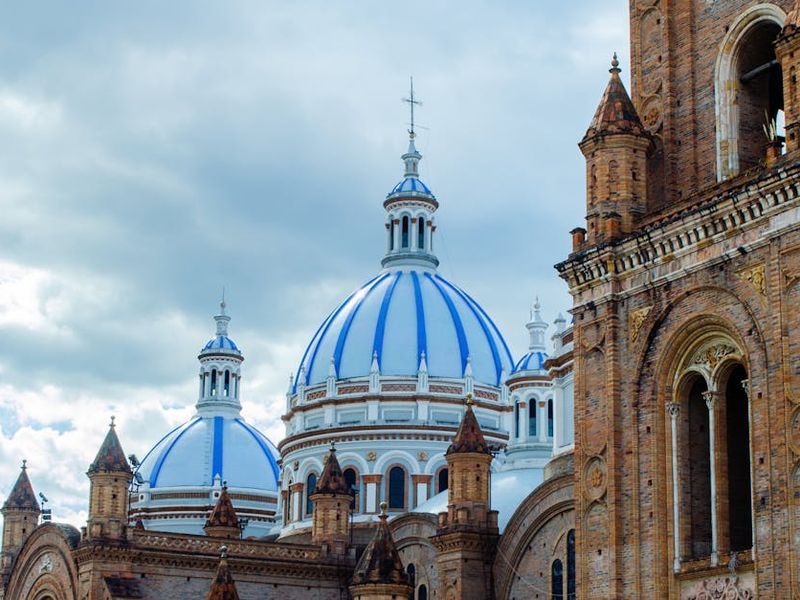
Day 3: Venture to riverside neighborhoods for brunch, spend the afternoon at an artisan bakery or café, and end with a craft beer or fruit cocktail while watching the lights bounce off the cathedral domes.
Final Thoughts: Eat Curiously and Respectfully
Cuenca rewards curiosity. Try dishes you don’t recognize, ask vendors and servers for their favorite plates, and be open to textures and flavors that may be new. Respect traditions — many recipes are family heirlooms — and support smaller establishments when you can: the local economy and culinary heritage thrive on those cherished spots. Whether you’re hunting for a perfect bowl of locro, an innovative tasting menu, or the simplest empanada from a market stall, Cuenca has flavors that linger long after you leave.
Ready your appetite, bring a sense of adventure, and start exploring — Cuenca’s food scene is a delicious invitation to slow down and savor Ecuadorian life.