
Table of Contents
Why Cuenca makes a great place for a dental retreat
Cuenca is an attractive option for people looking to pair dental care with a calm, restorative break. The city’s manageable size, pleasant year-round climate at about 2,560 meters (8,400 ft) elevation, and a growing reputation for skilled dental professionals make it easy to get quality work done and then decompress. Add a compact historic center (a UNESCO World Heritage site), nearby nature like Cajas National Park, and a slower pace of life, and you have the ingredients for a true dental vacation: productive appointments plus time to unplug.
Choose the right neighborhood to rest and recover
Where you stay will shape your downtime. Consider these neighborhoods by focus:
- El Centro (historic downtown) — Steps from Parque Calderón and the blue-domed cathedral. Ideal if you want short walks to cafes, artisan shops, and your dental clinic. It’s lively during the day but quieter in the evening for rest.
- San Sebastián — A charming, cobbled area with boutique hotels and quieter streets. Great if you want the historic feel but a calmer atmosphere.
- Yanuncay or Bellavista — Residential neighborhoods near the river or on the hills. These areas offer more tranquil views and larger long-stay apartments suitable for recovery.
- Turi — Near the scenic viewpoint; a bit elevated and peaceful. Good for a few nights when you want fresh air and views after a procedure.
Picking a clinic: credentials, equipment, and communication
Not all dental tourism is the same. When planning a restorative or cosmetic procedure abroad, vet clinics thoroughly. Key items to check:
- Licensing and certifications — Ask for the dentist’s Ecuadorian license number and any international certifications. Many top clinics will proudly provide these.
- Digital diagnostics — Confirm whether the clinic uses digital X-rays, intraoral scanners, and ideally CBCT imaging for implants. Modern imaging reduces treatment surprises.
- Sterilization protocols — Ask about autoclaves, instrument handling, and infection-control procedures. Clinics accustomed to international patients usually have transparent protocols.
- Before-and-after portfolios and references — Request case photos similar to your needs and, if possible, contactable patient references or reviews on independent platforms.
- Language and follow-up care — Ensure clear English communication and ask about remote follow-ups. Many dentists offer follow-up via video calls and collaborations with local providers back home.
Timing your trip: appointment scheduling and realistic timelines
Some treatments are single-visit while others require staged care. Plan realistically:
- Simple work (cleanings, fillings): Often done in one or two visits. A long weekend may suffice.
- Crowns and veneers (if fabricated locally): Typically require 2–3 visits over 1–2 weeks to allow for impressions, provisional restorations, and final fittings.
- Implants and bone grafts: These can require multiple phases over months. For convenience, many patients have implant placement in Cuenca and later return for final restorations, or work with clinics that partner with labs for quicker turnarounds.
Pro tip: Schedule your major procedure early in the trip so you have buffer days for recovery before flying home. For implant placement or extractions, plan at least 3–7 days in Cuenca for immediate healing; for more complex surgeries, discuss extended stays with your dentist.
How to prepare physically and mentally before travel
Traveling to Cuenca involves a mild altitude change and some preparation:
- Medical clearance — If you have heart conditions, diabetes, or other significant medical issues, consult your physician before scheduling dental surgery abroad.
- Medication planning — Bring a supply of any regular meds plus copies of prescriptions. Confirm with the clinic which antibiotics, painkillers, or sedatives they will provide post-op.
- Altitude adjustment — Cuenca’s elevation can cause light breathlessness or fatigue for the first 24–48 hours. Take it easy on arrival day: hydrate, avoid heavy exertion, and sleep well.
- Travel insurance — Choose a plan covering medical emergencies and potential complications related to dental procedures. Some policies exclude elective dental care, so read carefully.
Comfort-focused recovery: accommodations and simple creature comforts
After treatment, restful surroundings make a huge difference. Consider:
- Rental apartments or aparthotels — Kitchens let you prepare soft foods, and laundry facilities are handy for longer stays.
- Hotel amenities — Look for quiet rooms, blackout curtains, and good wi-fi for telehealth check-ins with your dentist.
- Comfort kit — Pack a small recovery bag: extra pillows, a cold pack (reusable gel packs), lip balm (altitude dries skin), gentle mouthwash recommended by your dentist, and comfortable clothing.
Food that heals: soft Ecuadorian options and grocery tips
Eating well after dental procedures helps recovery. Ecuador uses the U.S. dollar, and Cuenca has plentiful markets and supermarkets:
- Soft local dishes — Locate restaurants where you can order locro de papa (creamy potato soup), pureed vegetable soups, avocado slices, and well-cooked plantains. Request softer preparations if needed.
- Grocery staples — Buy yogurt, bananas, eggs (soft scrambled), instant oats, ripe papaya and mango for smoothies, and soft cheeses. Supermarkets and daily markets in Cuenca make it easy to stock a recovery-friendly pantry.
- Avoid crunchy or very hot foods right after procedures. Ask your dentist for a personalized diet timeline.
Unplugging: gentle activities while you heal
A dental retreat isn’t just about treatment—it’s a chance to rest your mind. Here are calming activities that won’t strain your recovery:
- Slow walks around Parque Calderón — Flat, scenic, and close to cafes. Perfect for fresh air without heavy exertion.
- Museums and quiet historic sites — Pumapungo Museum and the cathedral area are manageable for gentle outings.
- Cajas National Park day trips — If you’re feeling up to it, short, low-impact hikes around local lagunas (lakes) are restorative—but allow time to acclimatize first and avoid strenuous trails early after surgery.
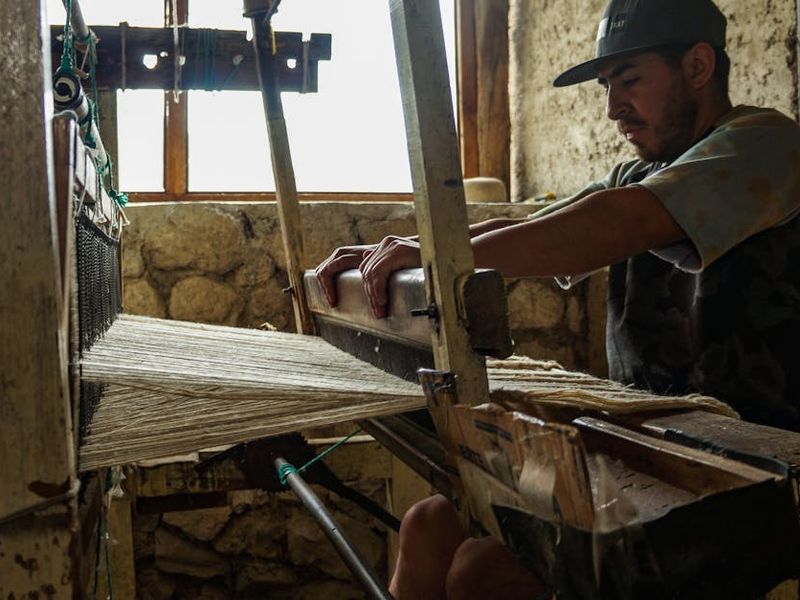
- Craft towns — Nearby Gualaceo and Chordeleg are known for textiles and jewelry. They’re ideal for slow exploration and light shopping.
- Spa and wellness — Book a gentle massage or a thermal soak (check with your dentist before thermal treatments) to relax muscles; opt for low-intensity services in the first days post-op.
- Meditation and reading — Many cafes, such as those around the cathedral or along the Tomebamba River, are cozy places to read, journal, or practice mindfulness.
Language, local etiquette, and practical tips
Spanish is the dominant language, but many dentists and hospitality staff speak at least conversational English. To smooth communication:
- Learn a few phrases — Greetings, thank-you, and simple health-related words go a long way.
- Bring translation apps — Useful for medication labels and aftercare instructions.
- Tipping — Not mandatory but appreciated. Small tips in restaurants and for helpful drivers are common.
- Cash and cards — Ecuador uses the U.S. dollar. ATMs are common; credit cards are widely accepted, but carry some cash for markets and taxis.
Costs and budgeting: what to expect
One of the big draws of dental tourism is cost savings, but prices vary. Typical considerations:
- Compare itemized quotes — Get a detailed price list in writing (consultation, imaging, lab fees, anesthesia, follow-up). This prevents surprises.
- Plan for contingencies — Budget for an extra day or two for healing, unexpected minor complications, or additional work discovered during treatment.
- Travel and lodging costs — Factor in flights (from Quito or Guayaquil), transfers (airport to city center is a short taxi ride), accommodations, meals, and local transportation.
Note: While savings are common, prioritize quality over the cheapest price. The right clinic, equipment, and follow-up plan are worth slightly higher fees.
Aftercare and long-term follow-up
Good aftercare determines success. Before you leave Cuenca:
- Obtain clear, written aftercare instructions in your preferred language.
- Ask about remote follow-up: many clinics provide video check-ins and can liaise with your dentist at home for continuity.
- Get contact information for emergency situations (after-hours number, local hospital recommendations).
- Request a complete record of treatments, including digital images, for your personal records.
Safety and realistic expectations
Every medical procedure carries risk. To keep your trip safe and peaceful:
- Choose clinics with clear infection-control protocols and modern technology.
- Allow time to heal before strenuous activities or long-haul flights; some dentists recommend waiting 48–72 hours for minor procedures and longer for implant surgeries—confirm specifics with your dentist.
- Avoid comparing yourself to others’ timelines. Healing varies by person and procedure.
Sample itinerary for a 7–10 day dental-and-rest trip
Here’s a balanced example that blends appointments, rest, and light exploration.
- Day 1 — Arrive in Cuenca, taxi to accommodation, light walk to Parque Calderón, early night to adjust to altitude.
- Day 2 — Dental consultation, digital X-rays/scans, plan review, quiet afternoon at a cafe or reading.
- Day 3 — Procedure morning (e.g., extraction, crown prep), gentle rest in the afternoon, soft dinner at local eatery.
- Day 4 — Recovery day with light walks along the Tomebamba River. Remote check-in with dentist if offered.
- Day 5 — Cultural visit (Pumapungo or craft markets in Gualaceo) if feeling well; otherwise a spa or movie afternoon.
- Day 6 — Follow-up appointment, adjustments if needed, pack up recovery supplies to bring home.
- Day 7 — Optional gentle day trip to Cajas National Park or rest and prepare for departure.
Final reminders before you go
Plan in advance, choose a clinic for quality and communication, and build recovery time into your schedule. Cuenca’s combination of capable dental services and restorative ambiance makes it one of the best South American destinations for pairing healthcare with downtime. With the right preparation—clear quotes, safe sanitation practices, and a comfortable base—you can leave with both a better smile and a more relaxed outlook.
Remember to confirm specs (pricing, timelines, and travel recommendations) directly with clinics and healthcare providers—then breathe, slow down, and enjoy the healing rhythms of Cuenca.