
Table of Contents
Introduction: Why plan your trip around Cuenca’s celebrations?
Cuenca’s calendar is a blend of colonial pageantry, Indigenous traditions and modern city life. Visiting during a festival amplifies the sensory experience: colorful processions, street food, lively music, artisan markets and a special energy that transforms plazas and neighborhoods. This guide lays out what typically happens month-by-month and gives practical suggestions so you can experience the best of Cuenca without surprises.
Quick orientation: Where the action happens
Most central events occur around Parque Calderón and the Catedral Nueva, where parades, concerts and civic ceremonies gather crowds. For viewpoints and fireworks, head to Mirador de Turi. Cultural venues like Museo Pumapungo and the city’s museums often feature special programs during holidays. For artisan fairs and weekend markets, the nearby towns of Chordeleg and Gualaceo are essential day trips.
January: New Year and cool highland mornings
January in Cuenca is a good time for quieter celebrations. New Year’s Eve sees fireworks above the cathedral and small neighborhood parties. Expect restaurants and bars in the historic center to be busier on Dec 31 and Jan 1. Use this time to acclimate to the altitude and explore the city’s architecture while many locals recover from holiday festivities.
What to do: take an evening walk around Parque Calderón to see the light displays, try helado de paila from a street vendor, and reserve a table well in advance if you want to dine in the center on New Year’s Eve.
February: Carnaval — splash, song and tradition
Carnaval in Ecuador is lively and runs on the dates leading up to Ash Wednesday (dates vary each year). In Cuenca you will find parades, water and foam parties, and festive gatherings in plazas and neighborhoods. Families and young people celebrate with painted faces, music and food stalls.
What to do: join neighborhood celebrations around Parque Calderón or explore more local Carnaval traditions in nearby rural communities where customs can be more intimate. Wear quick-dry clothes, carry a small waterproof bag for electronics and be ready to get wet. Book accommodation early if you want to be in the historic center.
March / April: Semana Santa — solemnity and beautiful processions
Holy Week (Semana Santa) is one of the most atmospheric times in Cuenca. Churches hold special masses and several neighborhoods stage processions that combine liturgy with theatrical elements. The Catedral and smaller parish churches often have candlelit vigils and elaborate displays.
What to do: attend a procession in the evening for the most dramatic experience. Museums such as Museo Pumapungo sometimes offer cultural programming and guided tours that explain religious iconography. Respect church etiquette: dress modestly and ask before photographing participants, especially during quiet parts of a ceremony.
May to July: Cultural programs, markets and national holidays
The middle of the year in Cuenca brings a mix of civic holidays and cultural festivals. May 24 and August 10 are significant national dates (Battle of Pichincha and Ecuador’s independence day, respectively) with official events and civic parades that can be felt in the city. Local theaters, cultural centers and smaller museums often run festivals of music, theater or visual arts during these months.
What to do: check local listings for concerts and visiting exhibitions. Use these slower months to explore neighborhoods like El Vado and San Sebastián, discover artisan workshops, and take day trips to Cajas National Park before the high season.
August to October: Artisan fairs, markets and day-trips
Late summer in Cuenca is a superb time for crafts and rural festivals. Chordeleg, a 45-minute drive from the city, is famous for jewelry and filigree and often hosts craft markets and artisan events. Gualaceo is known for its colorful markets, woven goods and lively local festivals. These towns frequently have fairs that coincide with religious patron saint days or municipal anniversaries.
What to do: combine a visit to the artisan towns with a stop in the countryside for fresh fruit stands and local meals. Bring cash and practice polite bargaining in markets. If you are looking for a unique souvenir, Chordeleg’s silver work and Gualaceo’s textiles are top picks.
November: Independence of Cuenca and Día de los Difuntos
November is the high point for public festivities in Cuenca. Early in the month, Nov 2 (Día de los Difuntos or Day of the Dead) is observed with family gatherings at cemeteries where people bring offerings and traditional foods like colada morada and guaguas de pan. On Nov 3–4 the city celebrates its independence from Spanish rule with parades, music, fireworks, military ceremonies and cultural programming. Local bands and folkloric groups perform in the plazas, and the city’s energy reaches a peak.
What to do: experience the food culture by trying colada morada and guaguas de pan from bakeries and street vendors. Attend official events around Parque Calderón — the atmosphere is festive but crowded. If you prefer smaller events, look for neighborhood processions and artisan fairs that accompany the citywide celebrations. Book hotels and transport well ahead of time for early November — the city fills up fast.
December: Christmas markets, lights and neighborhood traditions
In December Cuenca gleams with Christmas lights and nativity scenes in churches and public squares. Neighborhoods organize nativity contests, concerts and small fairs selling holiday treats and handcrafted gifts. Restaurants and plazas offer seasonal menus blending traditional Ecuadorian dishes with holiday favorites.
What to do: wander the historic center at night to see the lights around the cathedral and plaza. Visit holiday markets for artisan gifts, sample seasonal sweets at a pastry shop, and consider attending a midnight mass if you want to see a traditional religious celebration. Keep in mind that roads can be congested on Christmas Eve and New Year’s Eve.
Food and drink to seek during festivals
Festival seasons are the best time to taste local specialities. Look for colada morada and guaguas de pan in early November, hearty locro de papas during cool evenings, and helado de paila from street vendors throughout the year. For adventurous eaters, cuy (roasted guinea pig) is served in some restaurants and at special events. Street food vendors also sell empanadas, llapingachos and fresh fruit juices that make excellent festival snacks.
Practical tip: Some religious events and evening processions can be long; bring water, a portable snack and comfortable shoes.
Where to watch parades, concerts and fireworks
Best viewing spots are usually around Parque Calderón and along the main avenues radiating from the historic center. Mirador de Turi gives panoramic views of fireworks and the whole city lit up. For a closer, more local perspective, pick a neighborhood plaza where families gather — you’ll see traditions up close and often more spontaneous celebrations.
Safety tip: arrive at your chosen spot early to secure a place, and keep an eye on personal belongings in crowded areas. Licensed taxis are plentiful but expect higher demand during big events; consider booking through radio taxi services.
Planning and logistics: what to book and when
High-demand times include Carnival, Semana Santa and the Independence celebrations in early November. During those windows, hotels, guided tours and transportation sell out quickly. If you want to attend a particular concert, theater performance or museum event, purchase tickets in advance. For day trips to Chordeleg, Gualaceo and Cajas National Park, many small tour operators offer pickup from central hotels — book early for festival weekends.
Money and timing: have some cash on hand for markets and street vendors. Card machines work in many restaurants and shops, but smaller stalls often require cash. Festival days sometimes mean altered public transport routes, so allow extra time to reach events.
Respect and photography etiquette
Cuenca’s festivals mix religious observance with popular celebration. In processions, show respect by keeping your voice low during solemn moments and asking permission before photographing people up close, especially participants in religious rites. Many performers are happy to be photographed once you ask; a smile and a few words in Spanish go a long way.
Language tip: simple Spanish phrases like buenas tardes, por favor, gracias and ¿puedo tomar una foto? will be appreciated. If you don’t speak Spanish, smiling and using polite body language still helps.
Day trips and alternatives when the city is crowded
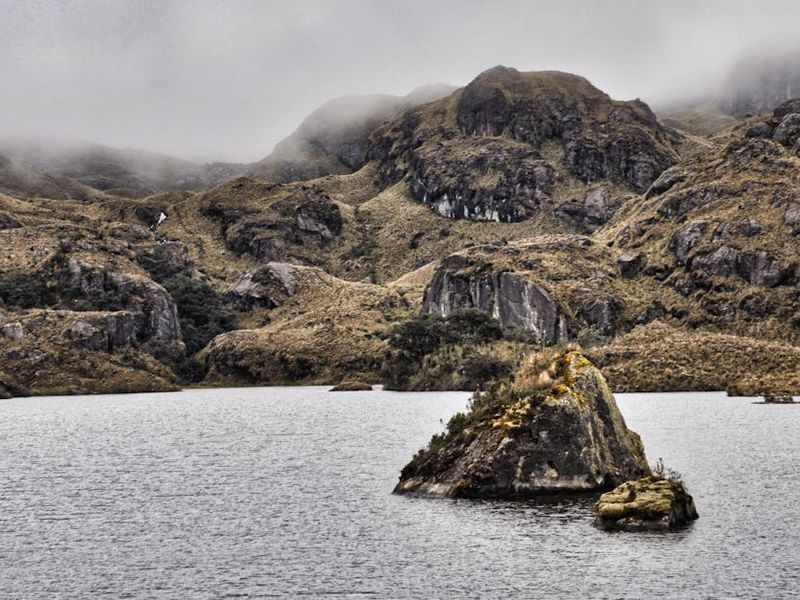
If you find the central areas packed, Cuenca’s surroundings offer excellent alternatives. Hike in Cajas National Park to see glacial lagoons and páramo landscapes, visit the Turi viewpoint for panoramic photo opportunities, or take a relaxed market day to Chordeleg and Gualaceo where fairs and artisan events are common. These trips give you room to breathe while still participating in regional celebrations.
Transport options include hired taxis for a day, shared colectivos to artisan towns, or organized small-group tours. For Cajas, a guided tour helps if you want to learn about local flora and fauna and tackle higher-elevation walks safely.
Final tips for enjoying Cuenca’s festivals
- Plan and book early for major festivals (Carnaval, Semana Santa, early November).
- Dress in layers — Cuenca’s highland climate can be cool at night and sunny by day.
- Carry cash for markets and street vendors; small bills are handy.
- Respect religious moments and ask before photographing ceremonies or people.
- Try local festival foods but choose busy, clean stalls for street food.
- If you prefer quieter experiences, attend neighborhood events or take day trips to the countryside.
Conclusion: Festivals as a way to connect with Cuenca
Whether you aim to dance in a Carnaval parade, attend a candlelit Holy Week procession, taste colada morada on Día de los Difuntos, or watch fireworks over the Catedral, Cuenca’s festival calendar gives you many ways to connect with local culture. With a bit of planning and cultural sensitivity, you can turn a holiday visit into an unforgettable cultural immersion.
Use this month-by-month guide to choose the right time for your interests, and remember that the best experiences often come from small moments: an artisan conversation in Chordeleg, an unexpected street performance, or a warm cup of drink shared on a chilly plaza night.