
Table of Contents
Welcome to Cuenca: A quick orientation
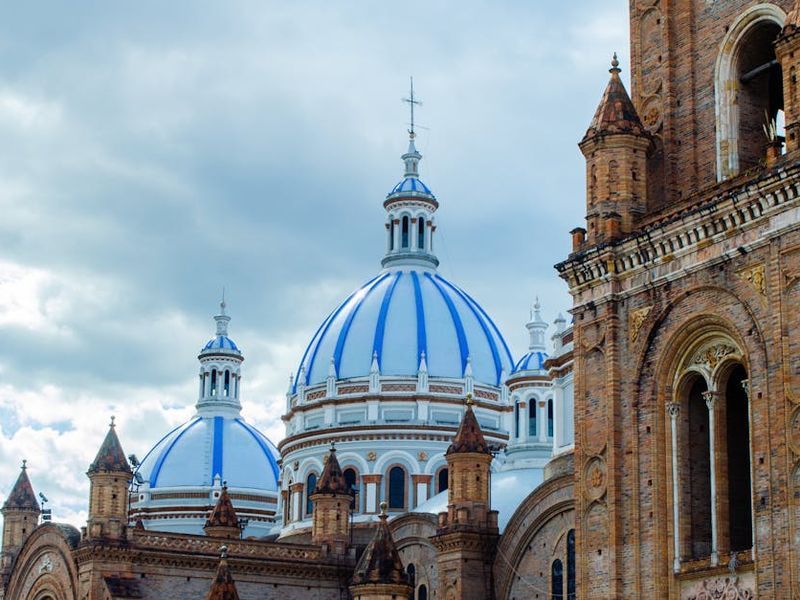
Cuenca, Ecuador’s charming highland city, makes an immediate impression: cobblestone streets, blue-domed cathedrals, and a compact historic center listed as a UNESCO World Heritage Site. It sits at about 2,560 meters (8,400 feet) above sea level, has a springlike climate year‑round, and is a magnet for culture lovers, foodies, and expats. If it’s your first visit, a little preparation will help you enjoy Cuenca’s relaxed pace and avoid common rookie mistakes.
Before you go: paperwork, money, and health
Visas and entry
Most travelers from the US, Canada, EU, Australia and many Latin American countries can enter Ecuador visa‑free for tourist stays—typically up to 90 days. Entry rules can change, so check your government’s travel site or the Ecuadorian consulate for the latest requirements before departure.
Currency and money tips
Ecuador uses the US dollar. ATMs are plentiful in Cuenca’s center, and credit cards are accepted at many restaurants and hotels. That said, small shops, traditional markets, and taxis can be cash-only. Carry smaller bills ($1, $5, $10) for markets and tips. Let your bank know you’ll be traveling to avoid blocked cards.
Health and altitude
Cuenca’s altitude makes some visitors a little winded for the first 24–48 hours. Symptoms are usually mild: shortness of breath, a headache, or fatigue. Take it easy on your first day, hydrate, avoid heavy exercise, and limit alcohol. If you have serious heart or lung conditions, consult your doctor before traveling. Bring any prescription medications and a basic first-aid kit—there are reliable pharmacies and medical centers in the city, but it’s good to be prepared.
Getting there and getting into town
Arriving by air
Cuenca’s airport code is CUE (Mariscal La Mar Airport). It’s a small airport with flights from Quito and Guayaquil and a few regional connections. From the airport to the historic center, official taxis and shuttle services are available at the arrivals area—expect to negotiate or agree on a fare in advance. If you prefer convenience, pre-book a private transfer through your hotel.
Long-distance buses
Cuenca is well connected by bus to Quito, Guayaquil and other Andean towns. Terminal stations are efficient and offer multiple service levels—from basic to ejecutivo (executive) buses. If you plan overnight travel, choose an executive bus for comfort and a slightly higher price.
Where to stay: neighborhoods that fit different travel styles
Cuenca’s compact center makes it easy to explore on foot. Popular areas for visitors include:
- El Centro (Historic Center) – Stay here if you want to be close to Parque Calderón, the cathedral with its iconic blue domes, museums and vibrant cafes. It’s the most tourist-friendly area.
- Barrio San Sebastián & El Barranco – Trendy neighborhoods with art galleries, river promenades and a lively evening scene. Great for walking and photography.
- Turi – Perched on a hill with panoramic views; good if you prefer quieter guesthouses and scenic outlooks.
Book early during holiday periods and festivals; Cuenca attracts many short-term visitors and expats, so boutique hotels and popular Airbnbs can fill up fast.
Getting around Cuenca
Walking and cobblestones
The historic center is eminently walkable, but wear comfortable shoes—the streets are mostly cobblestone and can be slippery when wet. Walking is the best way to soak in the architecture, street life and small plazas.
Buses and taxis
City buses are inexpensive and cover most neighborhoods; fares are very low (often less than a dollar). Taxis are plentiful and affordable for short trips—always use registered taxis, agree on the fare up front if there’s no meter, and avoid shared unofficial rides at night. Many residents use apps or call services in Spanish; if you don’t speak Spanish, ask your hotel to call a taxi for you.
Food, drink and dining tips
Cuenca’s culinary scene blends traditional highland dishes with modern cafes and international options. Must-try local flavors include hornado (slow-roasted pork), llapingachos (potato cakes), mote (hominy) and fresh fruit juices. Street stalls serve inexpensive, tasty meals—look for busy spots where locals eat.
Where to eat and what to expect
Breakfast cafes and artisanal bakeries are scattered around the center. Lunch is often the biggest meal, with menú del día (set lunch menu) offering good value. For dinner, many restaurants accept credit cards, but in markets and small eateries, carry cash. If you’re curious about guinea pig (cuy), it’s served in some traditional restaurants—try it only at reputable restaurants if you want the authentic experience.
Must-see sights and local experiences
Set aside time to wander Cuenca’s plazas, cross the Tomebamba River bridges, and visit the Museo Pumapungo to learn about pre-Columbian cultures and see archaeological remains. Walk the riverside in the late afternoon when the light softens and locals stroll.
Day trips from Cuenca
- Cajas National Park – About an hour from the city, Cajas offers glacial lakes, páramo landscapes and hiking trails. Dress warm and bring waterproof layers; weather changes quickly at high elevation.
- Chordeleg and Gualaceo – Nearby towns famous for silver jewelry and woven goods. Great for shopping for quality handicrafts and seeing local craftsmanship.
- Ingapirca – The best-known Inca ruins in Ecuador, reachable by a longer day trip or an overnight journey. Combine archaeology with scenic Andean drives.
Safety, scams and smart travel habits
Cuenca is considered one of Ecuador’s safer cities, but petty theft and bag snatching can happen, especially in crowded areas. Basic precautions go a long way: keep valuables out of sight, use a money belt for passports and large sums of cash, and avoid poorly lit streets at night. Use your hotel safe when available for passports and extra cash.
Taxi and transit safety
Use official taxi stands at bus terminals and tourist spots. If you take a taxi at night, ask your hotel to call one for you. Be cautious with rides offered by strangers and with buses late at night.
Language and cultural tips
Spanish is the dominant language. While many people working in tourism speak some English, learning a few phrases will make your visit smoother and is appreciated by locals: hola (hello), gracias (thank you), ¿cuánto cuesta? (how much?) and por favor (please). Greet shopkeepers and hosts with a friendly hello before you ask a question—locals value polite interaction.
Etiquette and customs
Social courtesies are important: a firm handshake in formal settings, a single cheek kiss when meeting friends or acquaintances, and using formal ‘usted’ in polite conversation until invited to use ‘tú’. Bargaining is acceptable at artisan markets, but keep negotiations friendly and respectful.
Packing checklist and seasonal clothing
Cuenca’s weather is mild but variable. Pack layers: long-sleeve shirts, a lightweight sweater or fleece, a warm jacket for evenings, and a waterproof shell for unpredictable rain. Comfortable walking shoes with good tread are essential for cobblestones. Don’t forget sunglasses and sunscreen—the sun is strong at elevation.
Connectivity and practical tech tips
Pick up a local SIM card (Claro, Movistar and others) if you want data and local calls; shops and kiosks in the city can help with setup—bring your passport for registration. Wi‑Fi is widely available in hotels and cafes. Ecuador’s time zone is UTC‑5 (no daylight saving).
Sample weekend itinerary for first-timers
Day 1: Arrive, settle into your hotel, stroll Parque Calderón, and enjoy coffee in a nearby café. Watch the sunset over the river bridges.
Day 2: Morning visit to Museo Pumapungo and the central market. Afternoon walk through El Barranco and a visit to a traditional bakery. Evening: try a menú del día or dine in a cozy restaurant near the cathedral.
Day 3: Day trip to Cajas National Park or a half-day trip to Chordeleg for shopping and a glimpse of artisan workshops.
Final tips to make the most of your visit
Respect the pace: Cuenca’s slower energy is part of its charm. Budget time for unplanned wandering; some of the city’s best discoveries happen off the main tourist routes. Carry small bills for tips and markets, and keep copies of your passport and travel documents in a separate bag.
With its layered history, vibrant markets and accessible natural escapes, Cuenca is a welcoming destination for first-time visitors. A few practical preparations—altitude awareness, sensible packing, and a readiness to walk and explore—will help you enjoy the city like a local.
Buen viaje y disfruta Cuenca!