
Table of Contents
Why Cuenca’s Markets Matter
Cuenca’s markets are more than shopping spots — they’re living snapshots of the southern Andes. From piles of heirloom potatoes to stalls stacked with brightly dyed textiles and delicate filigree jewelry, the city’s markets connect you to local farmers, artisan families and generations of food and craft traditions. Whether you want fresh ingredients to cook in a rented kitchen or a genuine Ecuadorian keepsake, this guide highlights the best places to buy both.
How Cuenca’s Market Scene Works
Markets in Cuenca vary from large, bustling central markets that operate daily to smaller neighborhood “ferias” held on specific days of the week and open-air craft fairs around the historic center. Morning is prime time: most farmers arrive early with freshly harvested produce and prices are best before the crowds. Expect cash to be king in smaller stalls, though many artisan vendors accept cards or mobile payment apps.
What to Expect Physically
Cuenca sits at about 2,560 meters (8,400 ft) above sea level. Temperatures are mild year-round, but mornings at market can be chilly; bring a light jacket. Markets are often a mix of permanent indoor stalls and outdoor tables. Bring a reusable bag and small change — even if you plan to use a card, many stallholders prefer exact change.
1. Mercado Central (Central Market)
The Central Market is the heartbeat of food buying in Cuenca. Near the historic center, it’s the place to find an enormous variety of produce brought in from nearby valleys and highland farms. Walk the aisles and you’ll see root vegetables, fresh herbs, sweet Andean fruits and a broad selection of dairy and meat products.
What to buy: a selection of local potatoes (more varieties than you likely knew existed), fresh herbs for cooking, farm eggs, local cheeses, and seasonal fruits like tree tomatoes (tamarillo), granadilla, uchuva (cape gooseberry) and strawberries. You’ll also find prepared food stalls serving classic Cuencano dishes — perfect for a hearty breakfast after market browsing.
Practical tips: arrive early (7–9 AM) to catch the freshest produce and the best prices. Bring small notes and coins; many vendors can’t make large change. If you’re buying meat or dairy, ask how recently it was delivered — stalls usually rotate stock daily.
2. Calle Larga and Plaza-Centered Artisan Stalls
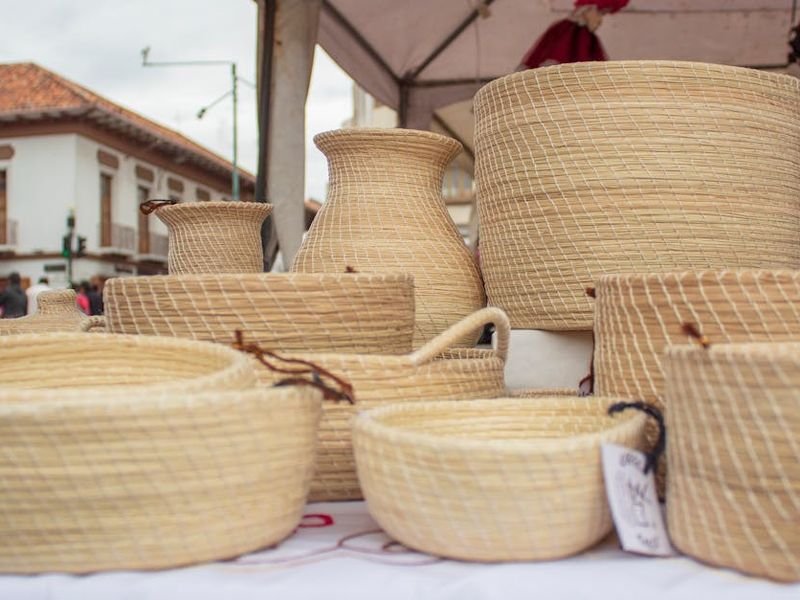
Walking just off the Parque Calderón into Calle Larga and nearby streets, you’ll encounter clusters of artisan stalls and small shops selling textiles, Panama hats, leather goods and tagua (vegetable ivory) jewelry. Unlike large tourist malls, these vendors are often family-run and sell handmade pieces by local artisans.
What to look for: handwoven scarves and ponchos made from alpaca or wool blends, hand-toquilla hats labeled as “sombrero de paja toquilla” (look for tight, even weave), and intricate tagua necklaces carved and dyed in natural tones. Many sellers can point you to workshops or communities where the items are produced.
Practical tips: inspect stitching and look for even dyeing on textiles; for hats, the tighter and finer the weave, the higher the quality. Don’t be shy about asking where an item was made — authentic vendors are proud to tell the story.
3. Neighborhood Farmers’ Fairs (Ferias Libres)
Cuenca’s neighborhoods often host weekly farmers’ fairs — small, lively markets where local growers come to sell direct to residents. These ferias rotate by neighborhood and day of the week, and they’re where you’ll find authentic bargains and seasonal specialties.
Examples of what you’ll encounter: small farms bringing heirloom corn, beans, fresh greens, and seasonal berries; homemade panela (unrefined cane sugar); bottled juices and local preserves; and sometimes local honey and cheeses made by family producers.
Practical tips: find a schedule at your accommodation or ask a local expat group on social media — many ferias are entirely neighborhood-run and not well advertised to tourists. Bring smaller bills and be prepared to load up; portions are generous and prices are lower than central markets.
4. Chordeleg and Gualaceo: Day Trips for Crafts and Specialized Produce
Two nearby towns are must-visits for craft lovers. Chordeleg is famous for filigree silver jewelry — tiny, ornate designs crafted by local silversmiths — and Gualaceo is known for vibrant textiles, pottery and leatherwork. Each town hosts lively market days where artisans from the region gather to sell direct to visitors.
What to buy: in Chordeleg, hunt for sterling silver filigree earrings, brooches and pendants; in Gualaceo, look for hand-dyed shawls, woven belts and earthenware. Both towns also sell agricultural products from the surrounding valleys — think citrus, sugarcane products and regional preserves.
Practical tips: these towns are easily reached by bus or by arranging a guided day trip. If you buy jewelry, look for silver hallmarks and ask about cleaning and care. For textiles, ask about fiber content — alpaca, sheep’s wool, and cotton have different care needs.
5. Specialty Markets and Cooperative Stalls
Beyond the big markets and neighborhood fairs, cooperative stalls and specialty markets have been growing in Cuenca. These are often run by women’s cooperatives, indigenous communities, and small-scale producers who prioritize sustainability and traceability.
What to expect: organic produce, artisanal cheeses, handmade soaps and cosmetic products made with local ingredients (like aloe or native herbs), and ethically sourced crafts where profits return directly to producer communities.
Practical tips: cooperatives often offer stories and documentation about how items are produced — a great place to learn about sustainable sourcing. Prices may be higher than mass-market stalls, but you’re paying for fair wages and transparent practices.
6. What’s In Season: A Quick Produce Calendar
Understanding seasonality will help you choose the best markets and know when to visit for particular items. Because Cuenca sits in a montane environment, many crops are available year-round, but some peak seasons are worth noting.
- Highland tubers and corn: harvested year-round with regional peaks in the cooler months.
- Tree tomatoes (tamarillo) and granadilla: common throughout the year, best in the warmer months.
- Uchuva and berries: often at their best in late spring and early summer.
- Fresh cheeses and dairy: available daily, fresher early in the morning.
- Andean specialties (mote, chocho, and dried corn varieties): available year-round at specialty stalls.
Practical Shopping Tips for Markets in Cuenca
Make your market trips productive and enjoyable by following a few simple rules of thumb:
- Bring small bills and coins. Many vendors cannot break large notes.
- Shop early for the best selection — many stalls start closing mid-afternoon.
- Be ready to taste. Vendors often allow sampling of fruits or cheeses; it’s a friendly way to choose quality items.
- Carry a reusable bag and a cooler pack if you plan to buy cheese or meat to keep items fresh until you return home.
- Haggle politely for crafts — a small negotiation is normal, but respect handmade work and don’t push too hard.
- Learn a few Spanish phrases to ease communication: “¿Cuánto cuesta?” (How much is it?), “¿Me lo deja en…?” (Can you let me have it for…?), and “¿Acepta tarjeta?” (Do you accept cards?).
Safety, Sanitation and Local Etiquette
Markets are generally safe and vibrant places in Cuenca, but use common-sense precautions. Keep your valuables secure and keep a close eye on bags in crowded aisles. If you’re tasting street food, choose stalls that are busy with locals — high turnover usually means fresher food. When taking photos, ask vendors for permission; many will appreciate the courtesy and may offer to pose with their goods.
Sample Market Day Itinerary in Cuenca
Want to pack a market experience into one full day? Try this local-tested itinerary that balances produce, crafts and a bit of sightseeing:
- 7:00 AM – Begin at the Central Market for coffee and fresh pastries, then move through the produce stalls for avocados, cheese and herbs.
- 9:30 AM – Walk toward Parque Calderón to browse artisan stalls along Calle Larga and the surrounding streets; pick up a hat or a piece of tagua jewelry.
- 11:30 AM – Stop for a market lunch — try a local specialty such as llapingachos or hornado — and sample a fresh juice.
- 1:00 PM – If you’re staying longer, catch an afternoon bus to nearby Chordeleg or Gualaceo for specialized crafts and a quieter market vibe.
How to Bring Market Finds Home
If you plan to ship or bring items home, pack carefully. Textiles can be rolled and vacuum-sealed to save space; fragile ceramics should be wrapped in clothing or bubble wrap. For international travel, check customs rules for agricultural products before buying produce to transport. Jewelry, hats and leather goods travel well but ask vendors for receipts if you buy high-value silver to prove purchase authenticity at customs.
Final Notes: Supporting Sustainable, Local Market Culture
Buying at Cuenca’s markets is a direct way to support regional farmers and artisans. Look for signs of sustainable practices — cooperative labels, organic certifications, and vendors who can tell you about the origin of their goods. A little extra spent at the right stall often has an outsized positive impact on small producer households and preserves craft traditions for future generations.
Markets in Cuenca offer something for every curiosity: fresh, flavorful ingredients that reflect the biodiversity of the Andes, and handcrafted objects that carry stories and techniques passed down through families. With a few practical tips and a sense of curiosity, your market visits in Cuenca can become some of the city’s most memorable experiences.
Quick Checklist Before You Go
- Cash (small bills), reusable bag, light jacket.
- Insulated bag if buying cheeses/meats.
- List of items to buy plus room in your luggage for souvenirs.
- Local phrase cheat-sheet and openness to sample new flavors.
Ready to explore? Start with the Central Market and then let the city lead you to neighborhood fairs and artisanal pockets — Cuenca’s markets are best discovered by wandering, tasting and asking questions.