
Table of Contents
Why Cuenca Is a Top Choice for Dental Travelers
Cuenca, Ecuador’s charming colonial city perched high in the Andes, has quietly become a favorite destination for people seeking quality dental care at lower prices. The city’s historic center is a UNESCO World Heritage site, the climate is mild year-round, and many modern dental clinics cater to international patients with English-speaking staff and professional credentials. For travelers who want to pair necessary dental work—crowns, implants, veneers, or routine care—with a slower pace and cultural immersion, Cuenca offers a compelling balance.
What to Expect: Quality, Cost, and Convenience
Dental procedures in Cuenca are typically priced significantly lower than in the US, Canada, or Western Europe. As rough ballpark figures, crowns often range from a few hundred dollars, implants can start under one thousand per implant depending on the system used, and routine cleanings or fillings are inexpensive. Exact prices vary widely, so always request itemized quotes.
Clinics in Cuenca generally use up-to-date equipment and materials, but standards can vary. Many dentists trained in Ecuador or abroad; bilingual staff and digital imaging are common. The key advantage is being able to get multiple procedures done during one trip while enjoying excellent value for money.
How to Choose the Right Clinic
Choosing a clinic is the single most important decision for a successful dental vacation. Use the following checklist when evaluating options:
- Verify credentials: Ask for the dentist’s degree and membership in local professional organizations (for example, the Colegio de Odontólogos provincial chapter).
- Ask for before-and-after photos of previous patients and references—especially those from international clients.
- Confirm the materials and implant brands used and whether a laboratory is in-house or local.
- Discuss anesthesia and sedation options, and who will be present during surgery.
- Get a clear, itemized written estimate including possible additional costs.
- Confirm follow-up care plans, emergency procedures, and how the clinic handles complications.
Many clinics offer virtual consultations—take advantage of these to gauge communication, response time, and language ability before you commit.
Timing Your Trip: How Many Days Will You Need?
The length of your trip depends on the scope of work. Here are common timelines:
- Simple procedures (cleaning, fillings): 2–4 days, including travel buffer.
- Crowns or veneers: Typically 5–10 days. Many labs require a few days for fabrication.
- Implants: Planned over multiple visits—initial placement, healing period (3–6 months), then abutment and crown. Some clinics offer “all-on-X” or immediate-load options that shorten the wait, but expect follow-up visits.
Plan extra days beyond the minimum for healing and tourism. Altitude, sedation, or unexpected delays (weather at Mariscal Lamar Airport, code CUE, occasionally causes cancellations) make padding your itinerary a wise idea.
Preparing Before You Travel
Good preparation reduces stress and speeds recovery. Follow these steps before departure:
- Gather dental records: X-rays, treatment history, and a list of current medications. Ask your home dentist for copies to send to your Cuenca provider.
- Get a pre-trip medical check: If you have chronic conditions, confirm you’re fit for dental surgery and sedation.
- Arrange travel insurance that covers dental complications and medical evacuation if necessary.
- Prepare a recovery kit: soft foods, extra toothbrushes, oral rinse, lip balm, and a small cold pack for swelling.
- Confirm transportation from the airport to your accommodation, especially if arriving late. Mariscal Lamar is convenient but small and can be affected by fog; it’s only a short drive to the historic center.
Practical Tips for a Comfortable Stay in Cuenca
Make your recovery comfortable by choosing the right neighborhood and amenities. Staying in or near the historic center (Centro Histórico) or by the Tomebamba River keeps you close to restaurants, pharmacies, and lightweight sightseeing. Many visitors prefer a hotel or short-term rental with a kitchen so they can prepare soft foods after procedures.
Cuenca sits at about 2,500–2,600 meters (around 8,200 feet). Altitude may cause mild headaches or shortness of breath for a day or two, especially if you’ve had sedation. Drink plenty of water, avoid heavy exertion for 24–48 hours, and pace yourself on walking tours.
Taxis are inexpensive and plentiful; ride-share apps may be available. Walking is pleasant and practical in the center—pack comfortable shoes and a light rain jacket, since showers are common during the rainy months (rainy season tends to cluster in the fall and winter months).
Sample 7-Day Dental & Relaxation Itinerary
Below is an example plan for a one-week visit combining dental work and sightseeing. Adjust timings according to your treatment plan and recovery needs.
- Day 1: Arrive in Cuenca (CUE). Check into your accommodation, rest, and hydrate to adjust to altitude.
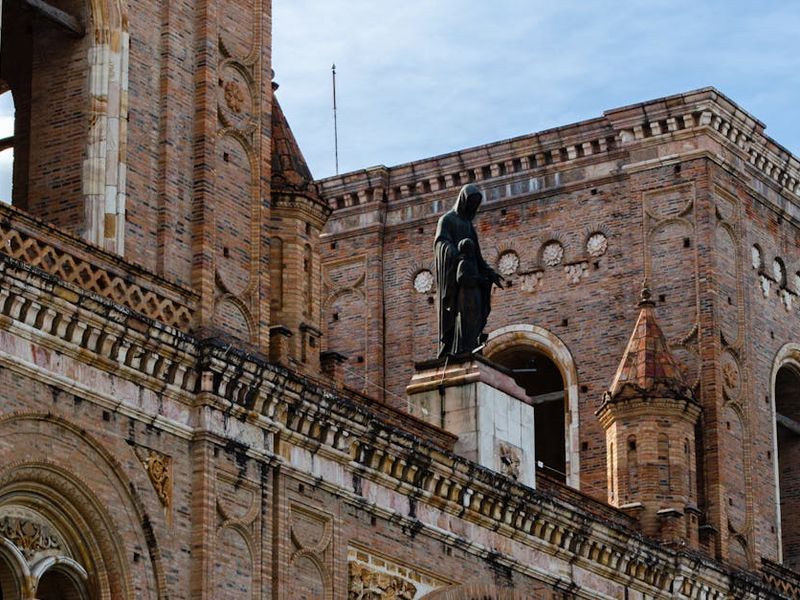
- Day 2: Initial consultation and X-rays at your clinic. Light walking in the historic center—visit Parque Calderón and the New Cathedral.
- Day 3: Procedure day (e.g., crown prep or implant placement). Rest in the afternoon at your lodging.
- Day 4: Light activity—Tomebamba riverwalk, artisan markets in San Sebastián, or a gentle museum visit.
- Day 5: Return to the clinic for follow-up or impressions. Afternoon café time and early dinner.
- Day 6: Free day for a short excursion—visit the nearby artisan towns of Chordeleg or Gualaceo, or a guided day trip to Cajas National Park for easy trails.
- Day 7: Final check and buffer day. Prepare for travel home; confirm any needed home-care instructions.
If you’re receiving implants that require months to integrate, plan for staged trips or discuss long-term maintenance with your local dentist back home.
Recovery and Aftercare: What You Should Know
Follow your Cuenca dentist’s aftercare instructions precisely. Typical guidance includes keeping the head elevated for 24–48 hours, avoiding hard or crunchy foods for a week or more, and using warm saline rinses (as directed) to promote healing. If you received sedation, do not drive or sign legal documents for 24 hours.
Medications—pain relievers and antibiotics—are often prescribed. Carry prescriptions and a translated copy of aftercare instructions in case you need a refill from a local pharmacy. If complications arise after you return home, contact both your Cuenca clinic and your local dentist for coordinated care.
Money, Safety, and Communication Tips
Ecuador uses the US dollar, which simplifies budgeting. Many clinics accept major credit cards, but it’s a good idea to carry some cash for taxis, tips, and small purchases. ATMs are widely available in central Cuenca, and banks are open during normal business hours.
Cuenca is considered safe for travelers, including solo visitors, but normal precautions apply: keep valuables secure, avoid poorly lit streets at night, and use registered taxis. Pharmacies are plentiful and can fill many prescriptions; major medications may require a doctor’s prescription issued in Ecuador.
If you don’t speak Spanish, a translation app or a bilingual friend can be invaluable. Many clinics and hospitality staff speak English, but getting comfortable with a few key Spanish phrases helps with appointments and pharmacy visits.
Make the Most of Cuenca While You Rest
One of the best parts of a dental vacation in Cuenca is that recovery days can feel like a restful cultural holiday. Take meandering walks along the Tomebamba River, sip coffee in quiet plazas, and sample local cuisine. For gentle excursions, visit Cajas National Park for easy trails and breathtaking páramo landscapes or wander artisan markets in Chordeleg (silver filigree) and Gualaceo (textiles).
If you want quieter activities close to your lodging, explore Cuenca’s museums—such as the Museum of Modern Art or local heritage museums—attend a low-key cooking class focused on Ecuadorian dishes, or simply relax in a café with a book and watch daily life unfold in the plazas.
Questions to Ask Before Booking
Before you commit, ask prospective clinics these essential questions:
- Can you provide a complete, itemized treatment plan with time estimates?
- What brands and materials do you use for implants, crowns, or veneers?
- Do you provide written aftercare instructions in my language?
- How do you handle complications or emergencies after I return home?
- Can you connect me with previous international patients for references?
Final Checklist for Your Dental Holiday
Use this quick checklist to finalize your plans:
- Obtain and send dental records to your chosen Cuenca clinic.
- Purchase travel insurance that covers medical/dental emergencies.
- Book accommodation near the historic center or your clinic.
- Pack a recovery kit and prescriptions, and bring a copy of your ID and medical history.
- Plan rest days and at least one buffer day for travel delays.
- Confirm post-procedure communication and follow-up dates.
Closing Thoughts: Balance Care with Calm
A dental vacation in Cuenca can be an opportunity to get high-quality treatment while experiencing the restorative rhythm of a beautiful Andean city. With careful planning—choosing a reputable clinic, timing procedures thoughtfully, and building in recovery and leisure—you can return home with improved dental health and fond memories of a peaceful escape. Take your time researching, plan contingencies, and let Cuenca’s plazas, river walks, and artisan culture soothe you between appointments.
Whether you’re replacing a crown, getting implants, or simply combining routine care with a getaway, Cuenca offers a unique environment to heal, recharge, and come away with a healthier smile.