
Table of Contents
Why regular dental check-ups matter — beyond a bright smile
Regular dental check-ups are more than cosmetic upkeep. They are a key part of overall health — catching cavities early, preventing gum disease, spotting signs of systemic illness, and saving money over time. In Cuenca, where many expats and retirees live, reliable dental care is readily available, but knowing when and how to access it makes all the difference.
How often should you get a dental check-up?
The traditional answer is every six months — a schedule that works well for many people. However, the ideal interval depends on your oral health risk:
- Low risk: Generally healthy mouths with no recent problems — every 6–12 months.
- Moderate risk: History of cavities, light gum inflammation, or chronic conditions — every 4–6 months.
- High risk: Active gum disease, frequent cavities, dry mouth, or complex restorative work — every 3–4 months.
During your first visit in Cuenca, your dentist should evaluate your risk and recommend a personalized check-up schedule.
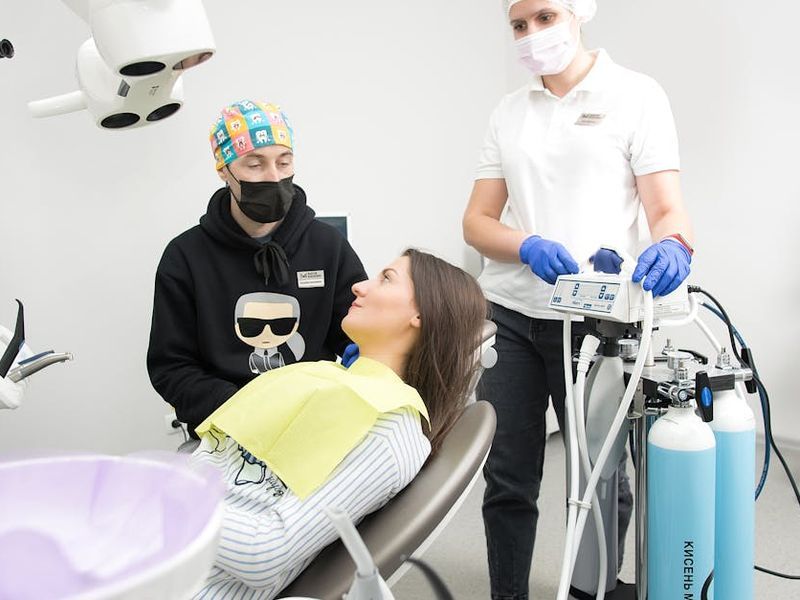
What happens during a typical check-up in Cuenca clinics?
Routine appointments usually follow a structured flow, whether you’re at a private clinic near Parque Calderón or a university dental clinic offering reduced rates:
- Medical and dental history update (medications, allergies, recent illnesses)
- Oral exam: teeth, gums, tongue, bite, and soft tissues
- Periodontal assessment: measuring gum pockets if indicated
- Professional cleaning (scaling and polishing) to remove plaque and tartar
- X-rays if necessary to check for hidden decay, bone loss, or impacted teeth
- Treatment planning and cost estimate for any needed work
Ask for an itemized treatment plan and, if you are an expat, an English summary if your Spanish is limited.
Finding the right dentist in Cuenca: practical tips
Cuenca has a mix of private clinics, community health centers, and university dental programs. Here’s how to narrow your choices:
- Start with recommendations from expat forums, local Facebook groups, or neighbors. Many expats share recent experiences and price ranges.
- Look for clinics near central neighborhoods like El Centro or near Parque Calderón for convenience and public-transport access.
- Check languages spoken. Many dentists in Cuenca work with English-speaking staff; ask in advance if you prefer appointments in English.
- Verify credentials — ask that the dentist is a licensed odontólogo and request to see their professional registration if you want reassurance.
- Consider a university dental clinic (students supervised by professors) for lower-cost care on routine and some restorative treatments.
Costs and payment: what to expect in Cuenca
Dental care in Ecuador tends to be more affordable than in the U.S. or Canada, but prices vary widely by clinic, materials used, and complexity of the procedure. Typical ranges (estimates) you might see:
- Routine exam: low-cost or free at public clinics; private clinics often charge a modest fee
- Professional cleaning: generally affordable — a fraction of North American prices
- Fillings: cost depends on material and tooth location
- Crowns, root canals, and implants: significant investment; get multiple estimates and warranties
Tip: Always ask for a written estimate, list of materials (e.g., type of crown), and any warranty terms. If you have Ecuadorian social security (IESS) coverage, check which services are included and whether you need prior authorization.
Emergency dental care and after-hours options
Tooth pain or trauma can happen at any time. In Cuenca, many private clinics offer extended hours, and there are emergency dental providers listed in local directories. Prepare in advance:
- Keep a short list of 24-hour clinics and English-speaking dentists saved on your phone.
- Know how to access IESS emergency services if you’re an affiliate — policies vary by case and facility.
- For sudden severe pain, swelling, or bleeding, seek immediate care; an untreated dental infection can become systemic.
Preventive care you can do at home — everyday habits that matter
Seeing the dentist regularly is important, but much of the prevention happens at home. These practical actions reduce the need for invasive work:
- Brush twice a day with fluoride toothpaste for two minutes each time.
- Use interdental cleaners or floss daily; many gum problems start between teeth.
- Limit sugary snacks and acidic drinks; if you do consume them, rinse with water afterward.
- Stay hydrated — dry mouth increases decay risk. Discuss saliva-friendly solutions if you take medications that reduce saliva.
- Quit smoking — tobacco greatly increases gum disease and oral cancer risk.
Special considerations for expats, retirees, and families in Cuenca
Cuenca’s international community has particular dental needs to consider:
Expats and retirees
If you’re living in Cuenca long-term, build a relationship with a reliable dentist. For major work, consider staged treatment plans so you can return to your home country if needed. Keep all dental records and digital X-rays; many dentists will provide them upon request so you can show them to providers elsewhere.
Children and families
Introduce kids early to the dentist to establish comfort and preventive routines. Ask about fluoride varnish and sealants, common preventive steps for children.
Pregnant women and older adults
Dental care is important during pregnancy — untreated gum disease is linked to complications. Older adults may need more frequent cleanings and attention to root cavities or denture care. Share your medical history with the dentist; conditions like diabetes can influence oral health and treatment decisions.
Major dental work in Cuenca: crowns, implants, and prosthetics
Many people choose Cuenca for significant dental procedures because of quality care at lower cost. If you’re considering crowns, implants, or dentures, keep these guidelines in mind:
- Obtain a detailed treatment plan: phases, timeline, materials, and costs.
- Ask about the brand and composition of restorative materials (e.g., zirconia vs. porcelain-fused-to-metal crowns).
- Request follow-up care instructions and a written warranty if offered. Some clinics provide limited warranties for specific procedures.
- Get a second opinion for extensive or costly treatment; most dentists welcome this and will explain alternatives.
Questions to ask at your first Cuenca dental visit
Going into an appointment with a short list of questions ensures clear communication and confidence in your care. Consider asking:
- What is my current oral health status and risk level?
- How often should I come back for check-ups?
- Do you have experience treating expats or English-speaking patients?
- Can you show me sterilization procedures and explain infection control?
- If I need restorative work, what are the options, timelines, and costs?
- Do you take IESS or private dental insurance, and what documentation is required?
Safety, sterilization, and clinic standards
Inquire about sterilization and cross-infection protocols. Good clinics use autoclaves for instruments, single-use disposables where appropriate, and visible cleaning procedures. If something seems unsanitary, trust your instincts and consider a different provider.
Practical checklist for your dental visit in Cuenca
Before you head to the clinic, bring this short checklist to make the visit smooth:
- Photo ID and, if applicable, IESS card or private insurance details
- List of current medications and allergies
- Previous dental records or X-rays, if available
- Payment method (ask if they accept cards or prefer cash)
- Phone number for follow-up and emergency contacts
Final thoughts: investing in regular check-ups for long-term health
Regular dental check-ups in Cuenca are an investment—not just in your smile, but in your overall health and financial well-being. Preventive visits help identify small problems before they become expensive emergencies, reduce the risk of systemic complications, and keep you comfortable and confident. Whether you’re a long-term resident, a seasonal visitor, or settling into retirement, find a trusted dentist, follow a personalized check-up schedule, and maintain daily preventive habits. With the variety of clinics and experienced professionals in Cuenca, accessible and affordable dental care is within reach — take the first step and book your next check-up today.
Note: The information in this article is for general guidance. Costs, services, and insurance coverage can change; always confirm current details directly with your chosen dental provider.