
Table of Contents
Why neighborhood choice matters in Cuenca
Choosing the right neighborhood in Cuenca shapes daily life more than you might expect. The city’s compact layout, colonial heart, rivers, and surrounding hills create distinct microclimates, noise levels, and access to services. For expats—whether retired, working remotely, or relocating with family—location affects everything from your morning walk and internet quality to how often you’ll take a taxi to the doctor.
Cuenca sits at about 2,560 meters (8,400 feet) above sea level, with mild temperatures year-round and weather that can change quickly. Many expats prioritize walkability, proximity to healthcare, and a mix of modern comforts with colonial charm. Below are the neighborhoods most popular with expats, with candid notes on pros, cons, and practical tips for renting or buying.
How to choose the right neighborhood
Before diving into specific areas, consider these factors:
- Daily needs: supermarkets, pharmacies, banks, and markets.
- Health access: clinics and hospitals are concentrated downtown and in major corridors.
- Noise and nightlife: historic center is lively; residential areas are quieter.
- Public transport and taxis: cheap and plentiful but service differs by neighborhood.
- Housing type: colonial apartments, modern condos with elevators, or single-family homes with gardens.
Write down your top three priorities—walkability, quiet, or space, for example—and use them to rank neighborhoods below.
1. Centro Histórico (Parque Calderón and surroundings)
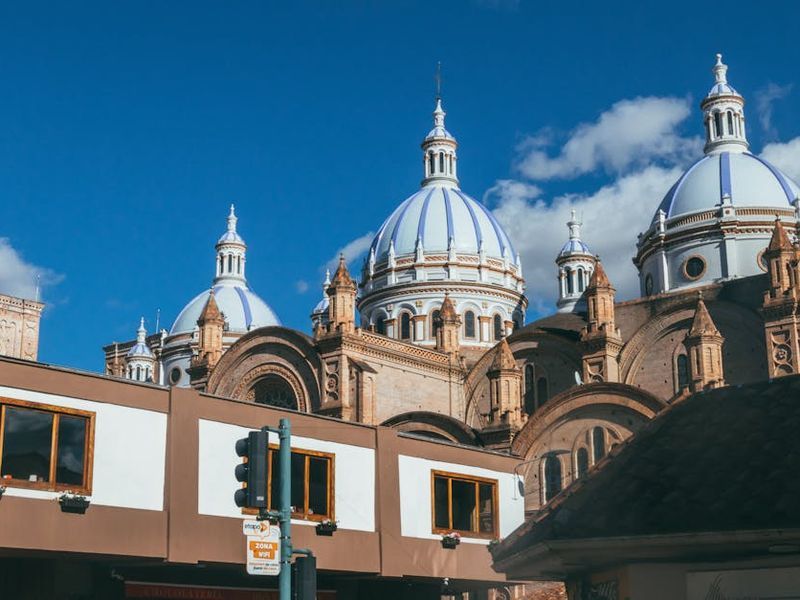
The Historic Center is where most new arrivals fall in love with Cuenca. Cobbled streets, sandstone facades, the towering Catedral Nueva at Parque Calderón, patios overflowing with flowers—this area is classic Ecuadorian charm.
Why expats like it
Everything is within walking distance: markets, cafes, restaurants, theaters, and many private medical practices. Cultural life is constant—street crafts, festivals, and weekend artisans are all nearby.
Considerations
Noise and foot traffic are the trade-offs. If you want to hear church bells and enjoy active street life, this is ideal. Apartments here are often in older buildings with high ceilings and original woodwork; elevators are not guaranteed. If stairs or modern plumbing are a concern, look for renovated units.
2. San Sebastián (artsy, colorful, and close to the center)
San Sebastián sits just south of the Centro Histórico and is known for narrow streets, artisan shops, and a strong local identity. It’s popular with expats who want proximity to downtown but a quieter, neighborhood feel.
Why expats like it
It offers a more residential vibe with small boutiques, community markets, and local cafés. Renovated colonial homes are common, and there’s a youthful, creative energy—ideal if you enjoy arts, small galleries, or community events.
Considerations
Parking is tight, and streets can be steep. Some parts are undergoing gentrification, so options range from very affordable to pricier renovated units.
3. El Vergel and the Tomebamba riverfront
El Vergel stretches along the Tomebamba River and offers tree-lined promenades and a pleasant blend of modern apartments and older houses. It’s considered family-friendly and slightly less touristy than the historic center.
Why expats like it
Riverside walks are a major perk—perfect for morning jogs or walks with a dog. You’ll find newer condos, some with amenities like gyms and secure parking. Proximity to central services without the daily bustle is a major draw.
Considerations
Because it’s popular, particularly attractive properties can command higher rents. However, many parts of El Vergel remain well-priced compared to similar neighborhoods in larger cities.
4. Totoracocha and Pumapungo area (residential and practical)
Totoracocha lies south of the historic center near Pumapungo Museum and archaeological park. This area is residential with a mix of apartment buildings and family houses.
Why expats like it
It’s calm, with access to cultural attractions and municipal parks. Public transport links are good, and the neighborhood has a solid selection of supermarkets and local businesses.
Considerations
If you want to be plugged into the heartbeat of the city without living in a tourist zone, Totoracocha is smart. Property styles vary widely, so you’ll find options for different budgets.
5. Miraflores and residential north (parks, schools, and conveniences)
Miraflores is a larger district north of the center. It contains multiple micro-neighborhoods and is popular with families and longer-term residents.
Why expats like it
It has larger parks, international and bilingual schools, shopping areas, and a more suburban feel. Homes tend to be more modern, and you’ll find gated communities and apartment complexes with elevators and amenities.
Considerations
Commuting to the Centro Histórico is straightforward but may take longer during rush hours. Miraflores offers more space and quieter streets—worth it if you prioritize gardens, parking, and green areas.
6. Yanuncay corridor (modern conveniences and easy transit)
Running along the Yanuncay River, this corridor includes several newer residential developments and commercial strips. Expect contemporary condos, shopping, and practical services.
Why expats like it
It’s modern, often with better-built apartments and reliable utilities. Internet speeds are typically good where newer construction has fiber optic infrastructure. There are also supermarkets and pharmacies nearby.
Considerations
Some parts are further from the historic center, so consider how often you’ll go to downtown. If you work remotely, the modern comforts may outweigh the extra travel time.
7. Puertas del Sol and gated northern developments
Gated communities north of the city, sometimes called Puertas del Sol-style developments, attract expats looking for security, convenience, and modern housing with amenities like pools and clubhouses.
Why expats like it
Security, private parking, and community facilities are common. Homes are often designed for comfort and include things like backup water tanks and better insulation—nice in a city where older construction can lack these features.
Considerations
Gated living means HOA fees and possibly being further from the cultural action. If you value privacy and a quieter lifestyle, however, this setup can be ideal.
8. Turi (views and a quieter pace)
Turi is outside the central ring on a hill with a famous mirador (viewpoint) over the city. It’s distinct from the urban neighborhoods and offers more space, cooler breezes, and panoramic views.
Why expats like it
Great for people who want a quieter, scenic setting within a short drive of the city. Many homes have gardens and larger plots. Turi’s lookout is a favorite spot for weekend outings and evening sunsets.
Considerations
Expect longer commutes and roads that can be steep. If relying on public transit, check schedules—taxis are convenient but add to living costs.
Budget tips and typical housing types
Rental markets in Cuenca offer wide variety: studio and one-bedroom colonial apartments in the Centro go quickly; modern one- and two-bedroom condos are common in El Vergel, Miraflores, and Yanuncay; single-family homes are more frequent in gated communities or hilltop areas like Turi.
When budgeting, include utility costs, HOA fees (for condos and gated communities), and the occasional need for bottled water or backup water storage in older properties. Security deposits are usually one month’s rent, and many landlords prefer contracts in U.S. dollars (the currency in Ecuador), so have funds ready.
Practical renting and buying advice
Start with short-term housing to scout neighborhoods—Airbnb or a furnished monthly rental lets you test streets, noise, and commute times. Use local real estate agents for listings, but be prepared to negotiate and ask for clear, written terms in Spanish and (if possible) a translated summary.
For long-term stays, investigate whether a property has up-to-date electrical systems, reliable hot water, and secure internet. If buying, work with a lawyer to verify titles and zoning. Expats can purchase property in Ecuador, but the process benefits from local legal counsel familiar with municipal regulations.
Transportation and getting around
Cuenca is walkable in many neighborhoods, and taxis are inexpensive and plentiful. There is a city bus system with routes connecting suburbs to the center—useful for daily commutes. Many expats bicycle or walk along the Tomebamba River promenades.
If you plan to own a car, pay attention to parking availability (limited in the historic center) and narrow roads. For occasional rural escapes, base your choice on proximity to highways leading to the Cajas National Park or the coast.
Healthcare and services
Private clinics and dental offices are concentrated near the center and in key corridors; major hospitals are in the city as well. If healthcare access is a top priority, living closer to the Centro Histórico or major avenues is sensible.
Pharmacies are ubiquitous; many medications available over the counter differ from home, so bring prescriptions in case you need them. If you require specialist care, ask other expats or your international insurance provider for local recommendations.
Safety and community life
Cuenca is broadly considered safe compared to many large Latin American cities, but like any city, petty theft can happen—especially in crowded tourist areas. Standard precautions—locks, not flashing expensive gear, and trusting local advice—go a long way.
Community connections make settling in easier. Look for expat meetups, language exchange groups, volunteer opportunities, and neighborhood associations to build a social circle. Many neighborhoods have active Facebook groups where residents post about services, security alerts, and events.
Final checklist: choosing your neighborhood
- Visit at different times of day to gauge noise and traffic.
- Check internet speed in the unit if you work remotely.
- Ask about water pressure, hot water reliability, and backup systems.
- Verify proximity to groceries, pharmacies, and healthcare.
- Walk or take a taxi to the places you’ll use weekly to estimate travel times.
Ultimately, the best neighborhood depends on your lifestyle. If you crave culture and walkability, the Historic Center or San Sebastián will charm you. If you prefer modern conveniences and quieter streets, explore El Vergel, Miraflores, or Yanuncay. For security and community amenities, gated developments north of the city offer a different pace—and for views and space, Turi is hard to beat.
Next steps
Start with a short-term rental to try a couple of neighborhoods rather than betting on a single visit. Talk with local real estate agents, join neighborhood Facebook groups, and walk the streets during mornings, afternoons, and evenings to feel the rhythm of daily life. With a little research and exploration, you’ll find the Cuenca neighborhood that feels like home.
Welcome to one of Ecuador’s most beloved cities—where colonial streets meet modern comforts, and almost every neighborhood has its own personality waiting to be discovered.